

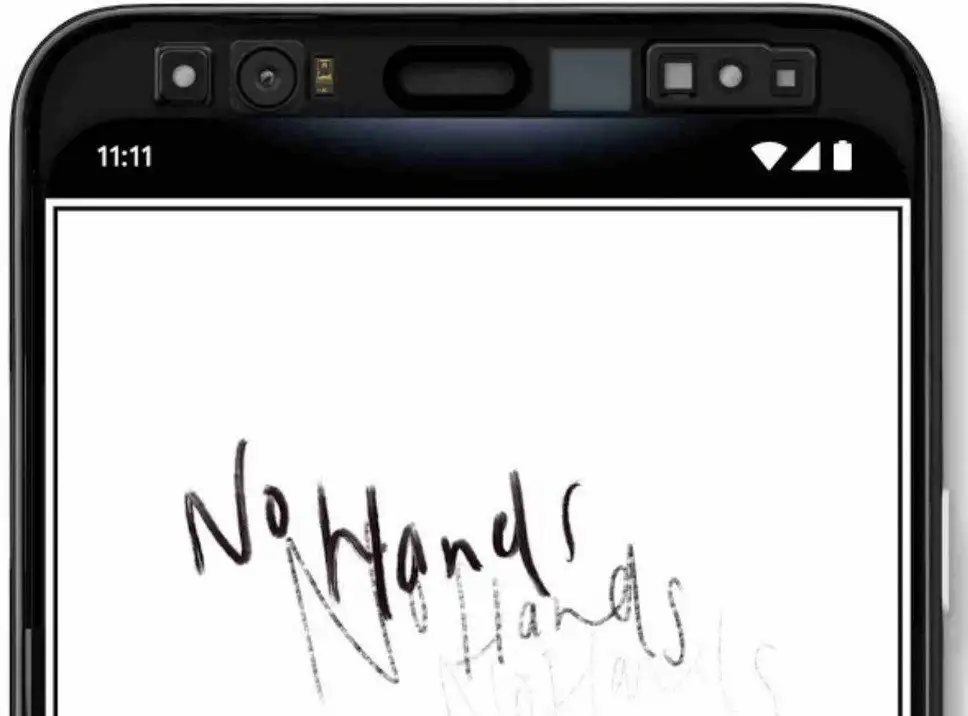
Google is currently testing a new way for users to unlock their devices using their faces. This internal work, known as Project Toscana, aims to fix a long-standing issue with how Google phones recognize users in the dark or in difficult lighting. While current Pixel phones use a standard camera and computer smarts to identify faces, this new method likely uses specialized light sensors similar to those found on the Apple iPhone. Recent trials in California suggest that Google wants this technology to be as fast as its competitors while keeping the phone screen looking clean and simple.
The Path From Sensors To Software
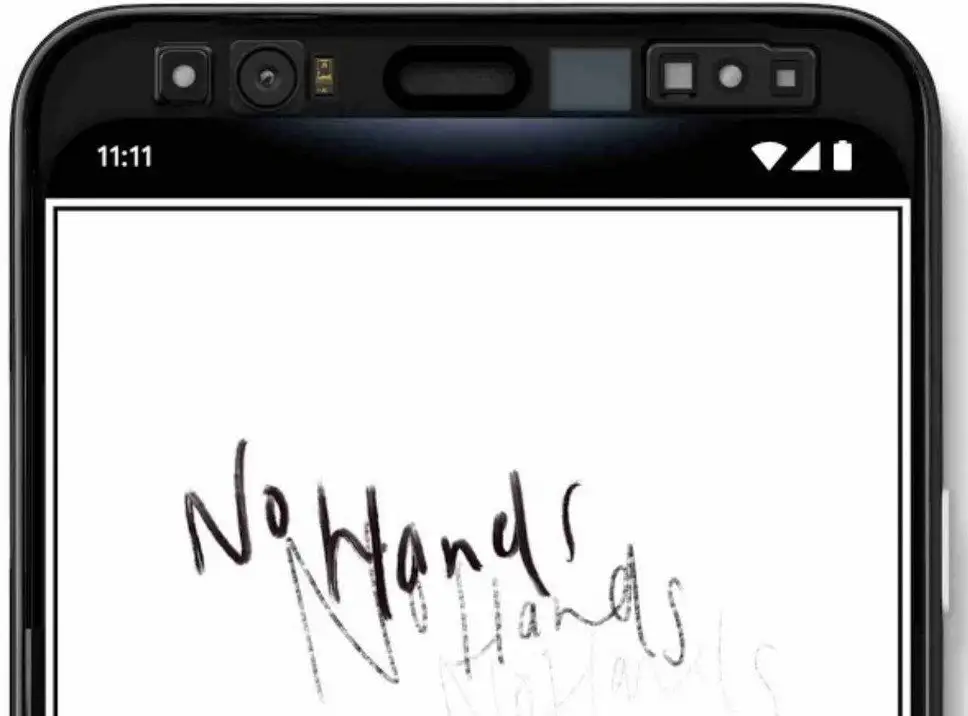
Google has changed its approach to face scanning several times over the last few years. In 2019, the Pixel 4 used a large top bar filled with sensors to map faces in 3D. While secure, this design was bulky. Later, Google moved to a simpler system using only the front camera.
Read More: Chrome mimeHandler API lets extensions handle file types
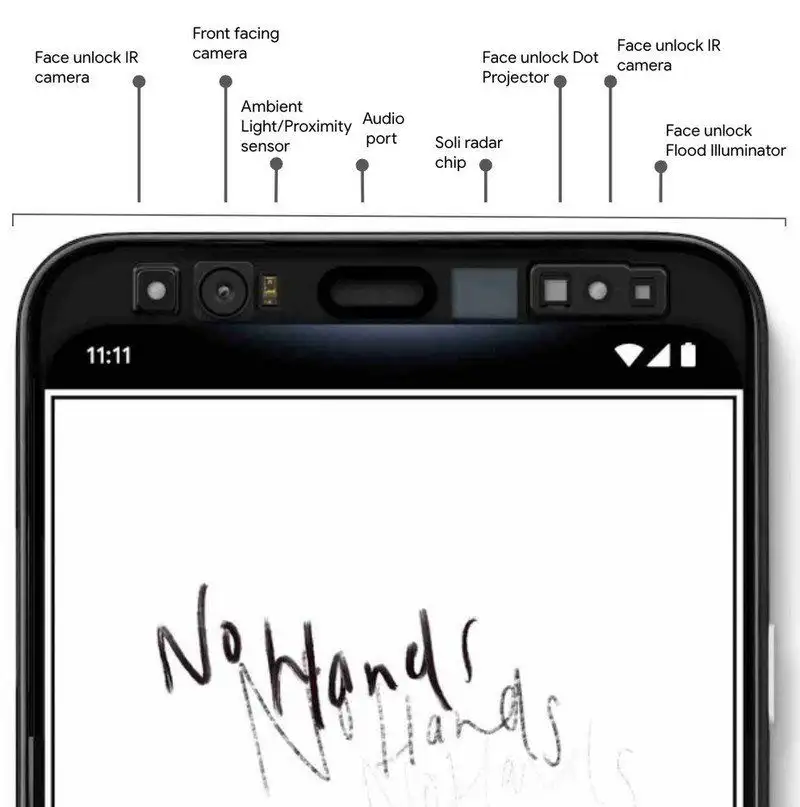
2019 (Pixel 4): Used Infrared (IR) sensors and "Soli" radar. It worked in total darkness but required a large "forehead" on the phone.
2022-2023 (Pixel 7 & 8): Google moved face scanning to the regular selfie camera. By using advanced software, the Pixel 8 became secure enough for banking apps, but it still struggles when there is not enough light.
2025-2026 (Project Toscana): Internal reports show Google is testing a return to specialized hardware. This project is linked to the upcoming Pixel 11 and future Chromebook laptops.
Collected Evidence
| Feature | Pixel 8 / 9 (Current) | Project Toscana (Testing) |
|---|---|---|
| Technology | Standard Camera + AI | Likely Infrared (IR) Sensors |
| Darkness Performance | Often fails or requires screen brightness | Designed to work in total darkness |
| Security Level | Class 3 (High) | Class 3 (High) |
| Speed | Moderate | Reported to match iPhone "Face ID" speed |
| Hardware Look | Small "hole-punch" circle | Testing both "hole-punch" and under-display |
"Project Toscana worked just as quickly as Face ID on the iPhone… it is designed to perform better in challenging lighting conditions." — Internal Source via Android Authority
The main goal of Project Toscana is to combine the high security of the Pixel 4 with the modern, "all-screen" look of today's phones.
Probing The Choice Between Design And Function
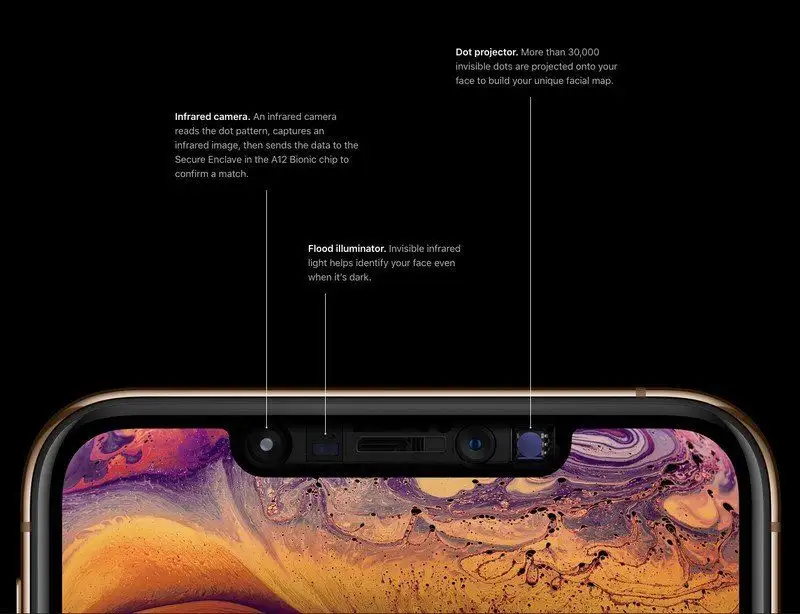
One major question remains: how will Google hide these extra sensors? On the iPhone, there is a visible "island" or notch at the top of the screen. In contrast, Google's current testers have seen a standard small camera hole on prototypes.
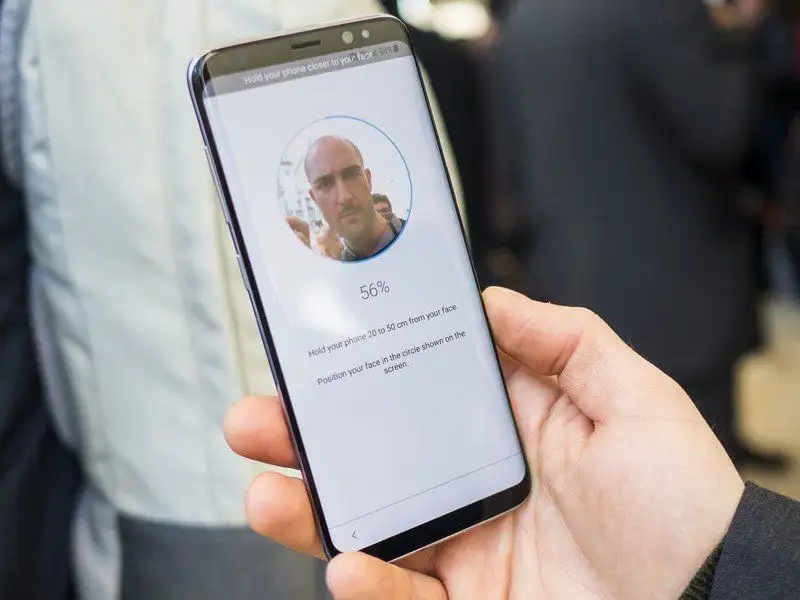
Could Google be hiding sensors under the glass? Some reports suggest the infrared camera might be placed under the display so it is invisible when not in use.
Will this require a larger camera hole? If the technology cannot fit under the screen yet, Google may have to choose between a larger cutout or a less powerful sensor.
Is the focus on speed or security? While the software-based scan on the Pixel 8 is secure for payments, it is often slower than hardware-based systems.
Face Scanning For Laptops
Evidence shows that Google is not just looking at phones. Project Toscana is also being tested for Chromebooks. Most laptops currently use passwords or fingerprints. Adding a secure face scan would allow users to log in just by sitting down in front of their computers. This would be helpful for shared devices in schools or offices, where typing a password many times a day can be slow.
Read More: Pixel 10 US models go eSIM only, international models keep physical SIM
Expert Observations
Industry analysts note that Google is finally trying to close the gap with Apple. Kamila Wojciechowska, a reporter with a history of finding accurate Google leaks, points out that the Pixel 11 (expected in 2026) is the most likely home for this hardware.
Investigators at 9to5Google and Android Authority agree that while the Pixel 8's AI-based face scan was a "breakthrough," it cannot overcome the physical limits of a standard camera lens in low light. The move to "Project Toscana" suggests that Google believes software alone is no longer enough to provide a top-tier experience.
Findings And Next Steps
The investigation into Project Toscana reveals a clear shift in Google's strategy. After trying to use software to solve hardware problems, the company is returning to specialized sensors to improve speed and reliability.
Speed: Early tests show the new system is significantly faster than the current camera-only method.
Versatility: The technology is being built to work across both mobile and desktop platforms.
Timeline: Because this hardware is linked to the Pixel 11, it is unlikely to appear in the very next phone release.
Investigators will continue to monitor Google's testing at its Mountain View offices. The key detail to watch for is whether the next round of prototypes features an "under-display" sensor or a more traditional camera setup.
Read More: BEREC Asks for Mobile Network API Ideas from Developers
Sources Used
9to5Google: Project Toscana Hardware Upgrade Report - Details on hardware upgrades and comparison to Pixel 8.
Android Authority: Exclusive: Google's Secret Project Toscana - Source info on speed tests and low-light performance.
FindArticles: Google Tests Project Toscana - Details on internal trials and Chromebook security.
Android Police: Pixel 11 Sophisticated Face ID - Information on under-display IR camera leaks.
BGR: Pixel 8 Face Unlock vs Face ID - Context on current Class 3 biometric security levels.
Euronews: Google's Route to Face Recognition - History of Google's internal decisions and Apple competition.





