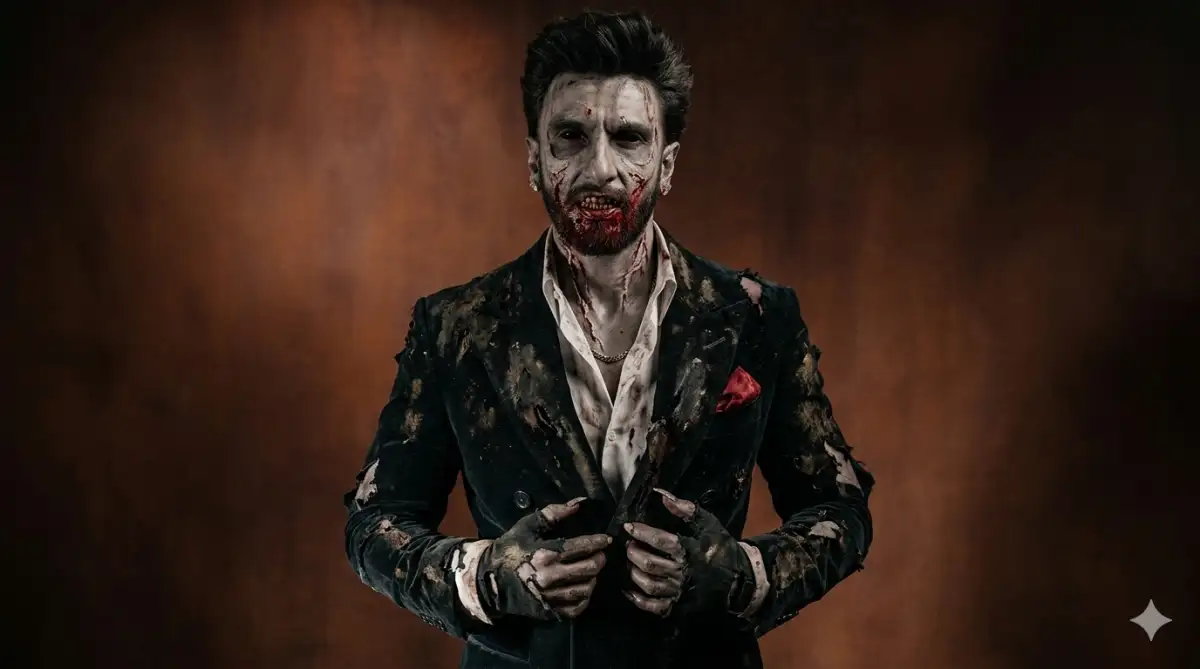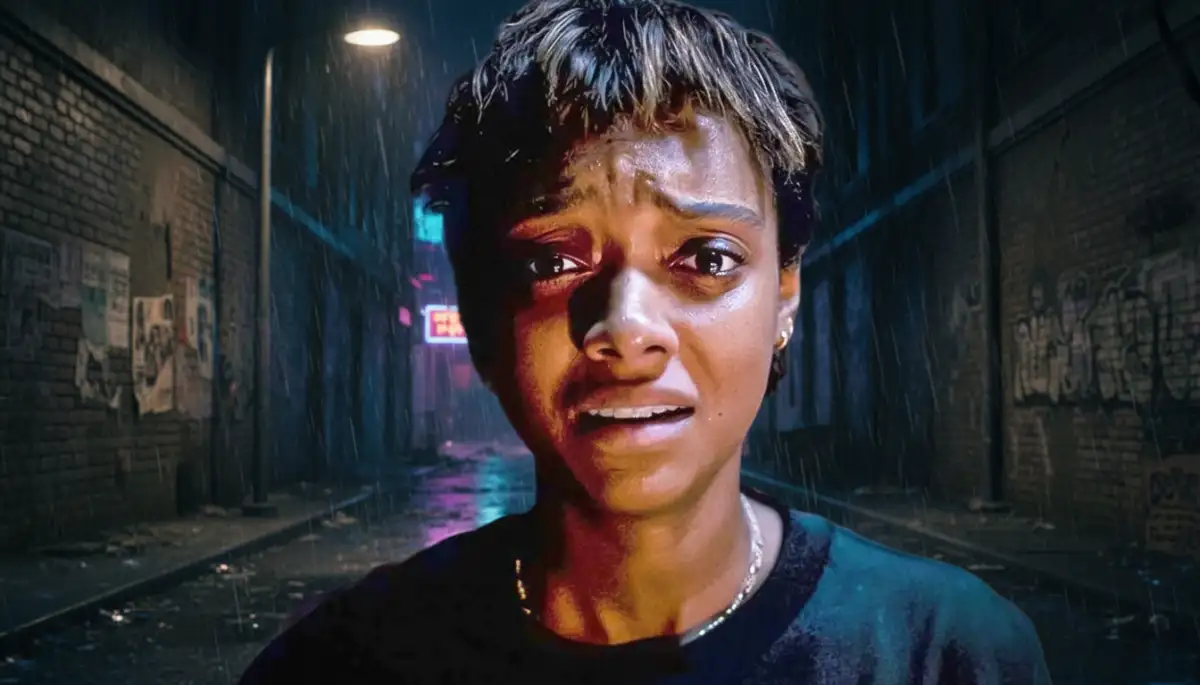
The horror genre, a persistent echo of cultural disquiet, has consistently adapted its terrors to reflect the prevailing anxieties of each passing decade. From the atmospheric dread of early cinema to the visceral immediacy of contemporary filmmaking, these cinematic nightmares serve not just as entertainment but as fractured mirrors to the collective psyche.
Key films, heralded as definitive for their respective eras, often encapsulate specific societal fears and technological advancements. These selections, while subjective, illuminate a trajectory from supernatural gothic to psychological suspense and social commentary, demonstrating horror's capacity to absorb and transmute widespread unease into potent, enduring images.
The Defining Horrors of Each Era
Across various critical retrospectives, a pattern emerges: the most impactful horror films of a given decade tend to tap into the dominant cultural zeitgeist.
Early Cinema's Shadows: Films like 'Dracula' (1930s), produced by figures such as Carl Laemmle, laid groundwork with iconic monsters, inspiring subsequent generations. The genre's nascent stages explored primal fears, often through adaptations of gothic literature.
Mid-Century Unease: The 1950s saw films like 'Cat People' push boundaries with supernatural themes and even invent devices like the 'jump scare.' The decade also featured 'Diabolique', a film whose suspenseful narrative has spawned numerous imitations. This period also saw genres like monster movies, exemplified by 'Godzilla,' delivering sharp commentary on the horrors of nuclear war.
Psychological Descent: The 1980s are frequently marked by 'The Shining,' Stanley Kubrick's exploration of madness, which continues to cast a long shadow over the genre. This film's introspective terror and masterful direction exemplify a shift towards more complex psychological dread.
Modern Manifestations: Later decades showcase a diversity of fears. The 1990s saw 'The Silence of the Lambs,' a film that masterfully blended horror with detective thriller elements, playing on psychological intrigue. The 2000s brought 'REC,' a found-footage entry that amplified visceral dread. More recently, films like 'Hereditary' (2018) and 'Talk to Me' (2023) demonstrate contemporary horror's engagement with deeply personal and social anxieties, employing innovative visual styles and tapping into generational fears.
A Spectrum of Fears
The selection of horror films by decade reveals a broadening spectrum of what society finds terrifying, moving beyond simple frights to explore more nuanced societal breakdowns and psychological landscapes.
Read More: Pagglait 2: Sanya Malhotra Returns for Netflix Sequel Filming August 2026
The genre’s evolution is tied to its inherent flexibility, incorporating diverse fears and narrative approaches.
Films often pay homage to previous eras while forging new paths, indicating a continuous dialogue within the genre.
Technological advancements in filmmaking have enabled directors to translate increasingly complex and unsettling visions to the screen.
Background: Horror as a Cultural Barometer
The horror genre has a long-standing relationship with societal anxieties, acting as a canvas onto which fears, both primal and contemporary, are projected. From the Universal Monsters of the 1930s reflecting anxieties about the unknown and societal change, to the creature features of the 1950s tapping into Cold War paranoia, horror has consistently offered a visceral response to the issues plaguing the collective consciousness. The slasher films of the 1970s and 80s, for instance, are often seen as a reaction to a perceived breakdown in societal order, while the more recent surge in supernatural and psychological horror may speak to a contemporary sense of existential dread and a search for meaning in an increasingly complex world. This ongoing dialogue between the screen and society underscores horror's enduring power as a form of cultural commentary.