


Appeals Court Halts Order Against Third-Country Deportations, SCOTUS Challenges Pending
A federal appeals court has placed a temporary hold on a lower court's ruling that had halted the Trump administration's practice of deporting individuals to countries other than their nations of origin. The First Circuit Court of Appeals granted an administrative stay, permitting the deportation policy to continue while the legal challenge proceeds. This move effectively prevents the district court's decision from taking effect, allowing the appellate court time to consider whether to extend the pause during the appeal process. The lower court had previously determined that the administration's third-country removal policy failed to meet basic 'due process' requirements.

Supreme Court Steps In, Temporarily Shielding Deportation Policy
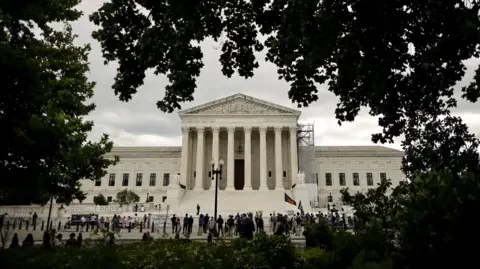
The U.S. Supreme Court has issued a significant order, allowing the Trump administration to resume rapid deportations of certain immigrants to countries other than their own, and notably, without advance warning. This decision comes as a victory for the administration's broader efforts to expedite immigrant removals. The high court's intervention lifts a previous order from a district judge that had prevented deportations to third countries without affording migrants the chance to raise concerns about potential torture or death. The Supreme Court's order allows these deportations to proceed while legal proceedings continue, effectively pausing the prior judicial constraints. The court's three liberal justices dissented from this particular order.
Read More: Karnataka High Court questions plan to allow illegal digital signs in Bengaluru

This development follows closely on the heels of previous Supreme Court actions. Justices have previously allowed the administration to end temporary legal protections for hundreds of thousands of migrants, specifically those from Venezuela, effectively exposing them to deportation. In another instance, the Supreme Court paused a judge's order that required migrants to be given an opportunity to demonstrate potential harm if removed to countries other than their own. This involved a wartime law that had previously been interpreted by lower courts to necessitate such protections.
Controversy Over Due Process and Expedited Removals
The administration's strategy, which includes deporting individuals to unspecified third countries and rapidly revoking legal protections, has drawn sharp criticism. Critics argue these actions strip away critical 'due process' protections, leaving individuals vulnerable to torture and death. Legal groups representing immigrants have decried the Supreme Court's order, stating it removes safeguards against deportation to potentially deadly situations.
Read More: Paramount+ orders new Garfield series with Lamorne Morris in 2024 to grow streaming viewers

The case itself is complex, involving expedited deportation plans that a lower court judge had previously accused the Trump administration of "manufacturing chaos" to implement. The administration has argued that such policies are within its authority to remove individuals deemed criminals or security risks, especially in light of what they describe as a surge of unauthorized immigration.
A Pattern of Judicial Intervention and Administration Wins
This recent appeals court decision and the Supreme Court's prior interventions suggest a pattern where judicial review is actively shaping the contours of the administration's immigration enforcement policies. While the Supreme Court's latest order is a win for the administration, the underlying legal challenges regarding 'due process' and the legality of these third-country deportation agreements remain. The matter is widely expected to return to the Supreme Court for a full review on its merits, particularly concerning the administration's use of wartime laws to expedite removals.
Read More: DOJ rejects DNC lawsuit on election security claims in Washington DC
The Supreme Court's actions have been decisive in allowing the administration to proceed with its deportation agenda, at least temporarily. These decisions have impacted a substantial number of individuals, with one ruling potentially exposing nearly a million migrants to deportation. The ongoing legal battles highlight a fundamental tension between the administration's asserted executive authority and established legal rights concerning immigration and deportation.