The recent passing of actor James Van Der Beek from colon cancer at age 48 has brought renewed attention to a growing concern: the rise of colorectal cancer in younger adults. This event has coincided with reports detailing how common health issues, such as metabolic syndrome, are associated with a higher likelihood of developing various cancers, including those affecting the colon, kidney, breast, uterus, pancreas, and liver.
Background on Rising Cancer Cases
Colorectal cancer is now the leading cause of cancer-related deaths for individuals aged 50 and under in the United States. This trend, highlighted by the American Cancer Society, underscores the urgency of early detection and prevention. James Van Der Beek's own battle with the disease, which lasted 2.5 years and was discovered after a colonoscopy, reflects this alarming pattern. Medical experts are now suggesting that screenings for colorectal cancer should begin at age 45.
Read More: India IVF Costs And Social Barriers Limit Access In April 2026
Metabolic Syndrome and Cancer Links
Recent analysis indicates a significant connection between metabolic syndrome and an elevated risk of several cancers. Metabolic syndrome is a cluster of conditions that occur together, increasing the risk of heart disease, stroke, and type 2 diabetes.
Overall Cancer Risk: Studies show that individuals with metabolic syndrome face a greater risk of developing cancer.
Specific Cancer Increases:
Colorectal Cancer: A 41% higher risk for those with metabolic syndrome. Men with metabolic syndrome showed a 38% higher risk.
Kidney Cancer: A 67% higher risk.
Breast Cancer: A 27% increased risk.
Endometrial Cancer: A 49% increased risk.
Pancreatic Cancer: A 33% higher risk. Women specifically saw a 58% higher risk of pancreatic cancer, though this finding is based on limited cases.
Liver Cancer: Men with metabolic syndrome experienced a 41% higher risk.
The severity of the link appears to be dose-dependent; the more metabolic abnormalities a person has, the higher their overall cancer risk and the poorer their survival rates for colorectal cancer.
Identified Risk Factors for Colorectal Cancer
Beyond metabolic syndrome, several other factors contribute to an increased risk of colorectal cancer:
Family History: Having a close blood relative with colon cancer significantly raises one's own risk.
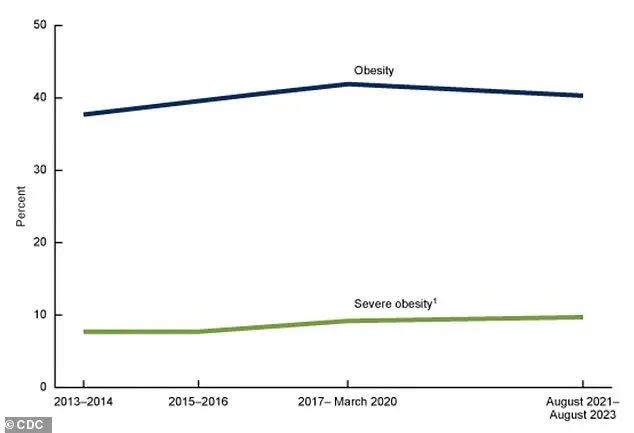
Obesity: Being obese is not only a risk factor for developing colon cancer but also increases the likelihood of dying from it.
Smoking: Individuals who smoke are also at a higher risk.
The Importance of Early Detection
Experts universally agree that early diagnosis is key to improving survival rates for colorectal cancer. The disease is far more treatable when caught before it spreads. James Van Der Beek's experience and the increasing incidence in younger demographics have prompted a reevaluation of screening guidelines.

Expert Commentary
Dr. Marc Siegel, a senior medical analyst, has discussed the rising prevalence of colorectal cancer in younger individuals, noting that the disease is now officially the leading cause of cancer death among those 50 and younger. He emphasizes the importance of addressing potential causes and promoting early detection strategies.
Read More: Colorectal cancer rising in people under 50 in 2026
Key Insights
Metabolic syndrome is linked to a significant increase in the risk of developing multiple cancers, particularly colorectal cancer.
Colorectal cancer is the leading cause of cancer-related death for adults under 50.
Obesity, smoking, and family history are established risk factors for colorectal cancer.
Early detection through screening is crucial for improving survival outcomes.
Conclusion and Implications
The data strongly suggests a correlation between common health conditions like metabolic syndrome and an elevated risk of various cancers, including colorectal cancer. This, combined with the documented rise in cancer rates among younger adults, signals a public health challenge. The actor James Van Der Beek's death serves as a stark reminder of these trends. Future efforts should focus on:
Public Health Campaigns: Raising awareness about the risks associated with metabolic syndrome and its connection to cancer.
Screening Recommendations: Re-evaluating and potentially expanding screening guidelines for colorectal cancer to include younger age groups.
Lifestyle Interventions: Promoting healthy weight management, smoking cessation, and other preventative measures.
Further investigation into the causal mechanisms linking metabolic abnormalities to cancer development is warranted.
Sources Used:
Daily Mail: Details the increased cancer risks associated with metabolic syndrome.🔗 Link: https://www.dailymail.co.uk/health/article-15551325/obesity-colon-cancer-metabolic-syndrome-james-van-der-beek.html
Fox News: Discusses the rise of colon cancer in younger adults following James Van Der Beek's death and highlights expert opinions.🔗 Link: https://www.foxnews.com/health/james-van-der-beeks-death-highlights-alarming-colon-cancer-rise-younger-adults
Healthline: Reports on James Van Der Beek's death and the broader trend of rising colorectal cancer in young adults, including new screening age recommendations.🔗 Link: https://www.healthline.com/health-news/james-van-der-beek-colon-cancer-death
AP News: Explores the rise of colorectal cancer in younger adults, identifying risk factors and symptoms.🔗 Link: https://apnews.com/article/colon-cancer-young-adults-boseman-van-der-beek-7200285f2060145b8369de9ed8db9c17
NDTV: Explains the symptoms, risks, and prevention of colon cancer, noting James Van Der Beek's passing and linking obesity to increased risk.🔗 Link: https://www.ndtv.com/health/james-van-der-beek-dies-of-colon-cancer-at-48-symptoms-risks-and-prevention-explained-10998935



/og.png)