A notable rise in eye cancer diagnoses, particularly ocular melanoma, is leading medical professionals to emphasize the importance of recognizing subtle warning signs. While often detected during routine examinations, changes in vision or the appearance of the eye can signal a serious condition. This situation underscores the need for public awareness and proactive health monitoring.
Background
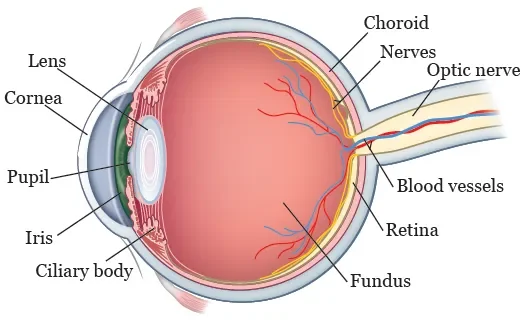
Ocular melanoma, also known as uveal melanoma, is a type of eye tumor. These tumors can develop in different parts of the eye, including the iris (iris melanoma), the ciliary body (ciliary body melanoma), or the choroid (choroidal melanoma). Many eye freckles, medically termed ocular nevi, are harmless pigmented spots, similar to moles on the skin. However, in some instances, these spots can transform and develop into cancerous growths.
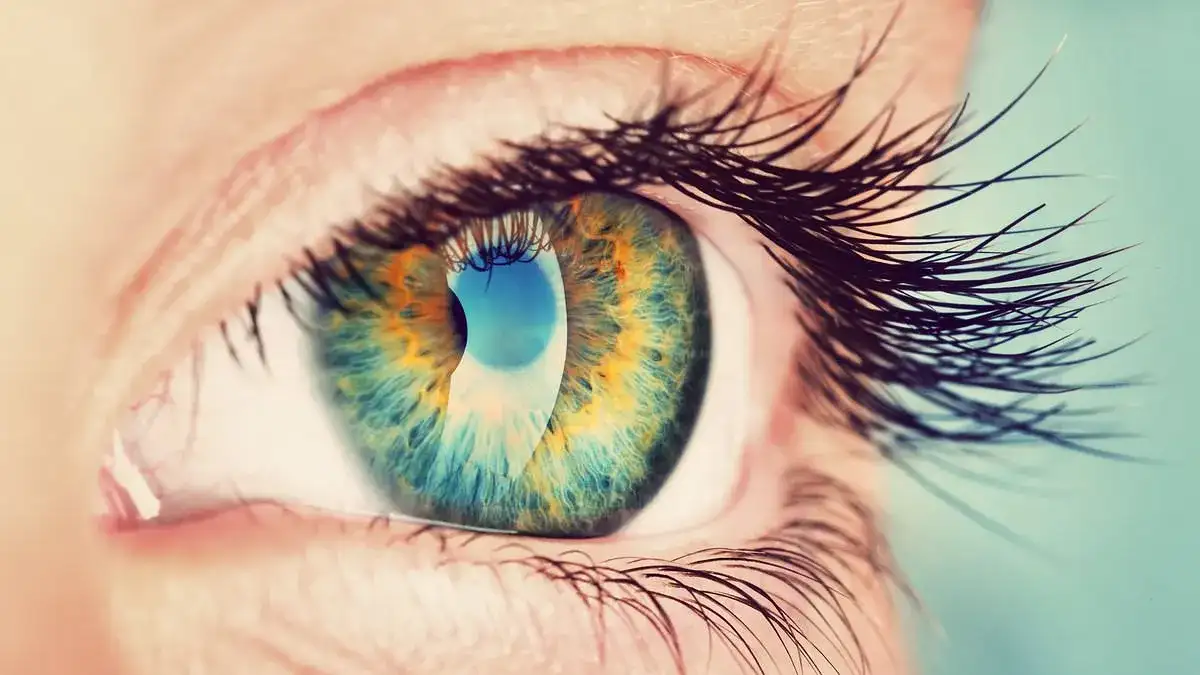
Recent reports highlight an increase in eye cancer cases, with one source noting a 30% surge. This trend, particularly affecting younger women with cancers impacting their gender, has prompted experts to stress the critical role of early detection in improving survival rates, which are generally high when diagnosed promptly.
A family history of melanoma is identified as a risk factor, increasing the likelihood of developing eye cancer by 30-50%. The detection of eye cancer, while often occurring during routine eye check-ups, can also be prompted by visible changes or symptomatic experiences.
Read More: India IVF Costs And Social Barriers Limit Access In April 2026
Identifying Potential Ocular Melanoma
Changes in an "Eye Freckle": Ocular nevi, or eye freckles, are typically benign. However, any change in their appearance is a significant indicator that warrants medical attention. This includes alterations in color, size, or shape.
Vision Disturbances: Symptoms such as a diminished vision in one eye, partial or complete vision loss, or the appearance of a dark patch that seems to be growing are considered key warning signs.
Visual Anomalies: Experiencing spots, flashes of light, or wiggly lines in one's field of vision can also be indicative of underlying issues. Changes in peripheral vision are also noted.
Physical Changes to the Eye: Visible signs include a pale, raised lump on the eye's surface, or lumps on or around the eyelids. Bulging of one eye is another concerning symptom.
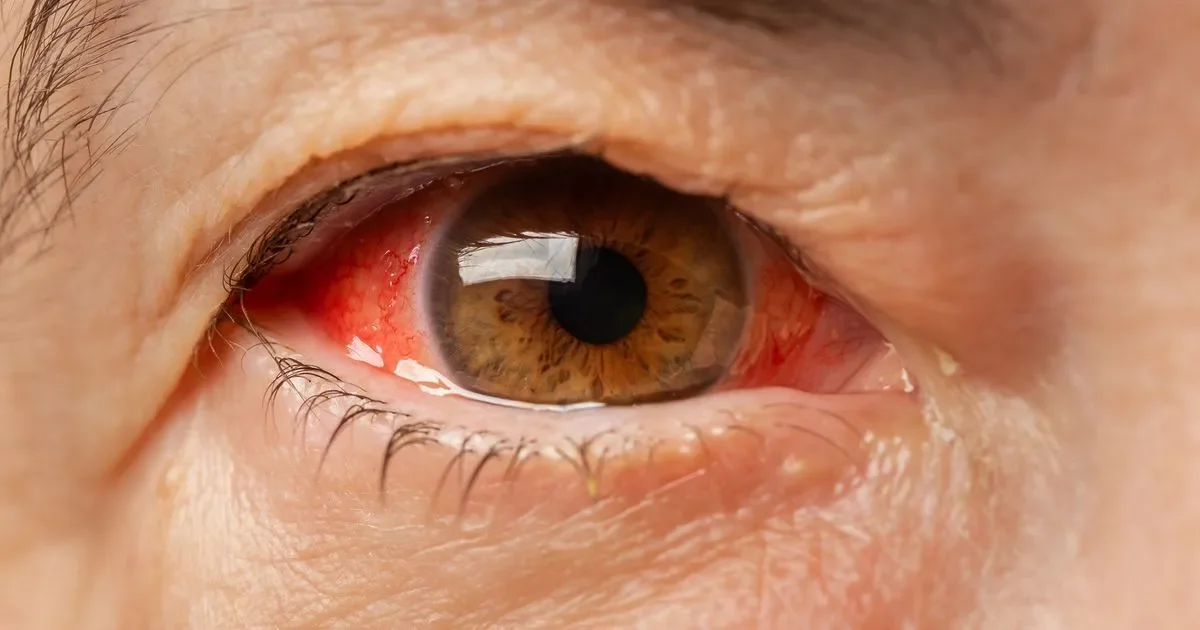
Discomfort and Irritation: While pain around the eye is considered rare with eye cancer, persistent irritation, redness (red eye), or chronic conjunctivitis should not be overlooked.
Diagnostic Approaches
The process for diagnosing eye tumors often begins with a detailed eye examination. Specialized techniques like digital eye photography can be used to monitor changes in pigmented spots over time. For a definitive diagnosis, a biopsy of the suspected tumor is frequently performed. In complex cases, advanced imaging and modeling, such as 3D eye models, may be employed to visualize the affected area.
Treatment Modalities
The specific treatment for ocular melanoma depends on various factors, including the type and stage of the cancer. For certain cases, specialized treatments like proton therapy are available at select medical centers. Early detection is paramount, as it significantly improves treatment outcomes and survival rates.
Expert Perspectives
Medical professionals emphasize that eye cancer, while serious, is often not a death sentence if detected early. Regular dilated eye exams, often including photographs of the back of the eye, are crucial for monitoring any pigmented spots. Specialists highlight the importance of discussing any concerning changes with a doctor, as symptoms can sometimes signal other health issues.
Read More: Colorectal cancer rising in people under 50 in 2026
Conclusion
The observed increase in eye cancer cases necessitates heightened public awareness regarding the potential warning signs. Changes in an eye freckle, vision disturbances, and physical alterations to the eye itself should prompt prompt medical consultation. Regular eye examinations remain a cornerstone of early detection, offering a critical pathway to improved outcomes and management of ocular melanoma.
Sources
Today.com: Ocular melanoma symptoms are discussed, with a case study highlighting vision loss and the need for regular dilated eye exams with retinal photography. (https://www.today.com/health/womens-health/eye-freckle-ocular-melanoma-rcna166248)
Daily Mail: This article covers various cancers with eye-related symptoms, including melanoma, and notes an increased risk with family history. (https://www.dailymail.co.uk/health/article-14320847/Seven-changes-eyes-hidden-cancer.html)
Memorial Sloan Kettering Cancer Center (Brave): Provides a definition of ocular melanoma and its different types based on location within the eye. (https://www.mskcc.org/cancer-care/patient-education/about-ocular-melanoma)
Northwestern Medicine: Details a patient's experience with ocular melanoma, emphasizing diagnosis by a retina specialist and treatment at a specialized proton center. (https://news.nm.org/tennessee-grandmothers-tumor-caused-by-freckle-that-turned-into-eye-cancer/)
Blue Fin Vision: Outlines key indicators for when an eye freckle might require medical attention, stressing the use of digital eye photography for monitoring. (https://bluefinvision.com/blog/5-signs-your-eye-freckle-needs-removal/)
Medical News Today: Explains what eye freckles (ocular nevi) are, notes most are harmless, and advises regular checkups. (https://www.medicalnewstoday.com/articles/eye-freckle)
Mirror: Lists eleven warning signs of cancer visible in the eyes, including dark spots and pale lumps, and notes that eye cancer can be rare but important to monitor. (https://www.mirror.co.uk/news/health/eleven-warning-signs-cancer-you-31502838)
All About Vision (Brave): Addresses common questions about eye freckles, their potential impact on vision, and the role of an eye doctor in assessment. (https://www.allaboutvision.com/conditions/eye-freckle/)
MD Anderson Cancer Center (Brave): Describes eye cancer symptoms, noting that early stages are often asymptomatic and advises discussing any symptoms with a doctor. (https://www.mdanderson.org/cancer-types/eye-cancer/eye-cancer-symptoms.html)
Liv Hospital: Discusses symptoms of tumors behind the eye and outlines initial examination procedures for diagnosis. (https://int.livhospital.com/symptoms-of-tumour-behind-eye-how-to-check/)
Cancer Research UK (Brave): Explains that eye cancer is rare and that many symptoms can be caused by other eye conditions, emphasizing survival factors and the role of eye exams. (https://www.cancerresearchuk.org/about-cancer/eye-cancer/symptoms)
HSE.ie (Brave): Discusses symptoms of skin cancer (melanoma) and notes that melanoma can, in rare cases, develop in the eye, often diagnosed during routine examinations. (https://www2.hse.ie/conditions/skin-cancer-melanoma/symptoms/)



/og.png)