


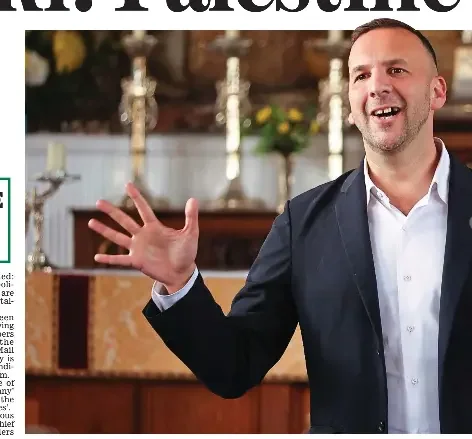
As the United Kingdom holds local elections today, Green Party leader Zack Polanski has centered his campaign messaging on the ongoing conflict in Gaza. His assertion that "Palestine is on the ballot" has triggered a sharp division in political discourse, with critics labeling the move a calculated effort to court specific voter blocs through sectarian messaging.
The Core Conflict
The debate centers on whether the Green Party is addressing valid humanitarian concerns or utilizing identity-based mobilization to capture electoral support.

| Feature | Primary Critique | Official Framing |
|---|---|---|
| Messaging | Seen as "sectarian tactics" | Advocacy against "injustice" |
| Strategy | Desperate bid for votes | Focus on key voter concerns |
| Accountability | Criticized for language use | Refusal to "police" supporters |
Political Targeting: Critics, including some within the Jewish community and rival political parties, argue that Polanski is leveraging the conflict to consolidate the Muslim vote. This follows previous concerns regarding campaign visits to specific constituencies like Gorton and Denton.
Contradictions in Stance: Polanski, himself of Jewish heritage, has faced criticism from both sides of the political spectrum. Some argue his support for movements like Palestine Action—which he has defended against government proscription—conflicts with his role as a mainstream party leader.
The Language Gap: When asked about inflammatory protest slogans like "globalise the intifada," Polanski stated he would "discourage" their use to remain effective, yet he maintained a reluctance to strictly "police" the language of protesters.
Background and Context
The current tension is an escalation of long-standing friction within the Green Party. Over the past year, the party has navigated internal disputes regarding disciplinary standards, specifically comparing its treatment of gender-critical voices with its handling of allegations related to antisemitism.

Polanski’s personal background has also become a focal point in the media. Reports from the Jewish Chronicle indicate internal familial strain regarding his political trajectory, with some relatives expressing significant opposition to his current platform. These domestic tensions reflect a broader public discomfort, exacerbated by a stabbing incident in Golders Green earlier this year that heightened national sensitivity toward pro-Palestine activism.
Read More: UK Voters Face ID Rules in May 7 Elections

As voters head to the polls today, the outcome will likely serve as a referendum not just on local issues, but on the effectiveness of identity politics in a deeply polarized climate.


