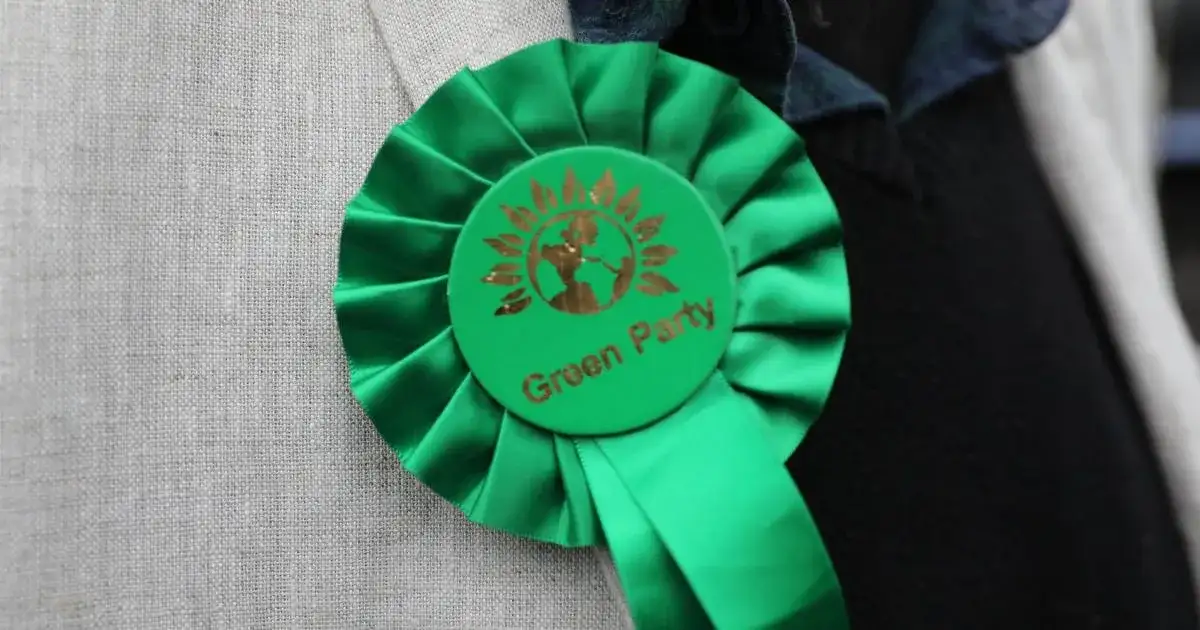
The Green Party is advancing a plan to combat the prolonged decay of town centres, promising "affordable" leases for local businesses. A core element of their proposal, articulated ahead of the upcoming English local elections in May, involves leveraging compulsory purchase orders. This mechanism, if enacted by Green-controlled councils, would aim to bring long-term vacant shops back into public utility. The party has also declared an intention to abolish business rates for all pubs, with further specific proposals for high street revival anticipated.
The Greens' blueprint centres on empowering local authorities to actively reappropriate empty commercial spaces, ostensibly to foster independent traders and diminish the prevalence of large, national chains. This strategy intersects with existing governmental efforts; successive administrations have similarly encouraged councils to employ compulsory purchase orders as a tool for revitalising high streets.
Read More: Epstein File Hearings Stopped by Oversight Committee in DC
Reclaiming the High Street
The party's leader, Zack Polanski, highlighted that Green councillors would prioritise community interests over private property rights, utilising existing local authority powers to revive high streets. The proposals advocate for a community-led approach to shaping these spaces, ensuring local spending circulates within the community.
In parallel, the UK government, through its Small Business Strategy announced on December 2, 2024, has already introduced new powers for councils. These changes empower local authorities to auction leases for commercial properties that have remained unoccupied for extended periods. This initiative, known as High Street Rental Auctions (HSRAs), aims to counteract landlords holding onto vacant properties for over a year, offering a "right to rent" for businesses and community groups. Early adopters of this scheme include Bassetlaw, Darlington, and Mansfield councils, with Bournemouth, Christchurch and Poole Council acting in an advisory capacity.
Read More: Tesla Buys $2 Billion AI Hardware October 2025
Broader Green Economic Stance
Beyond immediate high street concerns, the Green Party has previously outlined a broader economic charter. This includes proposals for regional mutual banks to fund decarbonisation efforts, a potential re-entry into the EU customs union, and offering VAT and rates exemptions for businesses. A commitment to allocating £2 billion annually for local authority grants to aid business decarbonisation, alongside fostering community ownership, has also been put forth. Ellie Chowns, a party candidate, has described these measures as a comprehensive package designed to support the survival and prosperity of small businesses, which she deems the "lifeblood" of the economy and communities.
The Unfolding High Street Narrative
High streets have grappled with persistent decline, a phenomenon attributed to shifting consumer habits and the escalating migration towards online retail, leading to widespread business closures. The government's December 2024 initiative marks an attempt to directly address this issue by granting councils new levers to tackle empty premises and stimulate local economies. The Green Party's current pledges appear to build upon this governmental framework, albeit with a distinct emphasis on local control and 'affordable' leasing structures.
Read More: Tamil Nadu Voter Turnout 2026: Karur Highest at 92%