Reporters Without Borders (RSF) has declared the state of global press freedom to be at its lowest point in a quarter of a century. The organization's latest annual index reveals that more than half of the world's countries now fall into "difficult" or "very serious" categories for press freedom. This marks the first time in the index's 25-year history that such a widespread decline has been recorded. The average score across all 180 countries and territories surveyed has never been lower.
The situation has led to a drastic reduction in the global population living in countries with a "good" press freedom environment, plunging from 20% to less than 1%. This decline is underscored by the fact that journalism is increasingly being criminalized worldwide. RSF notes that the legal indicator used to assess press freedom has seen the sharpest decline this year, indicating that legal proceedings are particularly dangerous for journalists.
Read More: Iran Zagros Mountain Nuclear Site Construction Update April 2026
Key Factors Driving the Decline
Multiple factors are contributing to this widespread erosion of press freedom. Among them are "systematic" attacks on journalists, exemplified by actions in Saudi Arabia, where a journalist was executed in 2025, and the broader trend of expanding national security frameworks that have become a primary tool for restricting press freedom. Furthermore, wars and restrictions on access to information are cited as significant drivers of this downturn.
Specific Examples of Deterioration
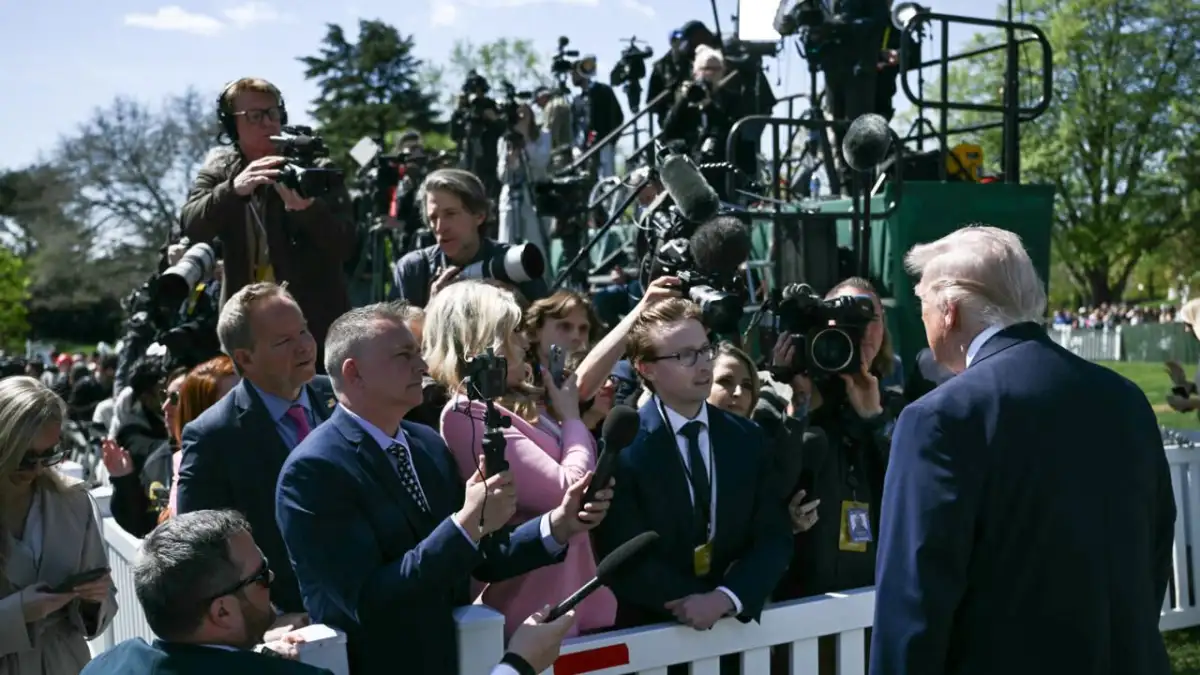
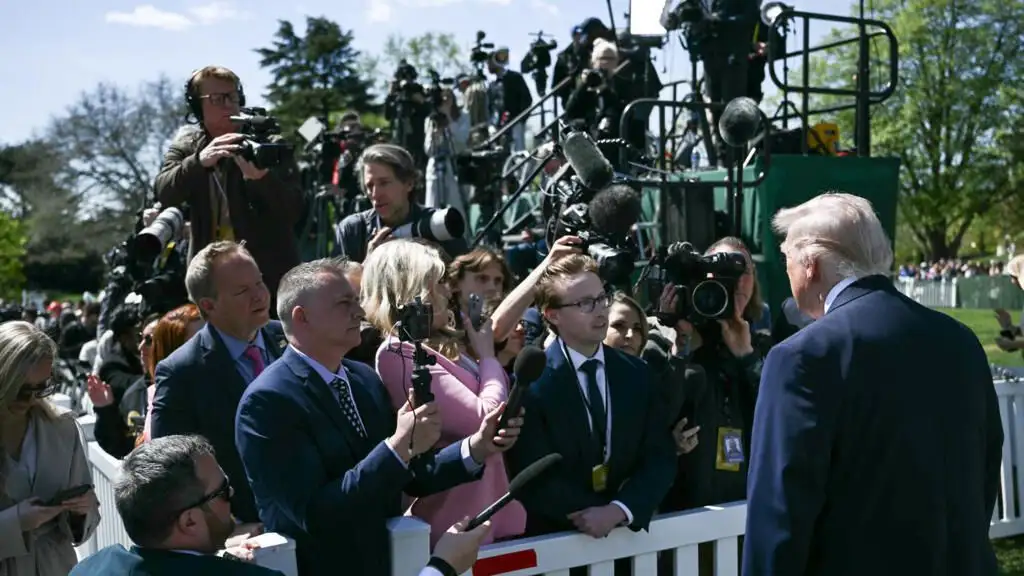
The report highlights several countries and regions experiencing notable declines. US President Donald Trump's administration is cited for its "systematic" attacks on the press and a drastic reduction in funding for US international broadcasting. The United States itself has dropped seven places to 64th in the ranking, falling from a "fairly good" to a "problematic" situation in 2024.
Other countries experiencing severe deterioration include:
India, which has slipped to 157th place, with the report pointing to political pressure on independent outlets and worsening legal conditions for journalism.
Russia, ranked 172nd, has become adept at using laws against terrorism, separatism, and extremism to curtail press freedom, with 48 journalists behind bars as of April.
Eritrea has ranked last for the third consecutive year, alongside China and North Korea, where strict state control and authoritarian governance are key factors.
Israel, ranked 116th, is cited for its attacks on journalists in Gaza, the occupied West Bank, and Lebanon.
Türkiye (163rd) and Egypt (169th) are also named as prime examples of state-imposed crackdowns.
Regional Trends and Challenges
While Europe has generally retained its leading positions in the index, even some EU member states are reportedly flouting the European Media Freedom Act (EMFA), designed to safeguard journalistic independence. Press freedom in the Americas has seen a "dramatic deterioration." Africa largely remains in a very deteriorated state.
Read More: Man Dies After Setting Fire Outside UN in Protest
Economic and Legal Pressures
Economic fragility is identified as a leading threat to press freedom, as without economic independence, a free press cannot exist. This is evident in countries like the United States (57th), Tunisia (129th), and Argentina (87th), where economic instability impacts media. Legal proceedings are proving particularly dangerous, with countries like Türkiye (163rd) utilizing anti-terrorism legislation to restrict press freedom.
Background: The RSF Index
Reporters Without Borders (RSF), originally Reporters sans frontières, has been publishing its annual World Press Freedom Index since 2002. The index assesses the level of press freedom in 180 countries and territories using a five-point scale and five key indicators: economic, legal, security, political, and social environments for journalism. The report's findings underscore a long-term global decline in press freedom.