The whispers in the fields are growing louder, transforming into a clamor of concern. A silent, slimy invasion is unfolding across the agricultural heartlands of the South, posing a clear and present danger to the crops and livelihoods that feed our nation. We're not talking about a distant threat; this is happening now, impacting the very farms that produce our staple rice and beloved crawfish. But are the authorities and the industry acting with the urgency this crisis demands, or are we watching our food security get gobbled up one bite at a time?
A Creeping Calamity: The Slow Rise of the Invaders
For years, a subtle shift has been occurring in the delicate ecosystems of our rice paddies and crawfish ponds. It began with isolated reports, dismissed by some as minor nuisances. Now, these unwelcome guests have multiplied, forming dense populations that are actively disrupting agricultural cycles.
Read More: New Wheat Makes Bigger Starch for Food and Industry
Who are these invaders? Primarily, we're talking about invasive apple snails, a diverse group of mollusks that hail from South America. These aren't your garden-variety garden snails; they are large, voracious eaters with an appetite that extends far beyond weeds.
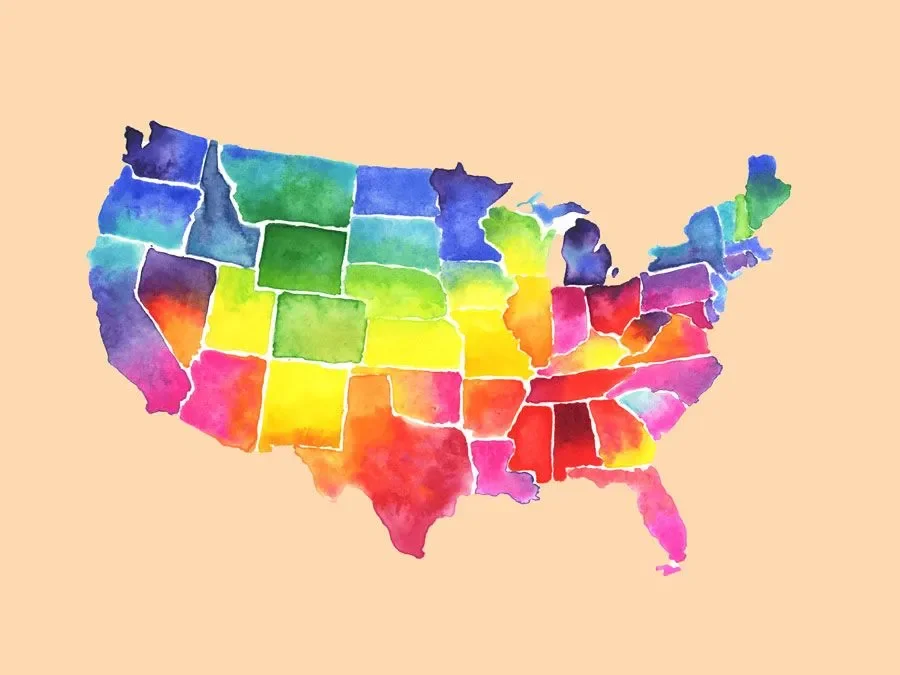
Where are they a problem? While native to South America, these apple snails have found fertile ground and ideal conditions for unchecked growth in various regions, including parts of Europe, Asia, and critically, North and South America. In the United States, they have established a foothold and are now reaching alarming population densities in Louisiana's crawfish ponds and, consequently, its rice fields.
What's the history? Reports of invasive apple snails impacting rice and crawfish production have been surfacing for some time. A piece from Rice Farming magazine in May 2020 already highlighted the threat, noting their presence and "affecting production." This suggests a problem that has been simmering for at least several years, evolving from a concern to a significant crisis.
What else is causing trouble? While the snails are a major focus, the recent news also mentions "tiny insects" posing a threat. What specific insects are these? Are they also invasive species? What are their particular impacts on rice and crawfish? The vagueness here is troubling.
"Invasive apple snails — sometimes called giant, golden or channeled apple snails — are native to South America but have been introduced into many regions. Apple snails are reaching high populations in crawfish ponds in some areas and are affecting production." - Rice Farming, May 27, 2020
The timeline of this invasion is crucial. How long have these species been present in significant numbers? Were there early warning signs that were missed or ignored? Understanding the pace of their spread and the lack of decisive action is key to assessing the current predicament.
The Snails' Supper: Devouring Our Dwindling Harvests
The core of the problem lies in the apple snails' insatiable appetite and their devastating impact on the crops that form the backbone of Southern agriculture. Their feeding habits are directly detrimental to both rice cultivation and crawfish farming, two industries vital to the regional economy and food supply.
Rice as a buffet: Apple snails are described as "not picky eaters." In rice fields, this translates to a direct threat to young rice plants. They consume seedlings, reducing plant density and ultimately impacting yield. Can farmers implement effective, non-chemical deterrents? What is the threshold at which snail populations become economically damaging to rice crops?
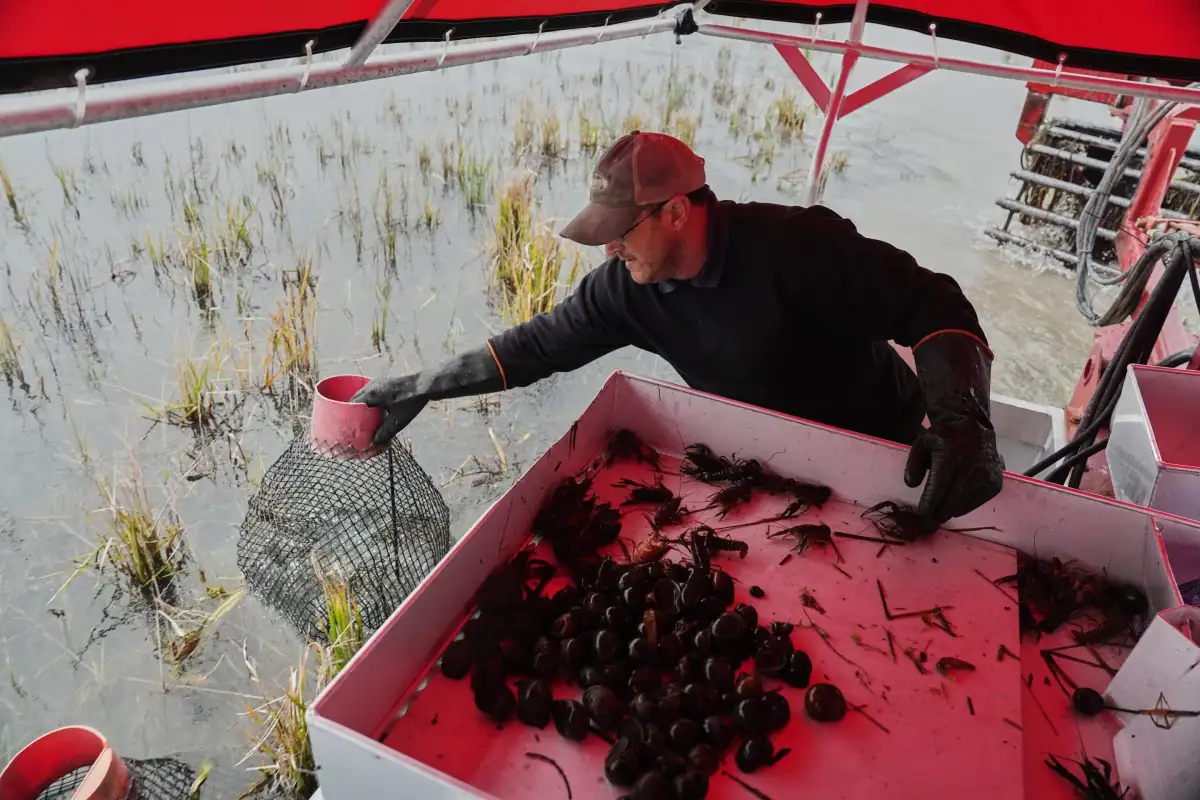
Crawfish ponds: A snail's paradise? Crawfish farmers are particularly vulnerable. The snails thrive in these water-filled environments. They compete with crawfish for food and can also directly consume young crawfish or their eggs. This dual threat means farmers face a double blow: reduced crawfish harvest and potential damage to the crawfish population itself.
The "giant" moniker: A physical threat? The term "giant apple snail" isn't just descriptive; it implies a size that can physically overwhelm delicate crops and farming infrastructure. How large do these snails typically grow? Does their size contribute to their destructive potential in a way that smaller snail species do not?
The destructive power of apple snails lies in their indiscriminate feeding on young rice plants and their competition and predation within crawfish ponds, directly impacting yields and the sustainability of these agricultural sectors.
Unanswered Questions: Who's Watching the Borders?
The presence of invasive species isn't a natural phenomenon; it's often a consequence of human activity. The introduction and spread of apple snails raise critical questions about our border control and agricultural oversight.
Read More: Louisiana AG Liz Murrill indicted in New Orleans court dispute
How did they get here? Were these snails accidentally introduced, perhaps through the pet trade, aquarium hobbyists, or ballast water from ships? Or was there a deliberate introduction that went unchecked? Understanding the pathways of introduction is vital to preventing future invasions.
Are our import controls failing? If these species are arriving through trade, what measures are in place to detect and intercept them? Are these measures adequate, or are they simply too porous to keep pace with global commerce?
Who is responsible for monitoring? Which government agencies are tasked with identifying and managing invasive species in our agricultural sector? What resources have they been allocated, and have these resources been sufficient to address the growing threat?
Why the "tiny insects" are a mystery: The co-mention of "tiny insects" in recent reports is alarming due to its lack of specificity. Are these native pests experiencing a boom due to changing environmental conditions, or are they also invasive species with their own complex introduction stories? Without identification, effective mitigation is impossible.
"Associated Press Copyright 2026 The Associated Press." - Click2Houston.com, Gallery of News
This lack of transparency and specific detail about the "tiny insects" suggests a potential blind spot in our understanding of the threats facing Southern farms.
The Wider Impact: Beyond the Farm Gate
The ramifications of this invasion extend far beyond the individual farms. The health of our rice and crawfish industries has ripple effects throughout the economy and the food supply chain.
Economic Fallout: Rice and crawfish are significant economic drivers in the South. Reduced yields and increased management costs translate to lost revenue for farmers, impacting rural economies. This can lead to job losses in farming, processing, and related industries.
Food Security Concerns: Rice is a staple food for a significant portion of the global population. Any disruption to its production, even at a regional level, contributes to broader food security concerns. Similarly, crawfish are a culturally and economically important delicacy.
Ecological Disruption: Invasive species, by their very nature, disrupt existing ecosystems. Apple snails can outcompete native species for resources and may even prey on them, altering the delicate balance of aquatic and agricultural environments.
The threat is not merely agricultural; it's economic, social, and ecological, impacting livelihoods, food availability, and the natural environment of the Southern United States.
The Road Ahead: Proactive Measures or Reactive Crises?
The current situation demands more than just acknowledgment; it calls for decisive and comprehensive action. The question remains: are we equipped to handle this, or are we destined for a series of reactive crises?
Research and Development: We need greater investment in research to understand the life cycles, vulnerabilities, and control methods for these invasive snails and the un-named insects. This includes developing targeted biological controls and effective, environmentally sound management strategies.
Stricter Biosecurity: Enhanced biosecurity measures at ports, borders, and points of entry are crucial to prevent further introductions of invasive species. This requires advanced detection technologies and robust enforcement.
Farmer Support and Education: Farmers need access to information, resources, and financial assistance to implement control measures. Educational programs on early detection and integrated pest management are vital.
Public Awareness: Engaging the public about the risks of invasive species and promoting responsible practices, particularly for activities that can lead to introductions (like the pet trade), is essential.
The slow creep of these invasive species onto our farms is a stark reminder that our food systems are not isolated, but deeply connected to global trade and ecological balance. The urgency of the threat posed by giant snails and unidentified insects cannot be overstated. It is time for critical investigation, transparency, and robust action before our fields are irreversibly altered and our plates become emptier.
Read More: Karnataka requests higher Totapuri mango limit for farmers in April 2026
Sources:
Rice Farming. (2020, May 27). Invasive apple snails threaten Louisiana rice, crawfish production. Retrieved from https://www.ricefarming.com/departments/breaking-news/invasive-apple-snails-threaten-louisiana-rice-crawfish-production/
Click2Houston.com. (2026, February 6). Giant snails and tiny insects threaten the South's rice and crawfish farms [Gallery of News]. Retrieved from https://www.click2houston.com/gallery/news/2026/02/06/giant-snails-and-tiny-insects-threaten-the-souths-rice-and-crawfish-farms/