
A significant theft from a German bank, involving millions of euros and affecting thousands of customers, has revealed troubling gaps in security protocols. The incident, which occurred over a holiday weekend, raises questions about the preparedness of financial institutions and cultural sites to prevent major breaches.
The incident at a German bank, where an estimated €90 million vanished, has left over 3,000 customers facing significant, largely uninsured losses. This audacious event unfolded over a Christmas weekend, during which thieves effectively bypassed security measures to access a vault containing safe deposit boxes. The sheer scale and duration of the undetected breach suggest profound failures in physical security, prompting an urgent reassessment of industry standards. This event echoes other recent high-profile security lapses, including a substantial art theft at Lake Garda and significant breaches at the Louvre Museum, indicating a potential pattern of vulnerability in safeguarding valuable assets.
Read More: India's Finance Minister Meets Leaders in Germany to Boost Trade

Timeline of Key Events and Actors
Early 2024 (estimated): A substantial amount of golden art and jewelry, valued at approximately €1 million, was stolen from the Museo d'Annunzio Segreto near Lake Garda. The theft involved the ransacking of display cases just before an exhibition was due to close.
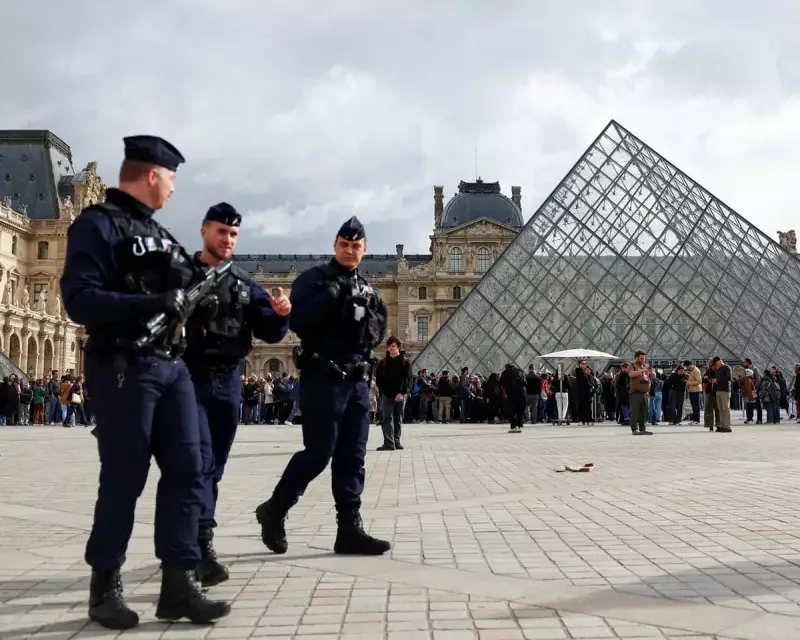
November 2, 2025: Two separate reports detail a significant security breach at the Louvre Museum in Paris. In one instance, thieves stole priceless jewelry from the museum's collection overnight. In another, ordinary criminals reportedly managed to steal armor from the iconic institution. Both events raised serious questions about the museum's security systems and protocols.
Christmas Weekend 2025: A major heist took place at a German bank. Thieves spent approximately 48 hours drilling through concrete walls to access and loot over 3,000 safe deposit boxes. The amount stolen is estimated to be between €10 million and €90 million, with most of it being uninsured.
The German Bank Heist: A Detailed Account
The German bank incident, occurring over the Christmas holiday, stands out for its audacity and the substantial financial implications. Thieves targeted a vault containing 3,250 safe deposit boxes, an act that required considerable time and effort, evidenced by the reports of them drilling through concrete walls. The fact that this operation could continue for an entire weekend undetected points to critical failures in surveillance, alarm systems, and potentially physical deterrence.
Read More: Two Men Caught After Shooting Migrant Workers in Moga
Financial Impact: The losses are estimated to range from €10 million to €90 million.
Customer Devastation: Over 3,000 Sparkasse customers are affected, with most of their losses being uninsured and potentially unrecoverable.
Operational Breach: The thieves exploited a window of 48 hours to conduct their operation, highlighting a significant lapse in continuous monitoring and rapid response capabilities.
Echoes of Insecurity: Louvre and Lake Garda
The German bank heist is not an isolated incident; it follows a pattern of significant security breaches that have challenged perceptions of safety at prominent institutions.

Louvre Museum Security Breaches
The Louvre Museum experienced at least two distinct, though potentially related, security failures in November 2025.
Jewelry Theft: Priceless pieces of jewelry were stolen from the museum's collection during an overnight operation. This event underscored vulnerabilities in the protection of highly valuable exhibits.
Armor Heist: Reports also indicate that "ordinary criminals" managed to steal armor from the museum. This suggests that even seemingly less sophisticated methods could bypass advanced security systems, raising concerns about the effectiveness of layered security.
Lake Garda Art and Jewelry Theft
In early 2024, a heist at the Museo d'Annunzio Segreto on Lake Garda resulted in the theft of 50 pieces of golden art and jewelry, valued at €1 million.
Read More: Some Athletes Use Special Websites to Earn Money for Sports

Timing of the Heist: The theft occurred shortly before the exhibition's closure, suggesting perpetrators may have had intimate knowledge of the display's schedule.
Physical Evidence: The discovery of a dropped piece suggested a hurried escape, possibly indicating a degree of haste or unexpected disruption during the thieves' exit.
Surveillance Footage: While surveillance systems captured images of the heist, details were not immediately or fully shared, leaving some aspects of the operation unclear.
Analysis of Security Failures
The common thread across these incidents is the exposure of critical security weaknesses, prompting experts to re-evaluate established protocols.
Physical vs. Digital Security Trade-offs
The German bank heist particularly illuminates the tension between robust physical security and reliance on digital safeguards.
Physical Vulnerability: The use of physical tools like drills to breach concrete walls suggests that digital security, while essential, may not be sufficient when confronted by determined physical intrusion.
Detection Lag: The extended period of the breach (48 hours) implies that detection systems, whether physical or digital, failed to alert authorities or on-site personnel promptly.
The Human Element and Operational Gaps
Beyond technology, the human element in security operations appears to be a consistent area of concern.
Read More: Vegetable Vendor Accused of Burgling Police Homes; Officer Thanks Man Who Helped Him Years Ago
Criminal Sophistication: The Louvre heist, in particular, raised questions about how individuals with "limited criminal sophistication" could bypass advanced measures. This could imply overlooked manual procedures or internal weaknesses.
Routine Oversight: The unattended breach at the German bank over a holiday weekend might point to insufficient staffing or lapses in diligence during periods of reduced activity.
Expert Insights and Industry Reaction
The frequency and nature of these security failures have drawn significant attention from industry experts and regulatory bodies.
"How does a state-owned bank’s vault get breached for 48 hours without detection?"
This question, posed in the context of the German bank heist, encapsulates the fundamental concerns now facing the banking sector. Regulators and industry associations are under pressure to reassess nationwide vault security standards.
Museum security experts worldwide are also reportedly re-evaluating their protocols in light of the Louvre breaches. The boldness of the thieves and the scale of the losses necessitate a critical examination of current security postures.
Conclusions and Implications
The series of high-profile heists, culminating in the massive German bank robbery, collectively paints a concerning picture of security vulnerabilities across different sectors. The events suggest a need for a more holistic approach to security that integrates and rigorously maintains both physical and digital defenses, alongside robust human oversight, especially during critical periods.
Read More: UK Banks Closing Many Branches in 2026
Regulatory Scrutiny: Financial and cultural institutions are likely to face increased scrutiny from regulators regarding their security measures.
Investment in Security: A renewed investment in upgrading physical security infrastructure and detection systems is probable.
Customer Trust: The erosion of customer trust due to uninsured losses at the German bank may have long-term consequences for the affected institution and the broader industry.
The question of how these breaches were facilitated and what systemic failures allowed them to persist for such durations remains the central focus of ongoing investigations.
Sources:
German Bank Heist: https://europeanbusinessmagazine.com/european-news/german-bank-vault-heist-leaves-3000-customers-facing-losses-as-e90m-disappears-in-christmas-robbery/
Context: Reports on the scale of the German bank heist, customer impact, and initial questions about security failures.
Louvre Museum Security Breaches (Armor Heist): https://globalspark.news/science/archaeology-news/louvre-heist-petty-criminals-behind-armor-theft.html
Context: Details a security breach at the Louvre involving the theft of armor by individuals with limited criminal experience.
Lake Garda Art Heist: https://www.dailymail.co.uk/news/article-13174167/art-gold-statues-jewellery-stolen-million-heist-estate-Lake-Garda.html
Context: Reports on the theft of golden art and jewelry from a museum in Lake Garda, Italy.
Louvre Museum Security Breach (Jewelry Heist): https://britbrief.co.uk/crime/theft/petty-criminals-behind-shocking-louvre-jewellery-heist.html
Context: Provides details on the theft of priceless jewelry from the Louvre, highlighting security vulnerabilities and international concern.
Read More: Man Arrested on Bourbon Street with Live Alligator