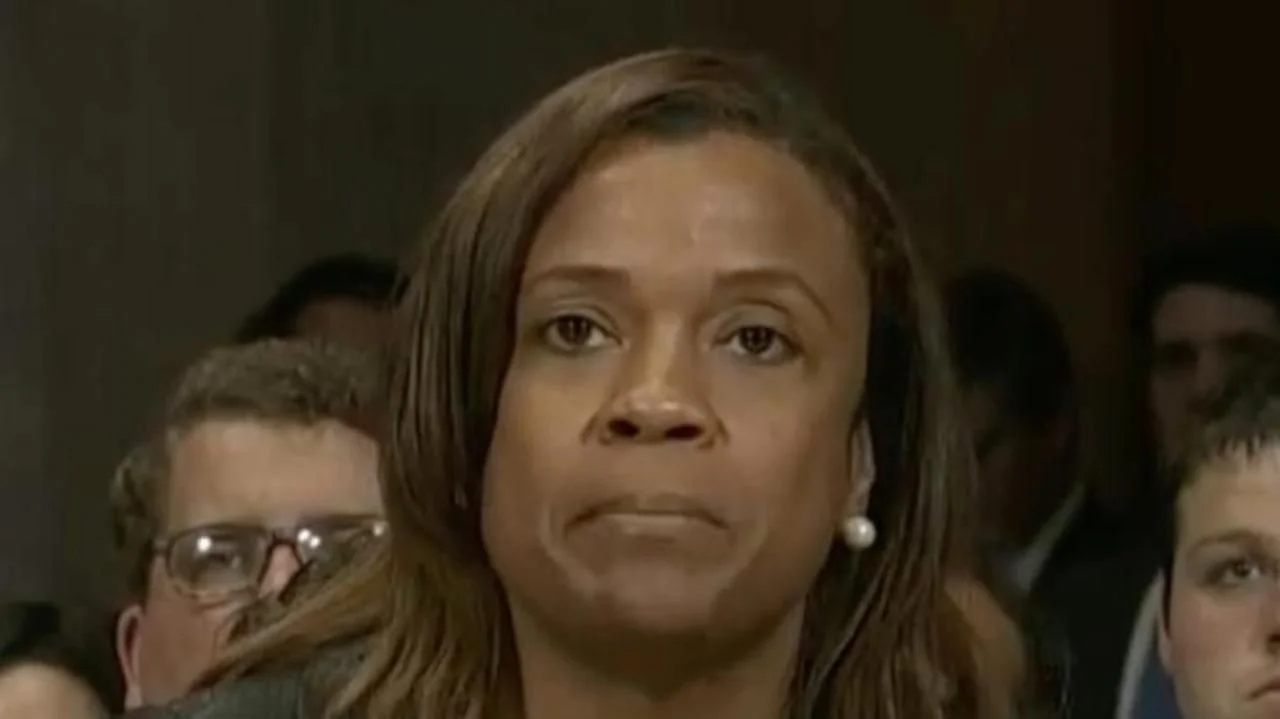
Newly elected Democrats, Peter Hubbard and Alicia Johnson, have won seats on the Georgia Public Service Commission (PSC), a development that marks a significant departure from the board's traditionally Republican makeup. This shift appears to be a direct response to voter dissatisfaction with rising electricity costs and decisions impacting grid expansion. The commission, which has long been seen as rubber-stamping utility company proposals, now faces new scrutiny as two previously obscure races become a focal point for public concerns over energy affordability.

The races gained prominence due to Georgia Power's proposal for a substantial 10,000-megawatt electric grid expansion, intended to power data centers, a plan that received approval from the PSC in December. This proposal, alongside ongoing increases in base rates, has fueled public outcry. Voters, even those not directly customers of Georgia Power, have expressed discontent with the commission's perceived lack of oversight and its role in determining energy costs and environmental impacts. The Democratic candidates, including public health professional Johnson and clean energy expert Hubbard, ran on platforms emphasizing lower power bills, resonating with a populace increasingly agitated by utility costs.
Read More: Taiwan Holds Nantou County Drills to Prepare for State Collapse

Campaign Narratives Center on Affordability
The campaigns for these PSC seats were largely defined by a focus on energy affordability. Democrats highlighted concerns that the commission, comprised of five members, was not adequately representing the public's interests, particularly regarding rate hikes and the utility's reliance on fossil fuels. The simple message of "my power bill is too high" served as a powerful unifying theme for the Democratic campaign, leading to a victory in these once-sleepy races. Republicans, conversely, attempted to frame the election around potential cost increases from environmental mandates and the closure of natural gas plants, while also pointing to a recent three-year freeze in base rates.

A Potential Bellwether for Future Elections
The heightened public engagement in these regulatory races suggests a broader trend where utility costs are becoming a central issue in electoral politics. The victories of Hubbard and Johnson are being viewed as a potential indicator for midterm elections, as soaring energy prices drive voters to the polls. This marks a notable shift in the political landscape, transforming obscure utility board elections into significant referendums on power bills and the decisions that affect them.
Read More: Georgia Government Backs Crypto, Sparking Debate on Future

Background: The Georgia Public Service Commission
The Georgia Public Service Commission (PSC) is composed of five elected commissioners responsible for regulating utility companies operating within the state. Historically, these positions have been held by Republicans. The commission's decisions directly influence electricity rates, power generation methods, and infrastructure development, making it a critical body for both consumers and utility providers. The recent elections saw voters cast ballots for two of these seats, with early voting concluding shortly before the election.