The current landscape of humanitarian assistance in the Gaza Strip has shifted from a multilateral framework to a volatile, unilateral structure under the administration of President Donald Trump. As of today, October 5, 2026, the humanitarian infrastructure remains effectively dismantled, following the withdrawal of long-standing support systems and the freezing of USAID funds earlier this year.
The implementation of the Gaza Humanitarian Foundation (GHF)—the centerpiece of the administration’s localized aid approach—has been marked by critical failures in distribution and security. Data indicates that since the inception of these militarized distribution sites, over 700 civilians have been killed and nearly 5,000 injured while attempting to access basic sustenance.
The Mechanism of Disruption
Financial Contraction: The downsizing of USAID operations has forced non-governmental organizations to exhaust internal reserves, resulting in the collapse of vital shelter and logistics networks.
Militarized Distribution: The replacement of UN-led aid networks with the GHF model has concentrated aid in restricted zones, creating "killing fields" where civilians face physical danger to receive food.
Strategic Limbo: While the administration’s "peace plan" remains the stated path toward stability, negotiations have stalled since the October 2025 ceasefire. Issues surrounding the disarmament of Hamas and the withdrawal of military presence continue to prevent the establishment of a sustained humanitarian corridor.
The shift from international humanitarian standards to a 'shadow' aid policy has prioritized geopolitical maneuvering over the immediate delivery of survival resources, leaving Gaza's civilian population at the threshold of structural starvation.
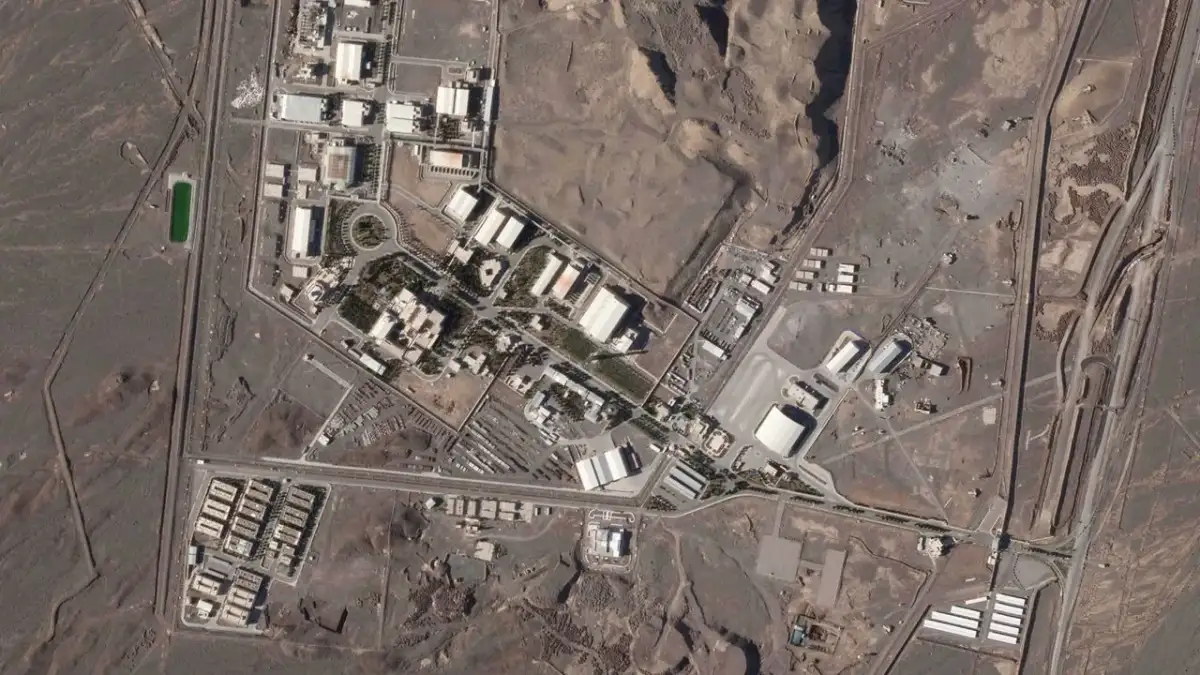
Read More: Iran Zagros Mountain Nuclear Site Construction Update April 2026
Analytical Context
The current impasse is a result of conflicting objectives between the U.S. executive vision and the operational reality on the ground. President Trump’s focus on a 'deradicalized' zone, detailed in his 20-point framework, stands in tension with the persistent blockade measures maintained by Israeli authorities.
| Phase | Strategic Focus | Status |
|---|---|---|
| Phase I (Mid-2025) | Transition to GHF / Aid Cuts | Completed / Disrupted |
| Phase II (Current) | Peace Plan Negotiation | Stalled / Limbo |
| Operational Goal | Disarmament & Reconstruction | Pending Political Consensus |
Reflective Outlook
The degradation of the aid apparatus is not a transient glitch but a fundamental re-engineering of foreign policy. By bypassing established international systems, the current administration has created a technocratic reliance on mechanisms that lack the reach of traditional NGOs. As these structures struggle to reconcile military objectives with civilian welfare, the prospects for an enduring resolution remain tethered to an unresolved cycle of security demands and, ultimately, the exhaustion of the civilian support infrastructure.