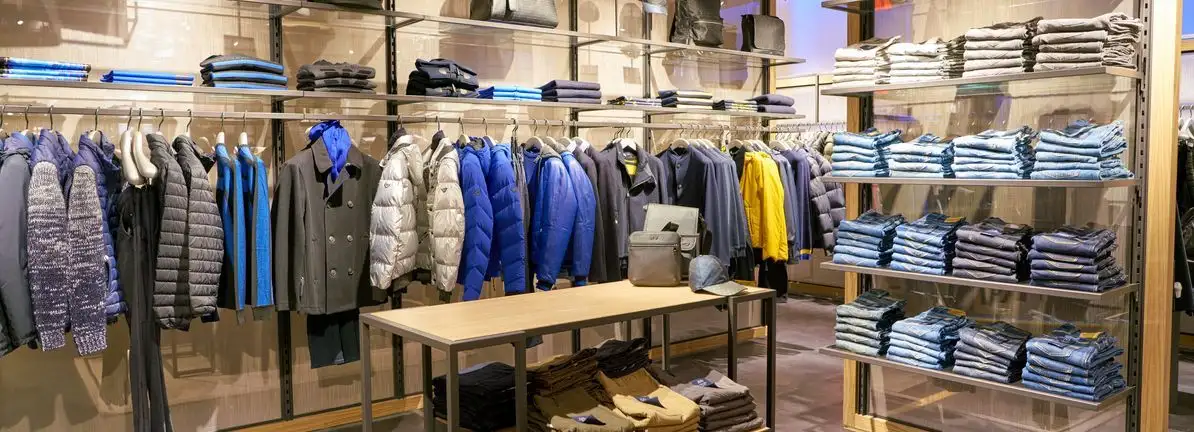
The stock market currently prices Gap Inc. (GPS) at a discount that suggests a lack of faith in its latest costume change. Despite reporting six consecutive quarters of same-store sales growth, the share price recently slid 17%, leaving the company with a P/E ratio of 10.61x. This valuation sits well below the 16.69x "fair ratio" often pinned to the retail sector, revealing a disconnect between the company’s internal narrative of revival and the cold math of the trading floor.

"In order to get back to growth, Gap had to shrink first."
While the core Gap brand and Old Navy show signs of life at the register, the company’s peripheral limbs—Banana Republic and Athleta—remain dead weight. Management’s strategy involves a delicate trade-off: keeping inventory low to avoid the "buy-then-promote" trap of previous years, while hoping a new creative direction can spark genuine demand rather than just cleared-out shelves.
Read More: FIFA World Cup 2026 Revenue Reaches $15 Billion With New Ticket Prices

The Fragmented Portfolio
The company is currently a house divided by its own balance sheet. The Brand Momentum reported by analysts is largely concentrated in the lower-priced tiers of the business.
Gap & Old Navy: These segments are the primary drivers of the recent six-quarter winning streak in sales.
Banana Republic: Remains an underperformer, failing to find a consistent footing in the "value vs. fashion" war.
Athleta: Once a growth engine, it has stalled, struggling to maintain the same-store growth consistency seen in the flagship brand.
| Financial Metric | Reported Value | Significance |
|---|---|---|
| P/E Ratio | 10.61x | Market skepticism; "undervalued" per DCF models. |
| Merchandise Margin | +20 bps | Slight improvement in the cost of goods sold. |
| ROD (Rent/Occupancy) | +20 bps (deleverage) | Rising costs of physical storefronts eating into gains. |
| Sales Growth | Flat | Store sales haven't moved despite the "revival" talk. |
The Architects of the Reset
CEO Richard Dickson has attempted to manufacture a "cool factor" by injecting high-fashion DNA into a mass-market machine. The appointment of Zac Posen as Creative Director serves as a signal to investors that the company wants to move away from being a mere commodity seller. However, the Strategic Turnaround is currently more about logistics than art.
The focus remains on liquidity and debt management. Gap has avoided aggressive stock buybacks or dividend hikes, opting instead to hoard cash against a volatile consumer backdrop. This "resilience" is a defensive crouch, intended to protect the company from looming tariffs and the shifting sands of global trade policy.
Read More: Sephora shampoo recall April 2026 Oribe and Amika safety update
Investigative Context: The Ghost of Inventory Past
Historically, Gap Inc. suffered from a cycle of over-buying inventory and then slashing prices to move stagnant piles of clothes. This eroded the brand's perceived value. The current "shrink to grow" mandate is a rejection of that era. By tightening the supply, they hope to force the consumer to pay full price.
The risk remains structural. While the Gap Factory stores and discount channels are humming, the full-price identity of the brand is still a work in progress. Investors are keeping a cautious eye on whether the Zac Posen era can actually move needles at the Banana Republic and Athleta level, or if the company will eventually have to lop off its underperforming segments to save the core.
Warning Signs:
Inconsistent sales across high-end brands.
Geopolitical uncertainty affecting sourcing costs.
Flat year-over-year store performance despite marketing spend.