

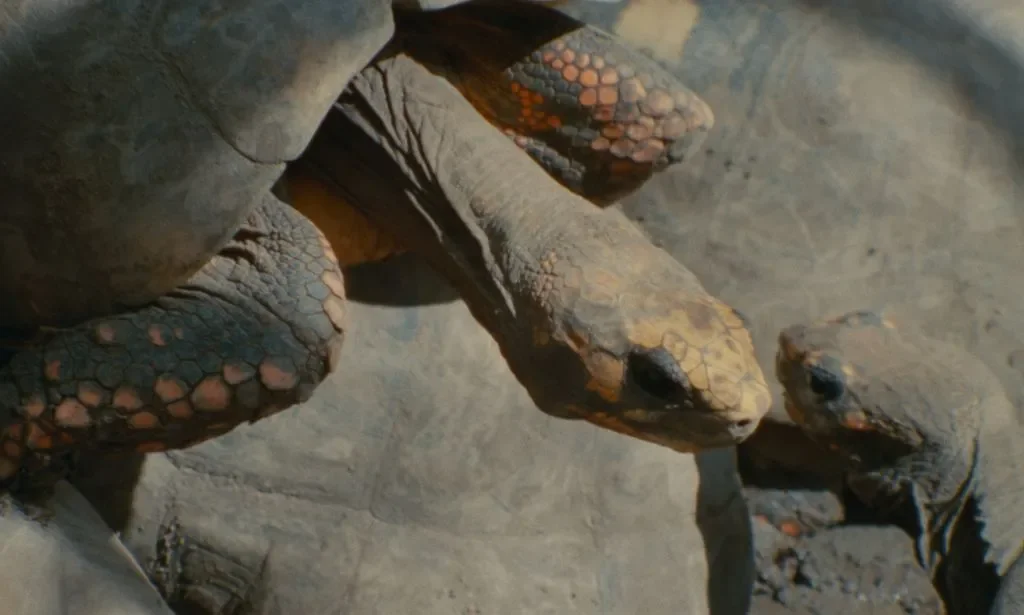
The film "Collective Monologue," directed by Jessica Sarah Rinland, offers a close look at the connections between zookeepers and the animals in their care. It probes the nature of these relationships within zoo and animal rescue settings, particularly in Argentina. The documentary uses various filmmaking techniques, including archival footage and 16mm film, to present its subject matter.
Unfolding Narratives in Zoological Care
"Collective Monologue" centers on the daily lives and conversations of long-term zookeepers and gardeners who work at a local zoo. These individuals, who have only seen each other in passing, begin to share their stories and knowledge.
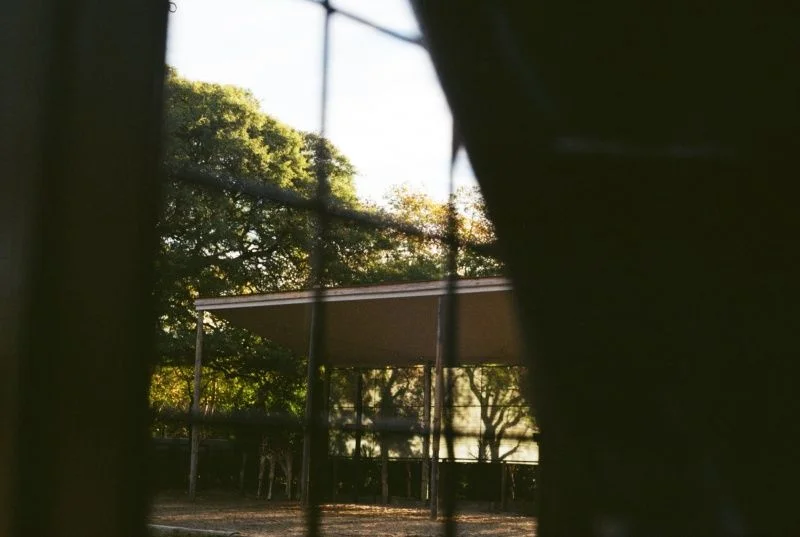
The film follows their work, detailing conversations that touch upon zoo architecture, the animals, future plans for the zoo, family matters, and history.
A key element is the development of camaraderie and a sense of shared purpose, born from attentive listening and extended dialogue.
Artistic Approach and Thematic Depth
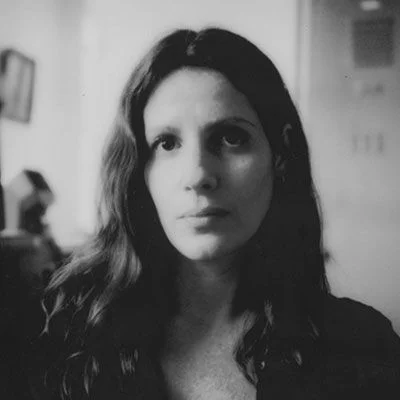
Director Jessica Sarah Rinland is known for her distinct documentary style, often collaborating closely with her sound designer, Philippe Ciompi.
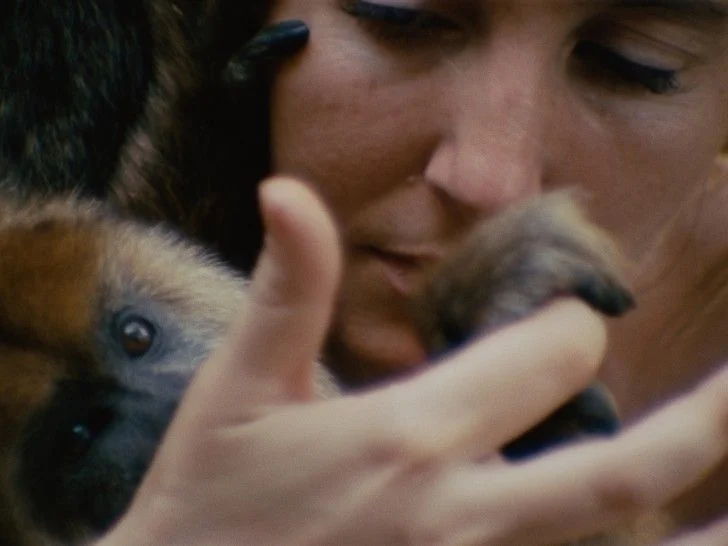
The film highlights the construction of sound, using close-up shots to emphasize specific audio elements.
For instance, sounds associated with a camel and ongoing construction work are intentionally amplified to heighten the sensory experience.
Rinland also incorporates archival footage to provide a historical view of how zoos and animal shelters have changed over time.
The use of 16mm footage is noted as a visually striking aspect of the film.
The documentary delves into the complex relationship between humans and animals in controlled environments, questioning simple divisions between species.
Read More: The Devil's Rain 4K release sparks debate on cult status

Exploring the Human-Animal Dynamic
"Collective Monologue" investigates the often-overlooked devotion of zoo workers to the animals they care for.
The film pays tribute to the dedication and sincere commitment of these staff members to their "wards."
It aims to create a sensory experience that examines the bond between humans and animals, without claiming innocence for either party.
The narrative also touches on broader themes, such as the belief that nature is created for human control.
The film suggests that these workers foster a bond with the animals that goes beyond superficial distinctions.
Conservation and Artistic Vision
Beyond its focus on individual zoos, "Collective Monologue" also touches on larger issues of conservation and the future of animal care.
The film observes a community of zoos and animal rescue centers in Argentina.
It explores the histories of these institutions and the continuous efforts of staff to care for the animals.
Rinland's work is framed within her broader artistic journey, including past film festival experiences and future projects.
Expert Insights and Perspectives
The documentary has been presented at various film festivals, including the San Sebastian Film Festival and events like the TIFF (Toronto International Film Festival).
"Here, as throughout Collective Monologue, Rinland pays tribute to the devotion of the workers, to their sincere commitment to their wards." - Harvard Film Archive
"Intimately observing a community of zoos and animal rescue centres across Argentina, Jessica Sarah Rinland’s second feature refutes the simple boundaries between human and non-human." - Student Pages
Findings and Future Directions
"Collective Monologue" presents a nuanced portrayal of life within zoos and animal rescue centers. It emphasizes the dedicated work of keepers and the deep connections they form with animals. Through its blend of contemporary observation and historical context, the film encourages viewers to consider the multifaceted nature of human-animal relationships in these environments.
Read More: Orangutan Mothers Plan Playdates for Babies in Borneo
The documentary’s artistic use of sound and visual elements aims to immerse the audience in the sensory experience of the zoo.
It raises questions about our relationship with the natural world and the ethics of animal captivity.
Sources:
Latinolife: Collective Monologues (2024) by Jessica Sarah Rinland
Link: https://www.latinolife.co.uk/articles/collective-monologues-2024-jessica-sarah-rinland
Context: Review providing details on the film's production and sound design.
HUNGRY 416: TIFF 2024: Collective Monologue Movie Trailer
Link: https://www.hungry416.com/tiff-2024-collective-monologue-movie-trailer/
Context: Announcement of the film's trailer and its thematic elements, including archival footage and the human-animal bond.
San Sebastian Film Festival: Ikusmira Berriak – Collective Monologue
Link: https://www.sansebastianfestival.com/2020/sectionsandfilms/ikusmiraberriak/7/682139/in
Context: Description of the film's narrative, focusing on the interactions between zookeepers and the development of their camaraderie.
Harvard Film Archive: Collective Monologue (2025-02)
Link: https://harvardfilmarchive.org/calendar/collective-monologue-2025-02
Context: Program note discussing the film's exploration of zoo workers' devotion and the human-animal relationship.
Student Pages: Journey into the “Collective Monologue”: A Filmmaker’s Exploration of Zoos and Conservation
Context: Article discussing the filmmaker's perspective on zoos, animal bonds, and conservation.
Sharingful: Watch Collective Monologue
Link: https://www.sharingful.com/uk/catalog/movie/898335-collective-monologue
Context: Film description highlighting the dedication of workers and the bonds formed in zoos and rescue centers.

:max_bytes(150000):strip_icc()/MORTAL-KOMBAT-II-LEWIS-TAN-050826-f54556c368f34929b0ed2ea7f658c792.jpg)
:strip_icc()/GettyImages-688951857-586d7be13df78c17b6e3a3cb.jpg)


