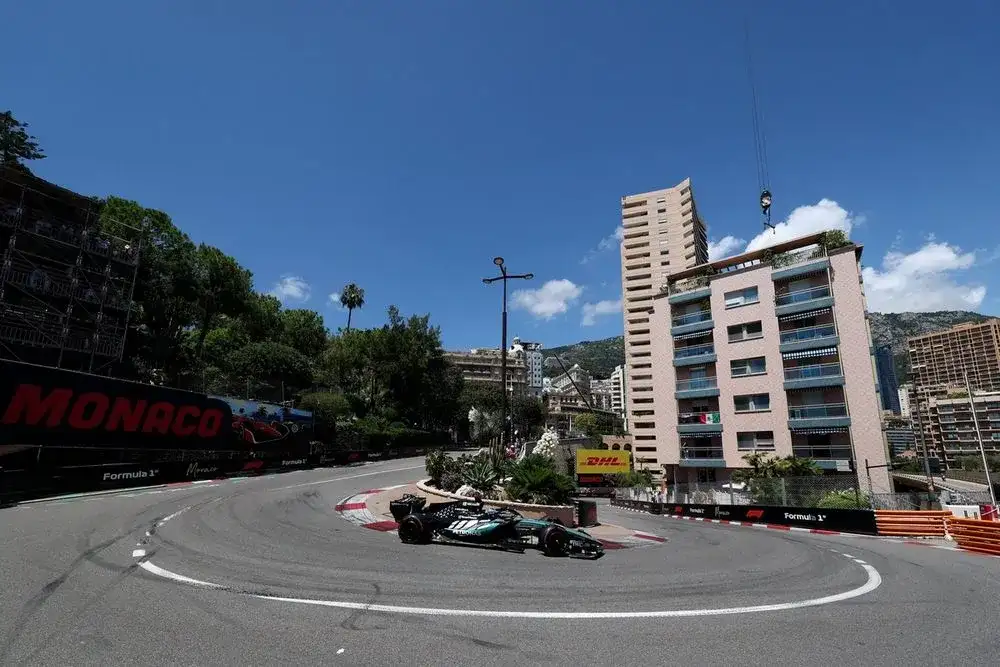
The governing body of Formula 1 has quietly shelved a rule concerning active aerodynamics for the upcoming Monaco Grand Prix. This decision, made with little fanfare, directly curtails a system that Mercedes had reportedly been leveraging, potentially disrupting their recent surge in performance. The timing of this rule alteration, just before a race where strategic innovation often plays a crucial role, raises questions about fairness and the competitive landscape.
The FIA's abrupt decision to prohibit active aerodynamics at the Monaco Grand Prix effectively neutralizes a technological advantage that Mercedes had seemingly mastered. This move, ostensibly aimed at maintaining a level playing field, arrives with little explanation, leaving teams to adapt on the fly. The impact on George Russell, who had been benefiting from the system, is immediate, as his team’s engineered edge is now nullified.
Read More: George Russell Struggles: 43 Points Behind Teammate Antonelli
Russell's Investigation Blown Off Course
Sources indicate that George Russell was a key beneficiary of the now-illegal aerodynamic trick employed by Mercedes. The team had apparently found a way to exploit the active aerodynamics, which allows for on-the-fly adjustments to the car's wings for optimal downforce and drag. With the rule change specifically targeting this capability for the Monaco circuit, Russell’s recent string of competitive performances, at least in part attributed to this technology, faces an uncertain future. The investigation into the legality of Mercedes' approach has, in essence, become moot due to the regulatory shift.
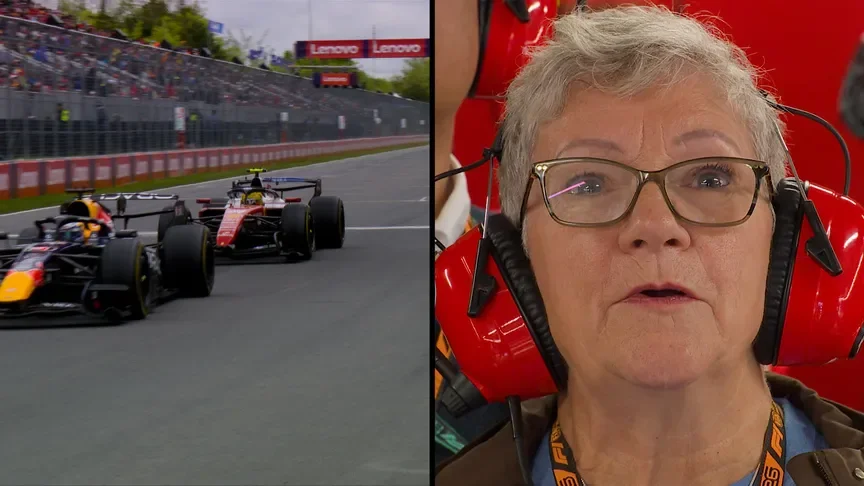
The F1 season is far from settled, with ongoing developments across various teams. Discussions surrounding driver futures and potential team strategies are rife, from whispers of Mercedes potentially selling shares in Alpine to the speculation about Max Verstappen's next move. However, the immediate concern for Mercedes and Russell is navigating the Monaco circuit without their newly acquired, and now forbidden, aerodynamic advantage. The focus now shifts to traditional setup and driver skill on one of the sport's most demanding tracks.
Read More: Kimi Antonelli Takes Pole for 2026 Monaco Grand Prix
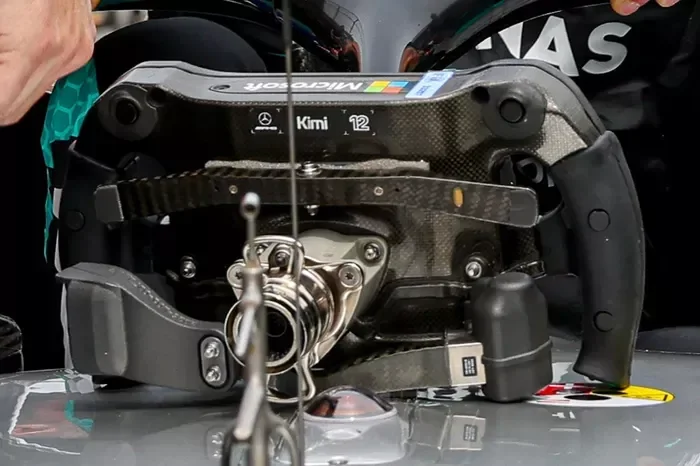
Background Whispers and Anticipated Clashes
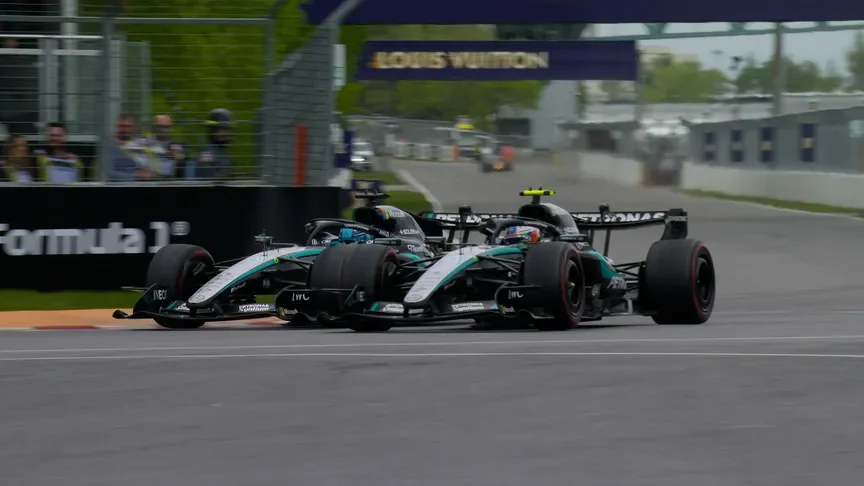
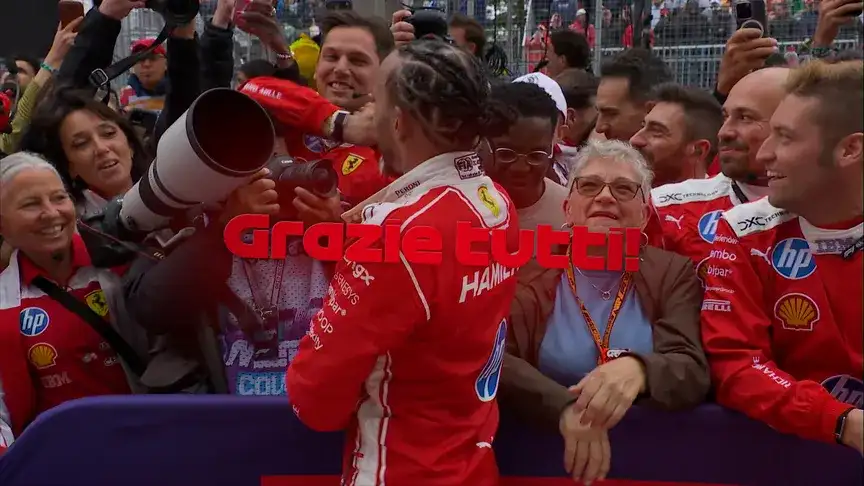
The 2026 Canadian Grand Prix saw a notable battle between George Russell and Kimi Antonelli, highlighting a potential rivalry within Mercedes. While this duel itself was a point of interest, the underlying technological developments are now being re-examined. Reports suggest Lewis Hamilton, now with Ferrari, secured a strong result at the same Canadian event, underscoring the diverse competitive narratives unfolding.
Further complicating the F1 milieu are rumors and declarations from prominent figures. Fernando Alonso remains steadfast in his belief of being the premier driver, while the FIA president, Mohammed Benetton, has expressed a desire to remove term limits for his position. The intricate dance of sponsorships, driver development, and technical regulations continues to shape the sport, with the Monaco Grand Prix poised to be a significant test of adaptability for all involved. The exclusion of active aerodynamics, a relatively new development, serves as a stark reminder of the ever-shifting ground within Formula 1.
Read More: Lewis Hamilton Tops Monaco Practice, Faces Dual Team Support Questions