Underlying Concerns Surface Amidst Team's Struggles
Formula 1's 2025 season has presented a complex landscape for Ferrari, a team historically synonymous with success. Reports indicate a season marked by performance deficits and strategic hurdles, prompting scrutiny of the team's operational capacity and long-term outlook. Questions have arisen regarding the efficacy of their car's design, particularly its rear-end aerodynamics, and the impact of these technical limitations on race day outcomes. Furthermore, statements from key figures suggest internal pressures and a strategic direction that is under examination by both stakeholders and observers.

A Season Defined by Technical and Strategic Setbacks
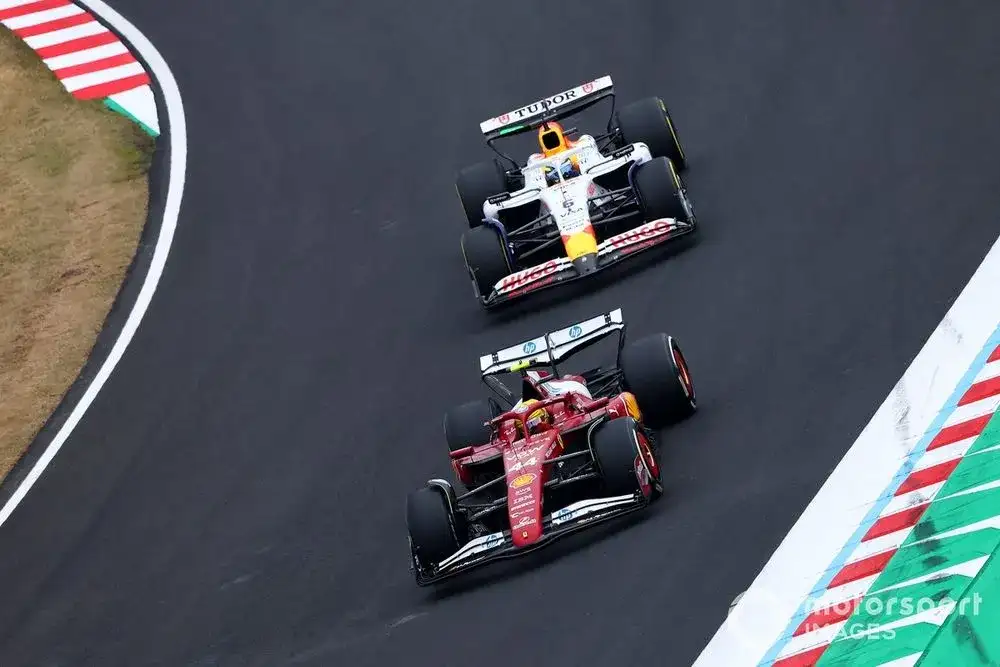
The 2025 Formula 1 season has seen Ferrari grapple with a series of challenges, impacting their competitive standing and strategic execution. Pre-season testing in Bahrain highlighted novel aerodynamic solutions on the Ferrari car, specifically a rotating rear wing, which drew attention for its unique design aimed at improving airflow. However, the season has also been characterized by an admission from driver Lewis Hamilton that "rear-end issues" have constrained Ferrari's progress. These issues were cited as a contributing factor to his seventh-place finish at the Japanese Grand Prix, a result compounded by the absence of a safety car, which had been a key element of Ferrari's planned strategy.
Read More: George Russell Struggles: 43 Points Behind Teammate Antonelli
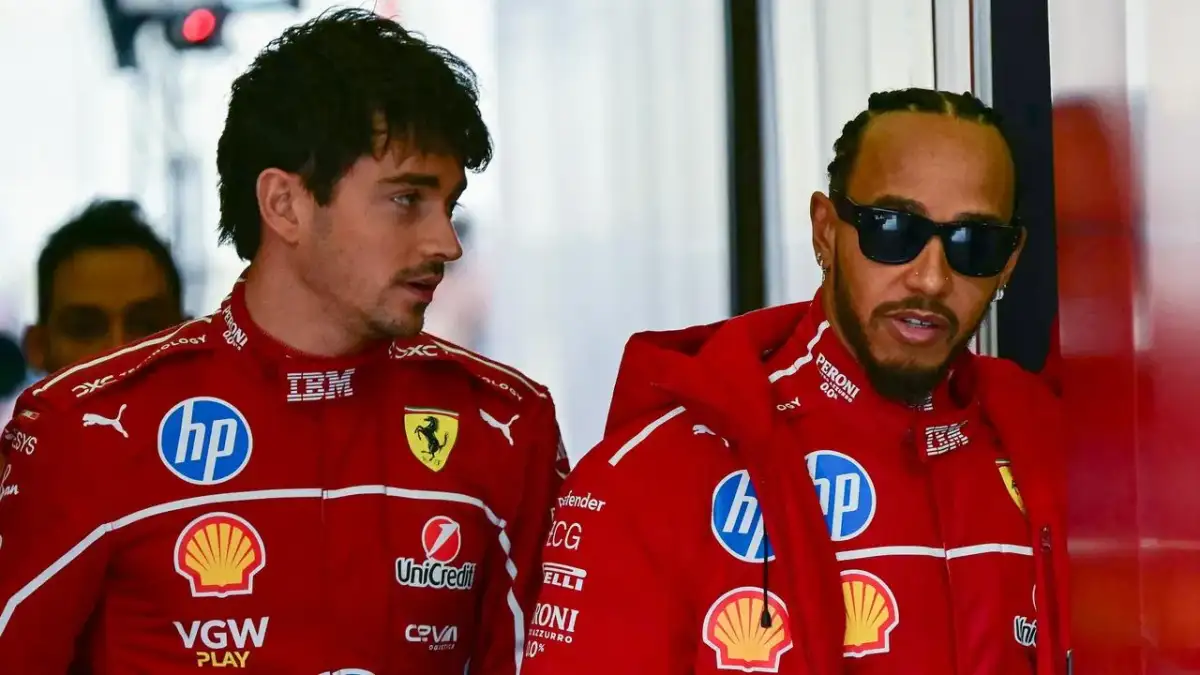
Car Performance: Lewis Hamilton has publicly acknowledged that "rear-end issues" have hindered Ferrari's performance. This suggests ongoing technical challenges with the car's design and stability.
Strategic Dependence: The Japanese Grand Prix underscored Ferrari's reliance on specific race scenarios, such as the deployment of a safety car, to optimize their strategy. The lack of such an event negatively impacted their race outcome.
Competitive Gap: Reports from the latter half of the season, such as after the Singapore Grand Prix, indicated that Ferrari's current pace leaves them trailing rivals Red Bull and Mercedes. This has led Lewis Hamilton to concede that the team is behind its main competitors.
Scrutiny of Ferrari's Technical Innovations and Design Philosophy
Ferrari's approach to car design has come under particular examination. The introduction of a rotating rear wing during pre-season testing in Bahrain was noted for its unconventional nature, appearing to create a greater gap between the top and bottom of the wing, a departure from the traditional "mailbox" opening of F1 rear wings on straights. While this innovation aimed to enhance aerodynamic efficiency, its overall impact on performance and its contribution to the noted "rear-end issues" remain a subject of discussion.

Aerodynamic Solutions: The team experimented with a unique rear wing design, observed during pre-season testing.
Potential Drawbacks: The effectiveness and consequences of this design choice are implicitly questioned in light of admitted performance limitations.
Internal Pressures and Leadership Narratives
The season has also been marked by public statements from Ferrari leadership that have been interpreted as critical. The chairman, in particular, has been quoted with strong language, such as "'Not now. Not ever'," which has been seen as a stark indication of dissatisfaction with the team's current standing. These pronouncements, alongside observations of a "brutal truth" behind the team's struggles, suggest an environment of intense pressure and a public acknowledgment of shortcomings.
Read More: Christian Horner to Attend 2026 British Grand Prix
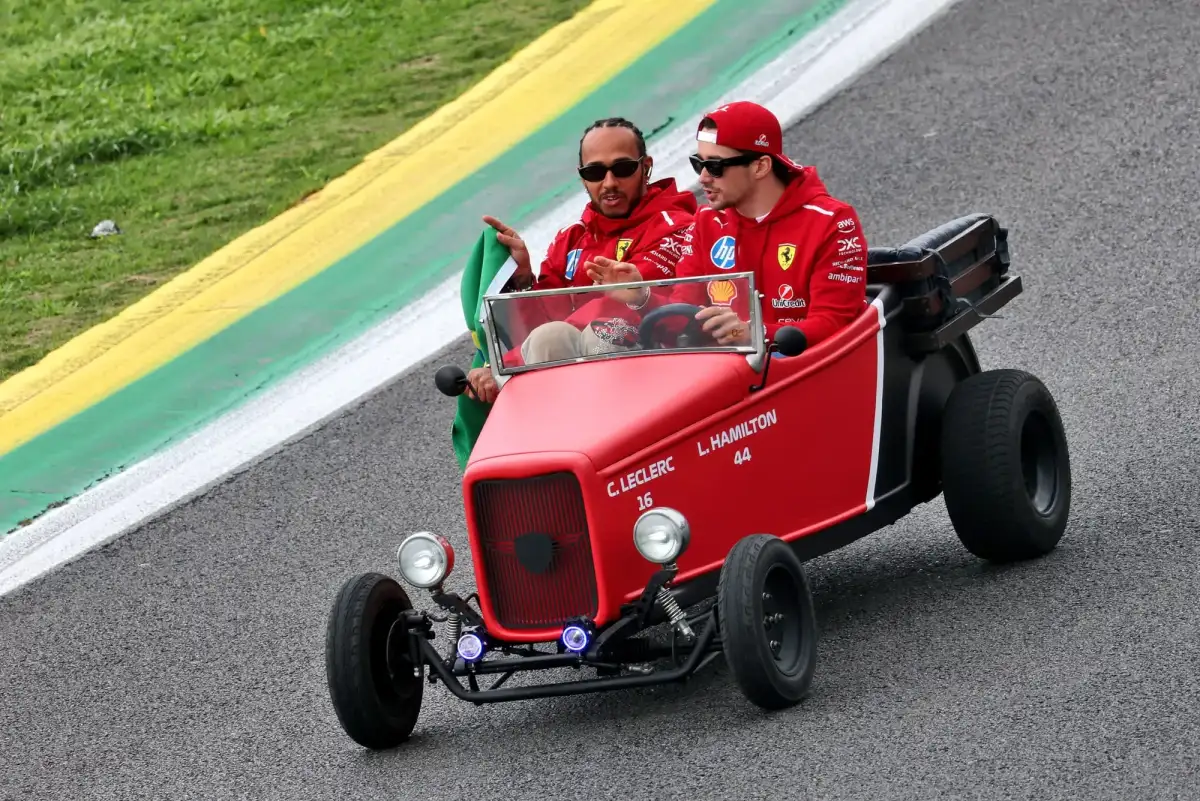
Chairman's Statements: Remarks attributed to Ferrari's chairman have conveyed a strong sense of urgency and disappointment.
Team Culture: The perception of Ferrari as a "violent" team in its approach to managing shortcomings has been noted.
Echoes of Past Issues: Concerns have been raised that the current leadership narrative might echo past patterns of underperformance and internal conflict at Ferrari.
Driver Perspectives on Performance Limitations
Drivers within the Ferrari camp have offered candid assessments of the team's challenges. Charles Leclerc, following the Singapore Grand Prix, described feeling like "passengers to the car," indicating a lack of control and performance feedback. Lewis Hamilton, besides citing rear-end issues, has also pointed to qualifying as a significant weakness for Ferrari. His statements suggest that improving performance on Saturdays is critical for the team to better its overall race results. The need to "fix their qualifying" has been identified as a key area for improvement, with the team and its drivers facing the challenge of turning practice sessions into competitive advantages.
Read More: Kimi Antonelli Takes Pole for 2026 Monaco Grand Prix
Charles Leclerc's Assessment: He expressed a sense of detachment from the car's performance, feeling like a passive observer rather than an active controller.
Lewis Hamilton's Focus: He identified qualifying as a primary weakness, highlighting the need for improvement on Saturdays.
Strategic Importance of Qualifying: The team's hopes for better results are seen as potentially hinging on enhancing their performance during qualifying sessions.
Conclusion: Navigating a Complex Season
The 2025 Formula 1 season presents Ferrari with significant challenges, extending beyond the track to encompass team dynamics and strategic direction. Technical limitations, particularly those related to the car's rear-end aerodynamics, appear to be a persistent concern, impacting both driver confidence and strategic execution. Public commentary from leadership underscores the intensity of internal pressures, while driver feedback points to specific areas of weakness, such as qualifying performance. The team's ability to address these multifaceted issues will be crucial in determining their trajectory for the remainder of the season and their future competitiveness.
Key Sources:
ABC News: "Quick hits: F1 politics, safety worries and Ferrari's stunning rear end" (Published: 6 hours ago) - https://www.abc.net.au/news/2026-02-21/f1-preseason-test-bahrain-ferrari-red-bull-mclaren-mercedes/106370550
Motorsport.com (via AOL): "Lewis Hamilton admits rear-end issues held back Ferrari progress as no safety car killed strategy" (Date of Publication not specified, seen on AOL) - https://www.motorsport.com/f1/news/lewis-hamilton-admits-rear-end-issues-held-back-ferrari-progress-as-no-safety-car-killed-strategy/10710468/
Fox Sports Australia: "‘Not now. Not ever’: F1’s killing season with no end as public smackdown reveals brutal truth" (Published: Nov 17, 2025) - https://www.foxsports.com.au/motorsport/formula-one/ferraris-chairmans-stunning-smackdown-reveals-painful-truth-behind-f1s-fallen-giant/news-story/d50a5877a4aa1d3072237e45cd1bbff0
Sky Sports: "United States GP: What can Ferrari salvage from rest of 2025 season amid renewed pressure from Mercedes, Red Bull?" (Published: Oct 15, 2025) - https://www.skysports.com/f1/news/12433/13449426/united-states-gp-what-can-ferrari-salvage-from-rest-of-2025-season-amid-renewed-pressure-from-mercedes-red-bull
The Race: "Ferrari president hits out at F1 drivers as cracks show" (Published: Nov 10, 2025) - https://www.the-race.com/formula-1/talk-less-elkanns-bizarre-driver-message-and-ferrari-criticism/
Sportskeeda: "Lewis Hamilton concedes defeat to rivals Red Bull and Mercedes as he accepts Ferrari's rear-end 'limitations'" (Published: Oct 5, 2025) - https://www.sportskeeda.com/f1/news-lewis-hamilton-concedes-defeat-rivals-red-bull-mercedes-accepts-ferrari-s-rear-end-limitations
Destination Formula 1: "Carlos Sainz opens up on his Ferrari axe, Williams 'family' and F1 politics" (Published: Jul 22, 2025) - https://destinationformula1.com/news/driver-spotlight-carlos-sainz-opens-up-on-his-ferrari-axe-williams-family-and-f1-politics/