


The United States labor market unexpectedly lost 92,000 jobs in February, a stark departure from economists' forecasts predicting an increase of 55,000 positions. This marks the third instance of job contraction in the past five months, injecting a significant dose of uncertainty into the economic outlook. The February data, released by the Bureau of Labor Statistics, also revealed downward revisions to previous months' figures. January's job gains were adjusted from an initial 130,000 to 126,000, while December's estimated addition of 48,000 jobs was revised to a contraction of 17,000.

SECTORS SEE DECLINES AMIDST BROAD WEAKNESS
Several key sectors contributed to the February job losses. The healthcare sector shed 28,000 jobs, leisure and hospitality lost 27,000, and construction saw a decrease of 11,000 positions. Manufacturing also experienced a downturn, losing 12,000 jobs, contrary to predictions of a modest gain. Private payrolls, in aggregate, decreased by 86,000 jobs, falling short of expectations for an increase of 65,000.

While some sectors showed growth, such as financial activities (+21,000), transportation and warehousing (+18,000), and social assistance (+11,000), these gains were overshadowed by the broader contraction. The retail sector also reported a decline, with 6,000 fewer workers.

UNEMPLOYMENT RATE TICK UP, FED UNDER SCRUTINY
The unemployment rate edged up to 4.4% in February, coinciding with a fall in the labor force participation rate. This confluence of job losses and rising unemployment is likely to draw closer attention from the Federal Reserve as they deliberate on future interest-rate decisions, with the next announcement scheduled for March 18. Analysts suggest that while easing borrowing costs could potentially bolster the labor market, the current data injects considerable ambiguity into the economic trajectory.
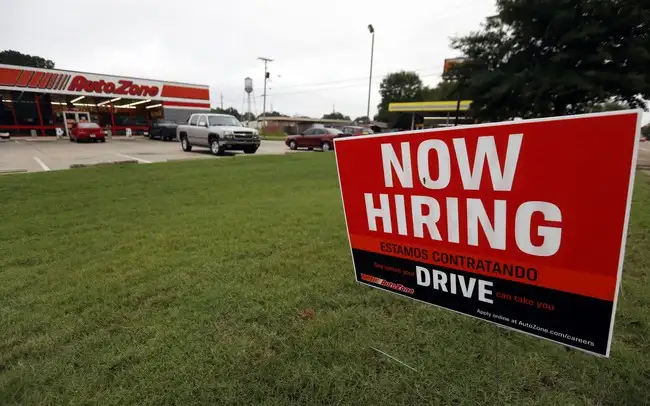
REVISIONS POINT TO LESS ROBUST GROWTH THAN REPORTED
The pattern of downward revisions to past job reports suggests that the labor market's performance in recent months may not have been as robust as initially indicated. This trend, coupled with the February contraction, could prompt a more cautious stance from policymakers, particularly in light of global events such as the ongoing 'Iran war', which analysts believe could dampen consumer and business spending through increased oil prices.
BACKGROUND
The Bureau of Labor Statistics regularly revises its jobs reports to incorporate more comprehensive data. These adjustments, while standard practice, can sometimes alter the perceived strength or weakness of the labor market retrospectively.
In a separate analysis, data indicated a significant year-over-year job loss among foreign-born workers, totaling 519,000, while native-born workers reportedly gained 128,000 jobs. This distinction, however, did not factor into the official headline figures for the February report.
Disruptions such as recent strike activity, which affected the healthcare sector and concluded on February 23, are noted to have a temporary impact, with a projected boost expected in the March jobs report. Reports of significant layoffs in various industries, including those linked to efforts by figures like 'Elon Musk', also contribute to the complex picture of the current employment landscape.