Secretly Classified Documents Surface, Sparking Scrutiny
FBI Director Kash Patel has initiated an internal review of documents designated "prohibited access," a classification that has kept records hidden even from many within the bureau and entirely from congressional oversight. A task force has been assigned to examine this extensive archive of historically concealed information, with some of these files already being forwarded to Congress. This move by Patel, aimed at promoting transparency, has instead highlighted a deep-seated issue of secrecy within the FBI's record-keeping systems.
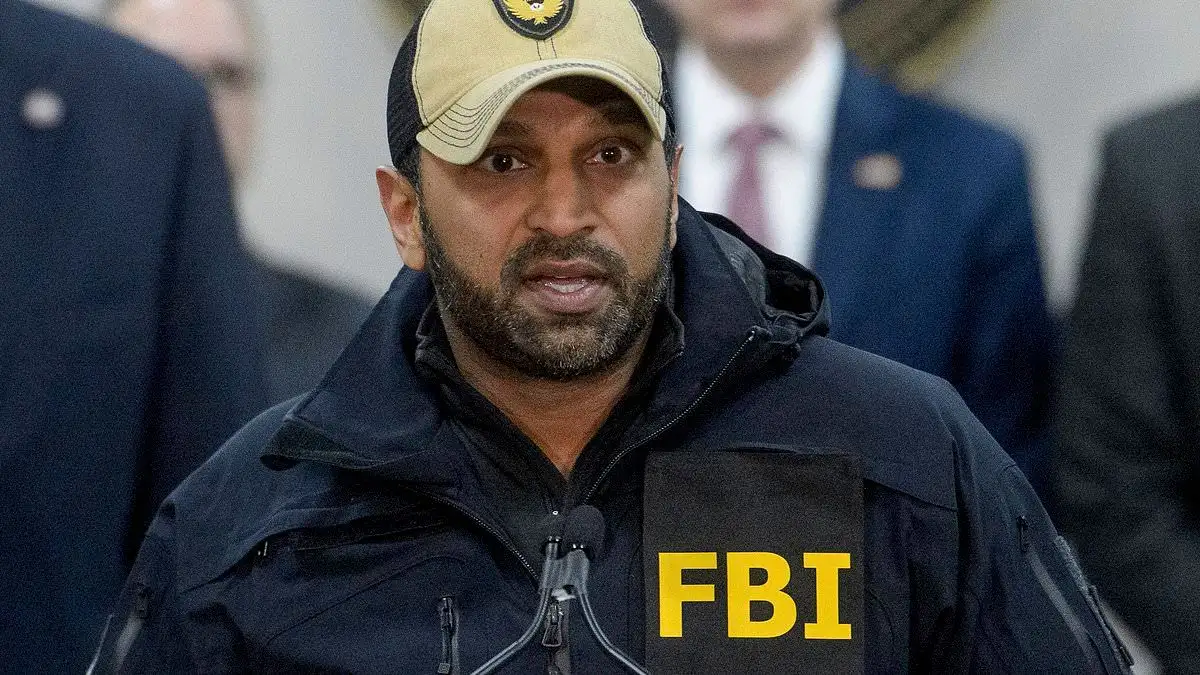
The existence of these "prohibited access" files, alongside revelations from declassified documents and investigations by Senate Judiciary Committee Chairman Chuck Grassley, points to a troubling capacity within the FBI's 'Sentinel' system to obscure or potentially delete information deemed unfavorable to the bureau's interests. Attorneys are now keenly interested in whether these hidden records might shed light on previously contentious cases, including those involving Hillary Clinton's emails, the 'Crossfire Hurricane' investigation, and the Hunter Biden laptop.
Read More: Acting DNI Pulte Fires Dozens of Intelligence Officials Starting Thursday
Unveiling Hidden Records and Missing Information
Kash Patel's discovery reportedly includes thousands of documents linked to the 'Russia investigation,' sealed in "burn bags" within a clandestine room at the FBI. These materials are understood to contain the classified annex from former Special Counsel John Durham's final report, detailing the intelligence underpinning the FBI's probe into Donald Trump's 2016 presidential campaign. While President Trump has expressed support for releasing such information, he has also voiced past frustrations about the FBI's handling of it.

Compounding these revelations, a significant number of FBI records appear to be absent from the publicly released Epstein files. A review by CNN indicates that out of approximately 325 FBI witness interview records detailed in an evidence log for Ghislaine Maxwell's associates, more than 90 are not present on the Department of Justice's Epstein files website. Among the missing documents are interviews with individuals who have made accusations of abuse, including one woman who also accused President Trump of sexual assault.
Read More: FBI Analysts Review Georgia 2020 Election Data in Fulton County

Broader Concerns of Surveillance and Information Control
Further fueling concerns about the FBI's practices, Senator Grassley's oversight work has revealed that the FBI, under the Biden administration, allegedly targeted eight Republican senators as part of the 'Arctic Frost' investigation. This probe also reportedly encompassed 92 Republican-affiliated individuals and groups. Whistleblower disclosures suggest that the FBI obtained government cell phones belonging to President Donald Trump and former Vice President Mike Pence during this investigation, gaining access to call metadata, including timing, duration, and general location.
The Department of Justice, in its release of Epstein files, has stated it has met its legal obligations under the Epstein Files Transparency Act. However, they continue to withhold documents involving violence or attorney-client privilege. The DOJ maintains that being mentioned in these files, which contain unvetted submissions and private correspondence, does not imply wrongdoing.
Read More: New York City Mamdani Administration Fights for 9/11 Records
The overarching pattern suggests a complex and often opaque system for managing sensitive information within the FBI. The discovery of "prohibited access" files and apparent gaps in other crucial record releases underscore the persistent challenges in achieving genuine transparency and robust oversight of the nation's primary investigative agency.