Shadows of the Past, Fumbles of the Present
The latest reimagining of Fatal Frame II: Crimson Butterfly lands on modern platforms with updated visuals and a renewed focus on its central narrative, yet struggles to reconcile its atmospheric dread with contemporary gameplay conventions. While the game excels at deepening the player's connection to the twin sisters, Mio and Mayu, and the tragic lore of Minakami Village, its core mechanics, particularly combat, often devolve into a tedious exercise.
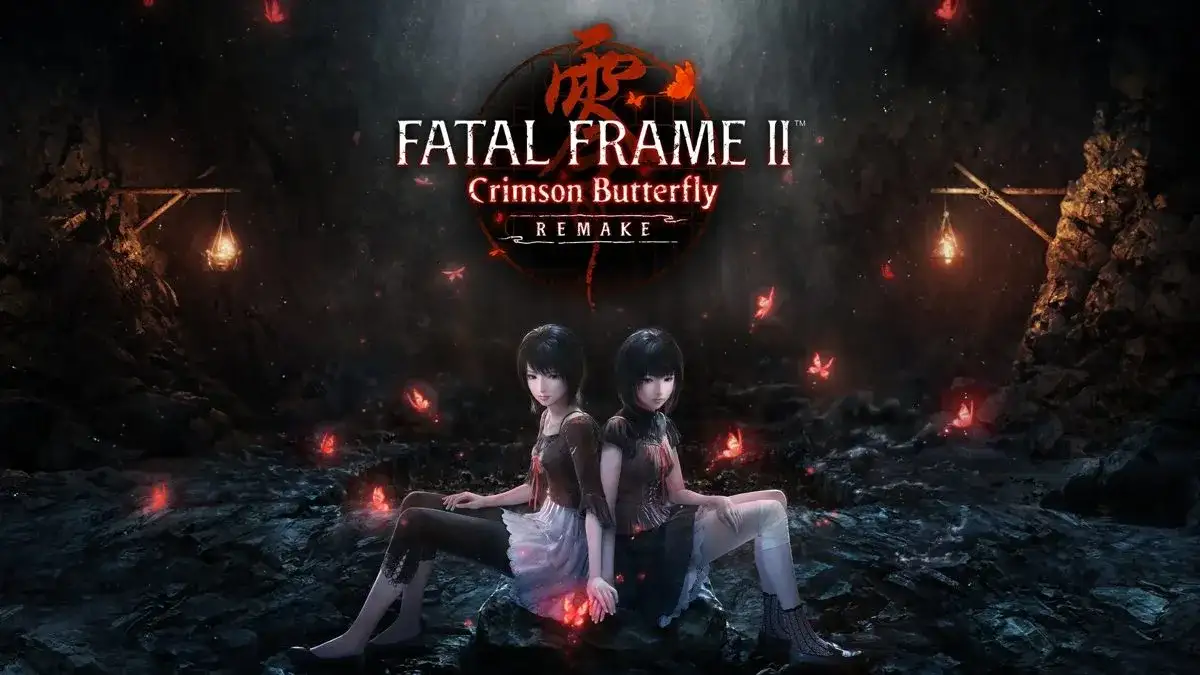
The emphasis on the sisters' bond is frequently highlighted as a strong point. Developers have reportedly expanded upon these interactions, offering mechanics that underscore their reliance on each other as they navigate the cursed locale. This narrative reinforcement, coupled with enhanced sound design that builds palpable tension, is seen as a significant success in preserving and even amplifying the game's inherent fear. New chase sequences requiring players to hide from threats add a layer of vulnerability.
Read More: Street Fighter 6 Year 4 Pass adds Tifa and 3 new fighters in 2026
Gameplay's Double-Edged Lens
The central gameplay loop—using the Camera Obscura to photograph and damage ghosts—remains the game's defining feature. However, reviewers note a significant disconnect between the intended horror and the player's experience. A perceived lack of feedback in combat leads to much of the action feeling like guesswork, with prolonged ghost encounters becoming frustrating trials of imprecise aiming and ineffective weaponry. Ghosts are reported to possess extended health pools, turning what should be moments of terror into drawn-out, aimless struggles.
Added "Fatal Time" mechanics, meant to offer a decisive offensive advantage, are noted as a potential deviation from the original's more survival-oriented approach. Some critics suggest the remake leans too heavily into combat, potentially at the expense of its horror roots, which were traditionally built on puzzle-solving and atmosphere rather than direct confrontation. This shift is seen by some as transforming a unique horror experience into something more akin to a standard combat-focused game.
Read More: The Devil's Rain 4K release sparks debate on cult status
Technical Polish, Gameplay Gaps
Technically, the Fatal Frame 2 remake receives praise for its overhauled visuals, which are said to further emphasize the game's inherent atmosphere. A new translation is also acknowledged as a positive enhancement. However, beyond these refinements, the amount of substantive new content appears limited, with many suggesting the experience is largely familiar for those who played the original. The game is estimated to take around 12 hours for a normal playthrough, with roughly half the achievements unlockable.
The atmosphere itself is frequently lauded as chilling and anxiety-inducing, a testament to the game's enduring appeal. The developers have apparently retained the core dread that made the original a standout in the survival horror genre. For newcomers, the Fatal Frame II remake is presented as a viable entry point into the franchise, though some feel the original might have been more menacing. The introduction of an "Almighty Quick Dodge" is mentioned as a new feature, though its overall impact on the core experience is subject to interpretation.
Read More: Steam Machine GPU failure causes Red Line of Death on 7 April 2026
Background:
Fatal Frame II: Crimson Butterfly, originally released in 2003, is widely regarded as a cornerstone of the survival horror genre, renowned for its psychological terror and unique combat mechanic. The series has a history of focusing on Japanese folklore and ghost stories. This remake arrives amidst anticipation for other horror titles, positioning itself as a revival of a beloved classic.




/content/opengraph/MTG-Top-10-Best-Commander-Cards-From-Magic-The-Gathering-Marvel-Super-Heroes-MSC-MSH.png)