Thousands in Illicit Gains from Counterfeit Vinyl Operations
A shadow economy is flourishing in the resurgence of vinyl records, with criminals peddling counterfeit discs and reaping significant profits. Investigations have exposed operations generating hundreds of thousands, even millions, of pounds from unauthorized reproductions of popular music.
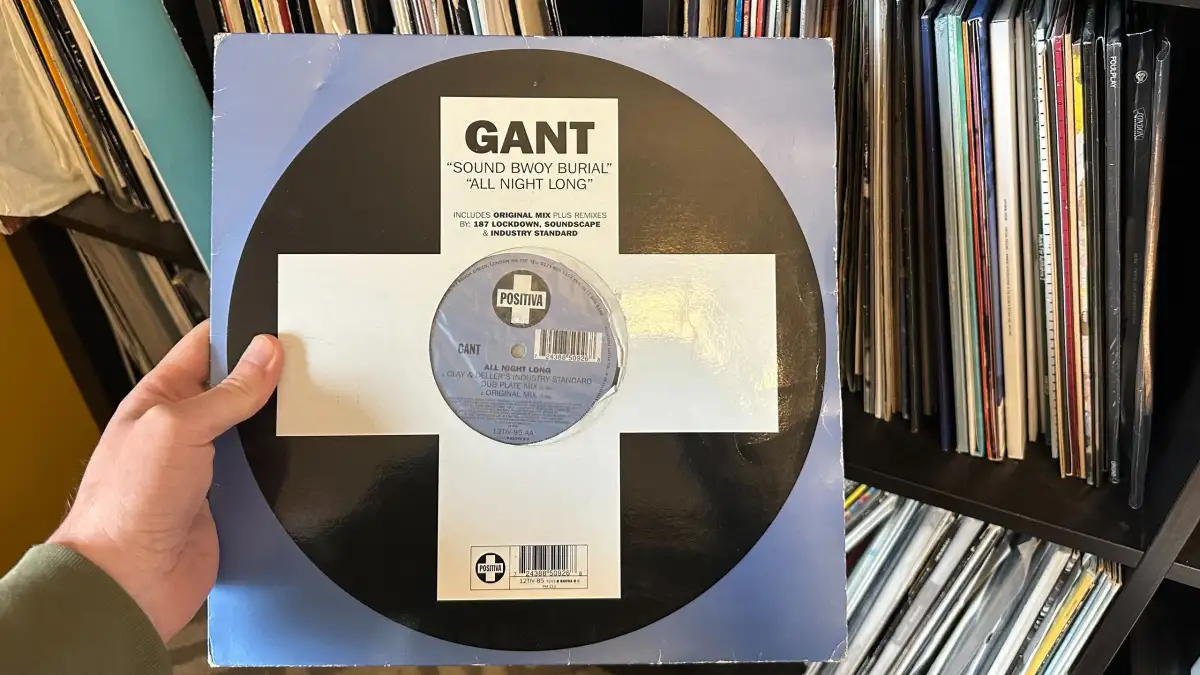
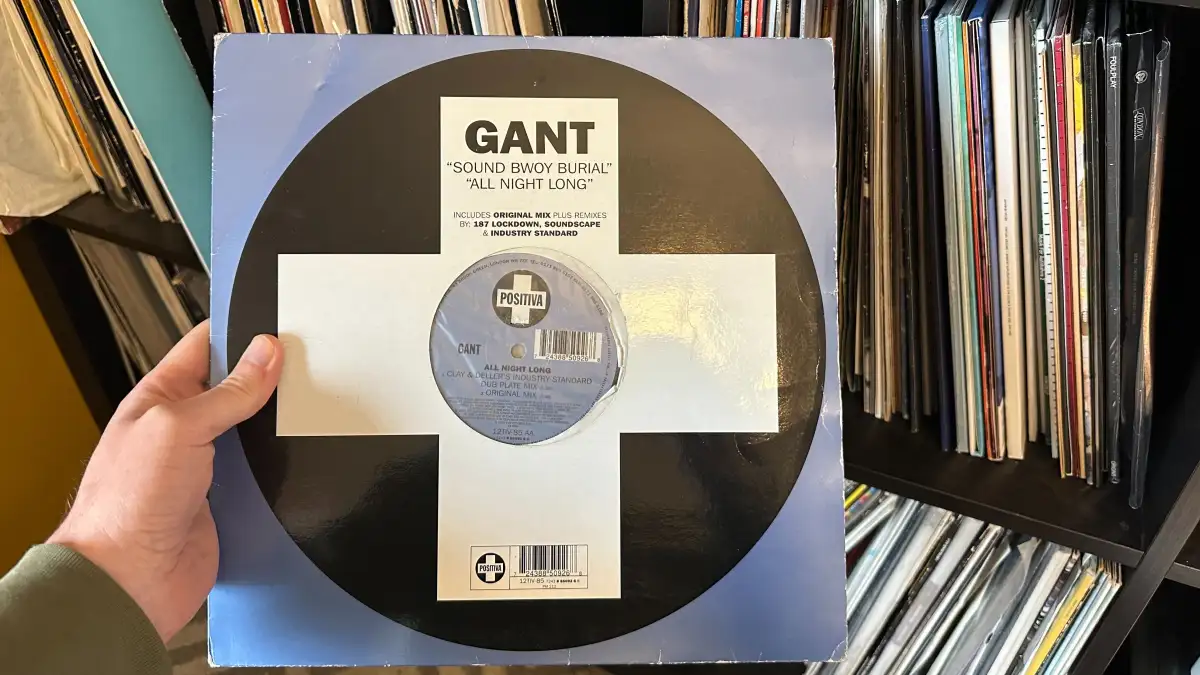
The market for vinyl, experiencing a notable comeback, has become fertile ground for illicit reproductions. These fakes, often indistinguishable at first glance to the uninitiated, are being sold to unsuspecting enthusiasts willing to pay premium prices for authentic pressings. Criminals are exploiting the demand for both rare and in-demand records, creating a lucrative market for "pirate" and "counterfeit" vinyl. Pirate records repurpose existing music onto vinyl with new packaging, while counterfeits meticulously mimic official releases, aiming to deceive buyers with identical covers and labels.
A Case in Point: The £1.2 Million Scam
One high-profile case involved Richard Hutter, who operated through his company Vinyl Groove UK and other online platforms, including eBay. Over a six-year period, Hutter profited substantially from selling thousands of fake vinyl records. His operation came to light when a customer, dissatisfied with the poor sound quality of a Clash record purchased online, demanded a refund. Trading standards officers subsequently uncovered the extent of his activities, leading to his conviction.
Read More: Melbourne Woman Loses $2,000 on Fake Apple Gift Cards at Coles
"Your benefit from your criminal activity over that period of six years was £1,274,222.84p, and I make a confiscation order of £373,589.64p."
Hutter was found guilty of multiple offenses under the Trade Marks Act (1994) and the Copyright, Designs and Patents Acts (1988). Authorities seized evidence that confirmed his distribution of counterfeits.

Identifying the Fakes
Distinguishing genuine vinyl from sophisticated fakes requires a keen eye and careful examination. Key indicators to watch for include:
Missing or Incorrect Information: Counterfeit records often lack detailed information, such as specific matrix numbers etched into the run-out groove.
Poor Audio Quality: Fakes may exhibit distorted, muffled, or generally low-quality sound.
Inconsistencies in Packaging: While counterfeits strive for accuracy, subtle differences in album covers, labels, and overall print quality can be tell-tale signs.
Seller Scrutiny: Online marketplaces present a particular challenge. Checking seller feedback, looking for authentic product photos rather than stock images, and reviewing return policies are crucial steps. Resources like 'Discogs' are valuable for collectors seeking to verify the authenticity of a release.
Global Reach and Industry Response
The issue of counterfeit vinyl is not confined to a single region. Reports indicate a significant number of fake records originating from China, finding their way into markets worldwide. This "plague" impacts not only consumers but also the broader music industry, harming artists, labels, and legitimate retailers who rely on the vinyl revival as a crucial revenue stream. Organizations and industry bodies are actively working to combat this trend, but the persistent demand for hard-to-find records suggests that "secret underground vinyl factories" will likely continue to operate.
Read More: Pressure Washer Mistakes Cost UK Owners More Money