FRAUDSTERS LEVERAGE FAKE 'I4C' NOTICES
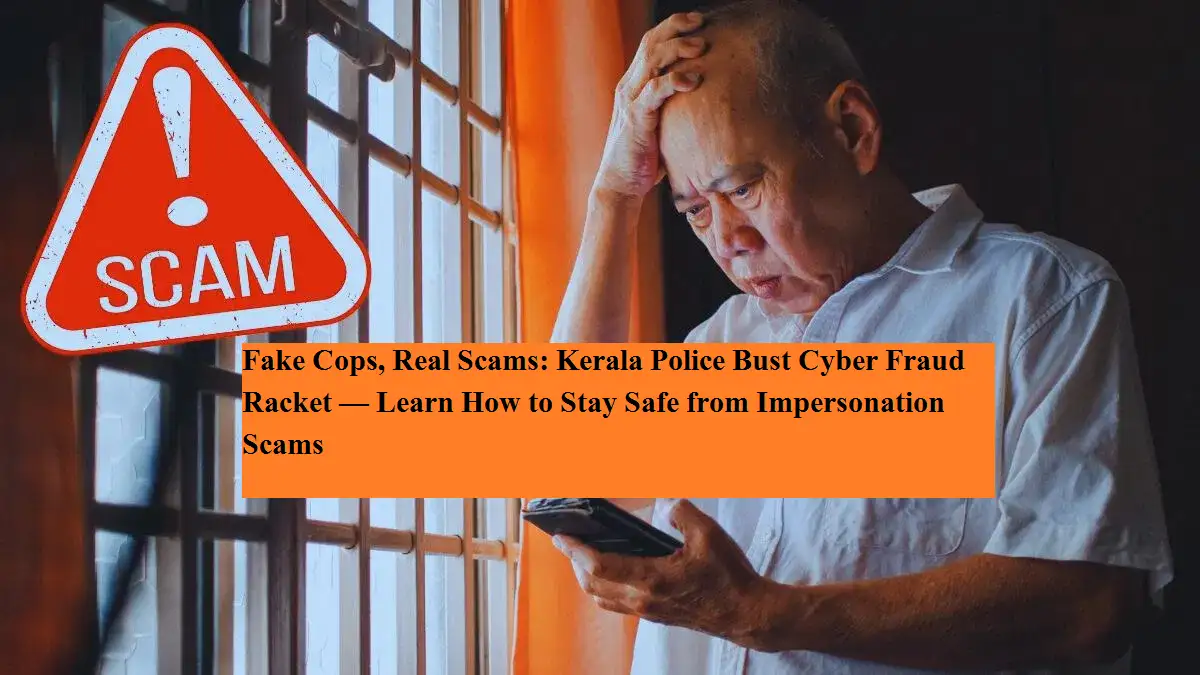
Authorities are flagging a wave of fraudulent notices circulating digitally, purportedly from the Indian Cyber Crime Coordination Centre (I4C). These fabricated documents are employed by cybercriminals to instill fear and extract money from unsuspecting individuals and institutions. The deceptive notices, often delivered via email and WhatsApp, falsely accuse recipients of serious offenses. Allegations range from illegal foreign currency transactions detected through IP addresses to accessing illicit online content, including child pornography.

The scam artists behind these fabrications threaten victims with dire consequences, including:
Arrest warrants
Court proceedings
Registered police cases
To avert these manufactured legal troubles, victims are then coerced into paying money. Police departments, including Kerala Police and national fact-checking units like PIB Fact Check, have explicitly stated that neither government agencies nor law enforcement bodies issue such threatening notices or demand funds through digital messaging platforms.
Read More: California Couple Loses $850,000 to FBI Impersonation Scam

NATIONWIDE PATTERN OF DECEPTION
This digital impersonation scam is not confined to one region. Reports indicate that these meticulously crafted forgeries are exploiting fear across India. The perpetrators aim to appear legitimate, sometimes even impersonating the CEO of the I4C, Rajesh Kumar, in their false correspondence. These fake missives have reportedly targeted a range of entities, including government offices, private individuals, and various organizations, designed to mimic official communication.
OPERATION CY-HUNT HIGHLIGHTS POLICE ACTION
In a broader context of combating digital crime, operations like Kerala Police's Operation Cy-Hunt have exposed the scale of cyber fraud. This operation, conducted across all 20 police districts, led to the registration of 382 cases and 263 arrests within a 12-hour span. The operation specifically targeted organized cybercrime groups involved in various scams, such as online trading frauds, job scams, phishing, investment traps, loan app schemes, and identity theft. The data unearthed during such raids often reveals complex networks for laundering defrauded money, involving bank accounts, ATMs, and designated "mule accounts" used to obscure illicit transactions.
Read More: India IVF Costs And Social Barriers Limit Access In April 2026
PROTECTING AGAINST IMPERSONATION
Official advisories emphasize the importance of vigilance against such impersonation scams. Citizens are urged to:
Report suspicious activity immediately to the nearest police station or cybercrime cell.
Verify the identity of anyone claiming to be an official, asking for full names, badge numbers, and station addresses.
Stay informed about emerging scam tactics by following official police and cyber safety organization updates.
For those encountering suspicious emails or potential cybercrime, reporting mechanisms are available through the National Cyber Crime Reporting Portal or local law enforcement channels. The rise of such sophisticated cyber fraud underscores the evolving nature of criminal activities in the digital age.