

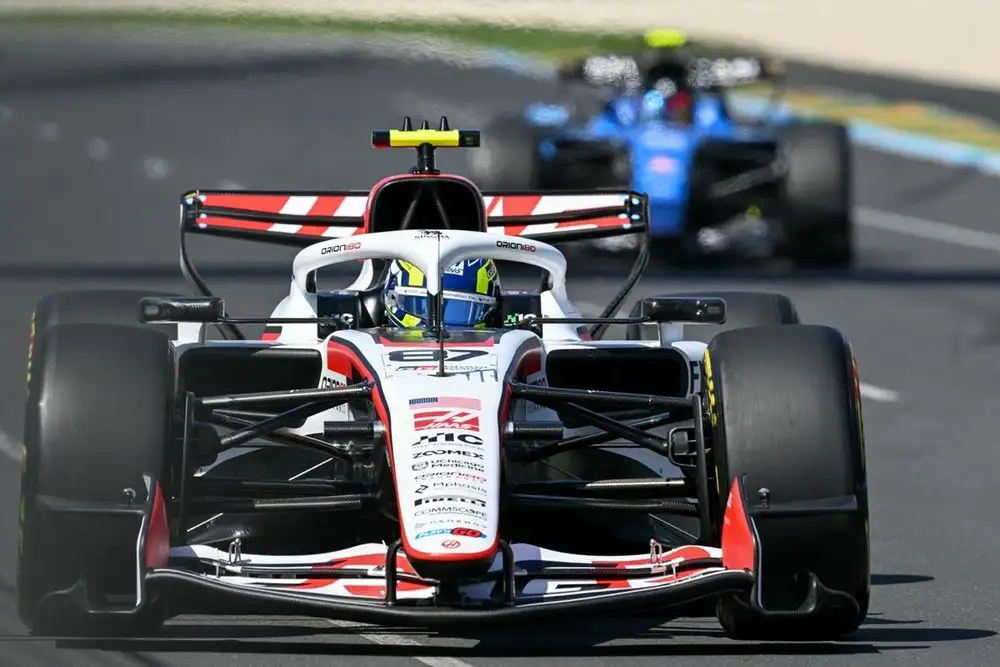
The first qualifying session of the 2026 F1 season in Melbourne ended with a Mercedes front-row lockout and the world champion’s Red Bull in the gravel, validating internal warnings of a structural mismatch between the new cars and the act of qualifying. The 50:50 power split between the internal combustion engine and the battery has forced a harvest-and-deploy cycle that turns the track into a high-speed hazard. Drivers on slow laps are effectively moving obstacles, forced to crawl to recharge batteries, creating what paddock figures describe as a "potential for disaster" regarding traffic management.
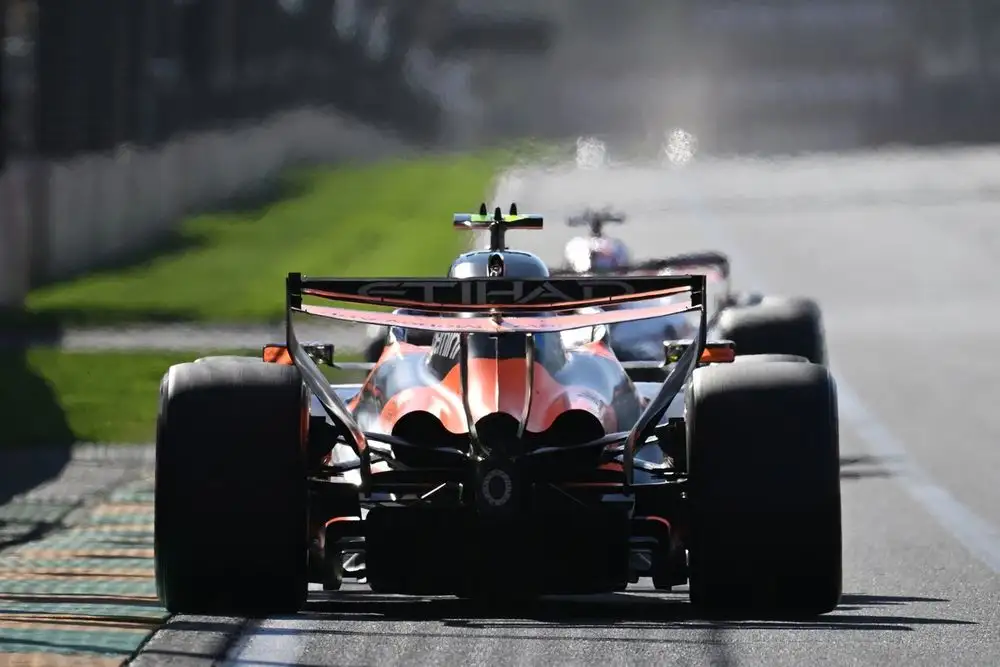
George Russell took pole position with a 1:18.518.
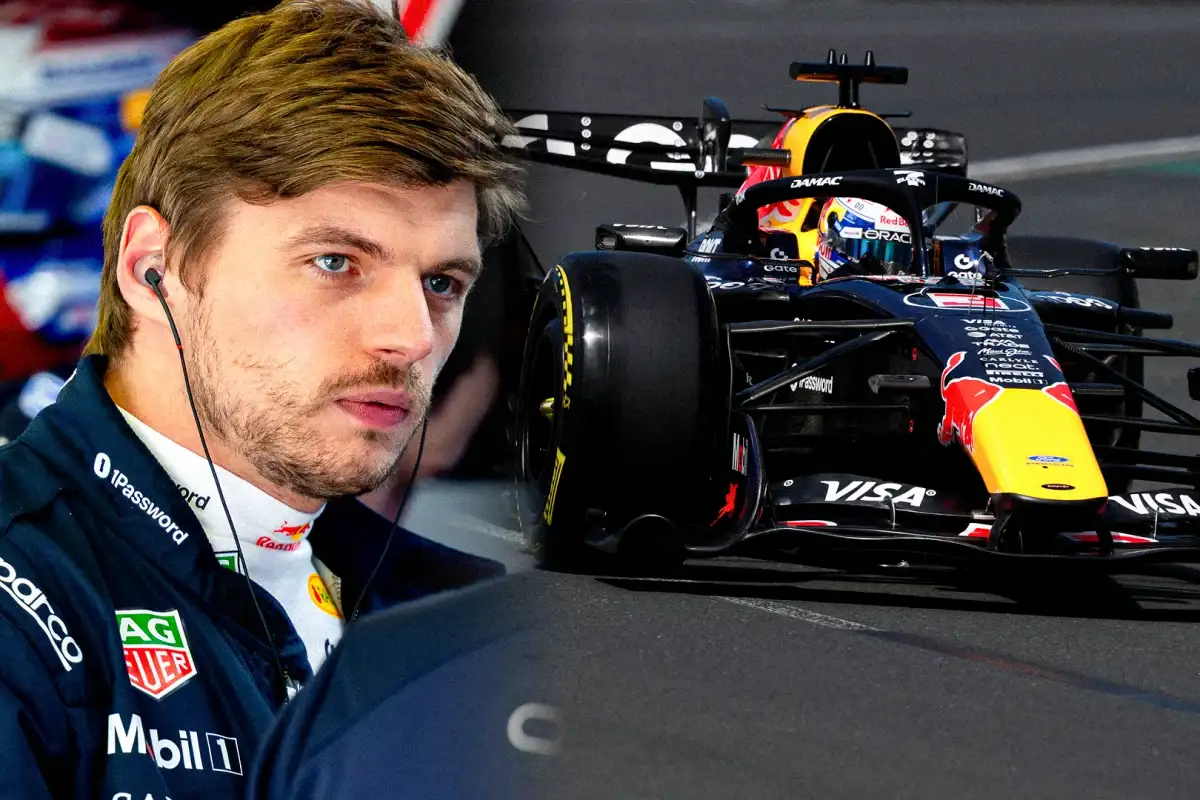
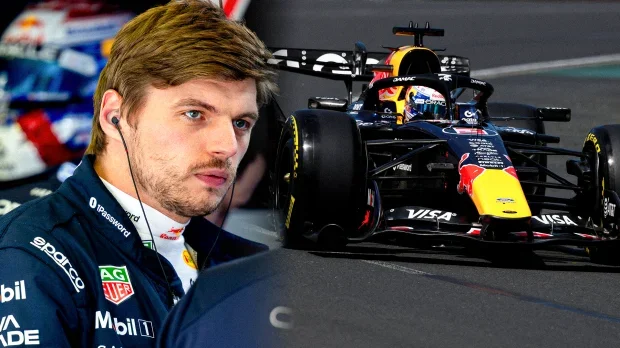
Max Verstappen crashed his RB22 at Turn 1 during Q1, requiring medical X-rays on his hands.
Kimi Antonelli secured P2 despite a massive 17G impact in final practice.
Lance Stroll and Carlos Sainz failed to set times due to machinery failures, leaving them reliant on FIA permission to start the race.
The Battery Bottleneck
The new regulations demand drivers harvest energy aggressively to avoid "derating"—a sudden loss of power—on the main straights. This creates a jagged speed differential between those on a flying lap and those preparing. Lando Norris described the current machinery as "probably the worst" the sport has seen, noting the shift from the high-downforce peak of previous years to the current, stilted power delivery.
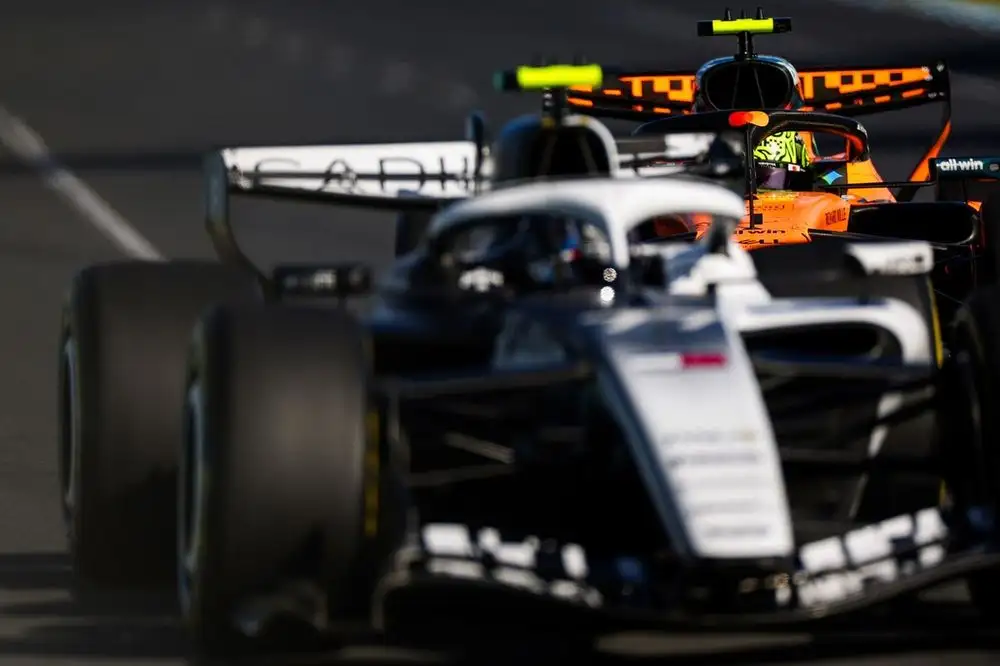
"If you're letting somebody through at the straight where you should be flat out, you're screwed… you’ve got to find out how much that is going to sacrifice tyre preparation."
Qualifying Results & Attrition
The session was defined as much by who failed to finish as by who succeeded. The heavy-handed nature of the 2026 energy rules has punished teams like Aston Martin and Honda, who appear unable to reconcile the cooling and deployment needs of the new power units.
| Driver | Team | Result / Gap | Status |
|---|---|---|---|
| George Russell | Mercedes | 1:18.518 | Pole Position |
| Kimi Antonelli | Mercedes | +0.293 | Front Row |
| Isack Hadjar | Red Bull | +0.785 | P3 |
| Charles Leclerc | Ferrari | +0.809 | P4 |
| Max Verstappen | Red Bull | No Time | Crashed (Q1) |
| Carlos Sainz | Ferrari | No Time | Mechanical |
| Lance Stroll | Aston Martin | No Time | Mechanical |
The "Disaster" Mechanics
The FIA recently attempted to mitigate "lift-and-coast" tactics by tweaking energy recovery limits, yet the fundamental physics of the 2026 cars remain asymmetrical. To achieve one "hot" lap, the cars require significant downtime, leading to extreme "out-lap" tactics. The speed delta on the Albert Park straights has become a safety concern, as drivers cannot simply move out of the way without compromising their own battery's thermal or electrical state.
Mercedes appears to have found a loophole or a superior combustion efficiency that allows for more consistent deployment.
Red Bull's RB22 showed erratic behavior under braking at Turn 1, leading to Verstappen's rare unforced error.
Aston Martin and Honda face a "disastrous" start, with Adrian Newey suggesting the team is in a "hard mental place" due to a lack of spare parts and hardware fragility.
Reflective Context: A Move From Racing to Resource Management
The transition from ground-effect cars to the current formula was intended to simplify the sport, but the reality is a messy, information-heavy cockpit experience. Esteban Ocon remarked that his "head is going to explode" with the volume of new data required to manage the hybrid system. The "purity" of the qualifying lap—a single-minded pursuit of speed—has been replaced by a spreadsheet exercise.
Drivers are no longer just fighting the clock; they are fighting a limited energy budget. The FIA's last-minute changes to "straight mode" and driver guidelines suggest the rulebook is being rewritten in real-time as the cars prove too complex for the existing circuit formats. The Sunday race remains a question of survival rather than a sprint, as teams scramble to ensure their cars can even complete the distance without "nerve damage" to the drivers or catastrophic engine failure.