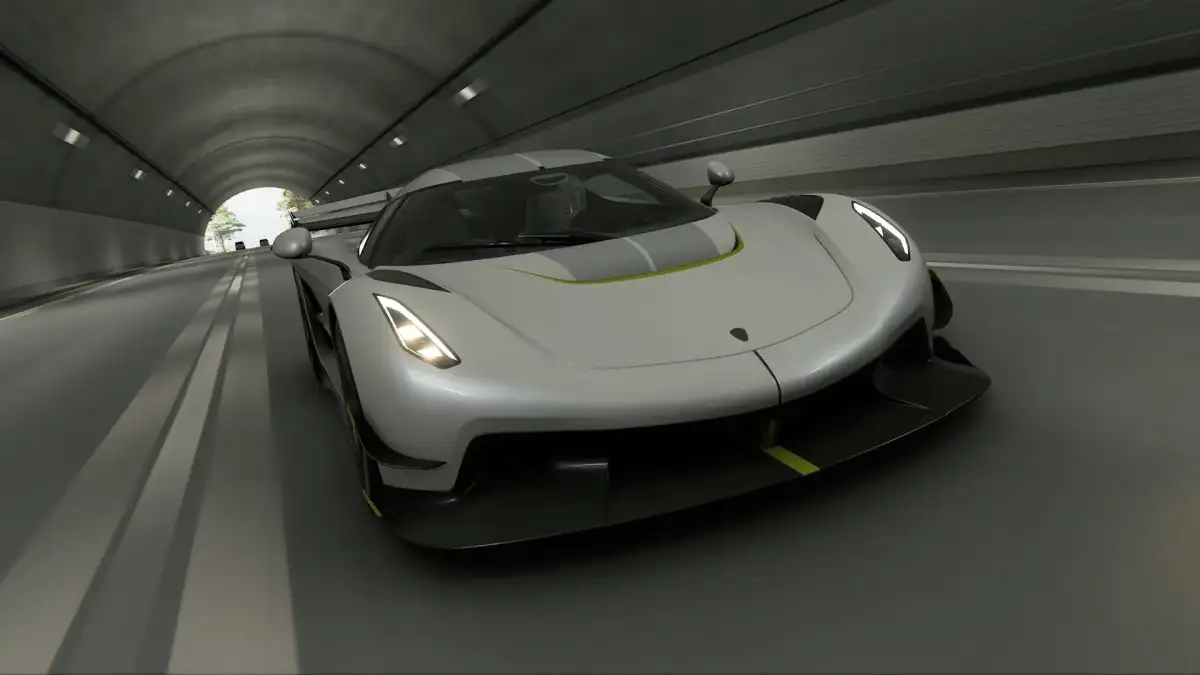
A closer look at whether the enhanced performance and features of top-tier sports cars translate to a superior driving experience, particularly when compared to their less expensive counterparts.
The allure of the flagship sports car is undeniable, with manufacturers often showcasing their most potent and technologically advanced models. These vehicles, typically at the highest trim levels, garner significant media attention, creating an aspirational benchmark for enthusiasts. However, a critical examination reveals that many of these elite features and the ultimate performance ceilings are seldom fully realized on public roadways. This raises a pertinent question: do the substantial price premiums associated with these top trims genuinely equate to a proportionate increase in driving satisfaction for the average user, or do their less extravagant siblings offer a more practical yet equally engaging experience?
Read More: Forza Horizon 6 Car Pass: 30 New Cars Added Weekly
Evolution of Sports Car Trims
For decades, the sports car market has evolved, with manufacturers increasingly offering a tiered approach to their performance models. This strategy allows for a wider range of price points and feature sets, catering to diverse consumer needs and desires.
Historical Context: Traditionally, the distinction between models was primarily engine power and basic creature comforts.
Modern Stratification: Today, the differences extend to sophisticated aerodynamics, advanced suspension systems, bespoke interior materials, and cutting-edge infotainment.
The "Lower Trim" Appeal: Conversely, many performance-oriented models at lower trim levels still offer engaging driving dynamics, often retaining crucial elements like manual transmissions that are sometimes omitted in higher trims.
Performance Realities on Public Roads
The capabilities of high-performance sports cars are often tested and marketed on closed circuits or specialized proving grounds. The very limits that define these top trims present a unique challenge when considered against the backdrop of public road regulations and conditions.
Speed Limitations: Public roads, with their speed limits and variable traffic, rarely permit drivers to explore the extreme acceleration and top speeds that justify the highest performance trims.
Handling Dynamics: While advanced suspension and tire technology in top trims offer superior grip and responsiveness, the nuanced differences may not be readily apparent or safely exploitable in everyday driving scenarios.
Manual Transmission Preference: For many driving purists, the tactile engagement of a manual gearbox is a cornerstone of the sports car experience. It is noteworthy that this option is often more prevalent or even exclusive to lower trim levels.
The Value Proposition of Lower Trims
The argument for the enduring value of less expensive sports car variants is gaining traction among automotive commentators. These vehicles often strike a compelling balance between performance, engagement, and cost.
Core Driving Experience: Lower trims frequently deliver the fundamental exhilaration associated with sports cars – responsive steering, agile handling, and spirited acceleration – without the extraneous technological or luxury accouterments that inflate the price.
Cost-Effectiveness: The financial outlay for a lower-trim model is significantly less, making the sports car dream more accessible. This allows for funds to be allocated to maintenance, insurance, or even performance enhancements that might align better with the owner's intended use.
Uncompromised Engagement: In many instances, the driveability and connection to the road offered by a less adorned model can be considered more visceral and rewarding, particularly when the higher trims' advanced systems are designed to mitigate or mask certain feedback.
Expert Commentary
Automotive journalists and industry analysts have increasingly pointed to the diminishing returns on investment for top-tier sports car trims when assessed for daily usability and public road performance.
Read More: Cheap Phones: How to Avoid Bad Deals on Used and New Phones
"The marginal gains in absolute performance at the top end of the spectrum are often eroded by the realities of public road driving. What you're left paying for are often technologies and capabilities that are best appreciated, and legally utilized, on a racetrack." - Anonymous Automotive Analyst
This sentiment is echoed in reviews that highlight the exceptional quality of lower-trim models. The consensus suggests that the fundamental driving pleasure is frequently present in abundance, irrespective of the trim level.
Conclusion
While top-trim sports cars undeniably represent the pinnacle of a manufacturer's engineering prowess, their elevated price tags warrant careful consideration. The performance advantages, often substantial on paper, are frequently constrained by the limitations of public road use. For many enthusiasts, the core elements of a rewarding sports car experience – engaging handling, spirited acceleration, and driver connection – are robustly present in lower trim models, often at a significantly more accessible price point. The persistence of manual transmission options in these variants further bolsters their appeal to those who prioritize direct mechanical interaction. Therefore, the question of whether the "best" driving experience must come at the highest cost is increasingly being answered in the negative, suggesting that compelling value and profound enjoyment can indeed be found at more modest investment levels within the sports car segment.
Read More: Forza Horizon 6: Most Expensive Cars Cost Up To 70 Million Credits
Sources:
HowToGeek: Article: "Are Top-Trim Sports Cars Still Worth It? Why The Best Driving Experience May Cost Less" - Published: 12 hours ago. URL: https://www.howtogeek.com/are-top-trim-sports-cars-still-worth-it/