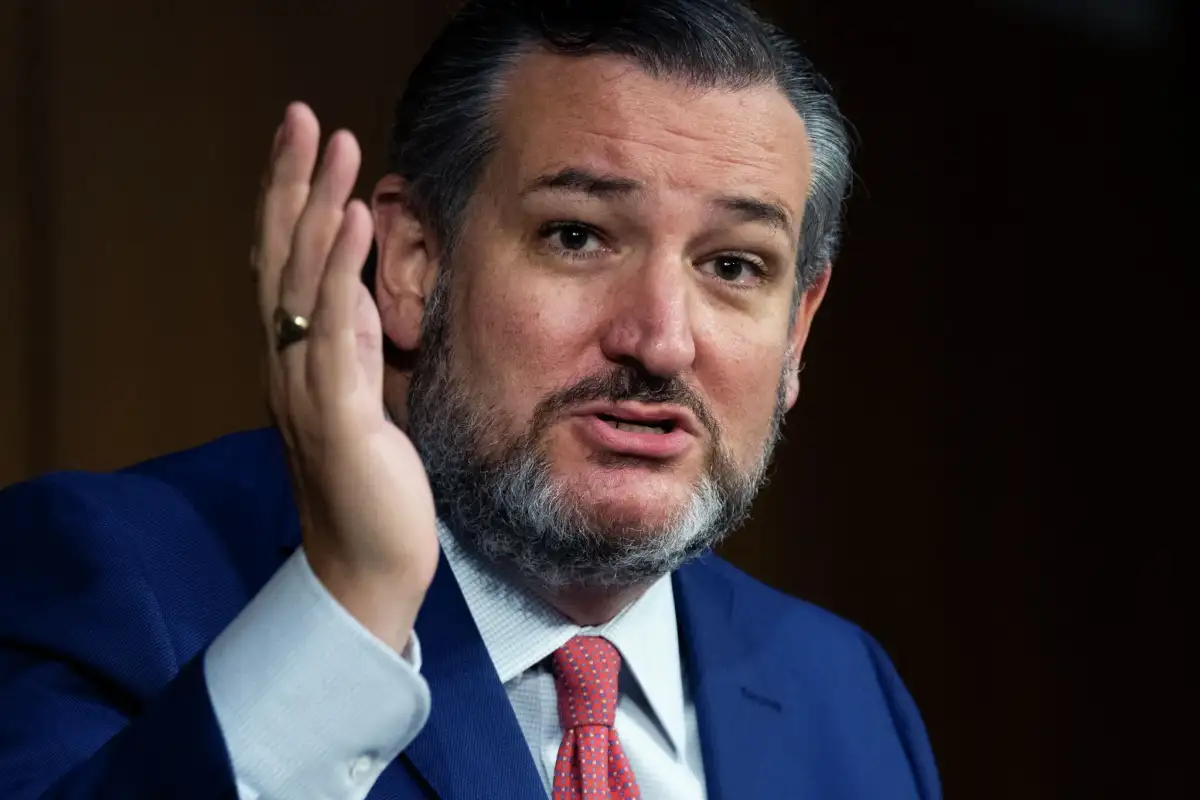
Joe Kent, who resigned as director of the National Counterterrorism Center on March 17, 2026, claims a total consensus existed among the 18 agencies of the United States intelligence apparatus regarding Iran’s nuclear capabilities. In a public statement on The Megyn Kelly Show, Kent asserted that prior to the escalation of the current war, these agencies determined that Iran was not actively pursuing a nuclear weapon.

| Core Assertion | Status |
|---|---|
| Intelligence Consensus | 18/18 agencies found no active nuclear pursuit |
| Official Justification | Contradicts administration war-path rhetoric |
| Employment Status | Resigned post-sidelining by White House |
The signal here is a widening rift between established internal intelligence assessments and the executive narrative justifying the military campaign.

Structural Disconnect and Administration Reaction
The fallout from Kent’s departure reveals a sharp bifurcation in the discourse surrounding the Iran theater. The administration has sought to delegitimize the former official, framing his assessment as a product of perceived weakness rather than objective data.
The White House reportedly attempted to force Kent’s termination before he formally tendered his resignation.
Administration figures have actively distanced themselves from Kent, labeling him a potential security liability and criticizing his internal conduct.
Legislative figures are divided: some factions view his disclosures as necessary for transparency, while others accuse him of leaking classified methodologies.
The Defense Intelligence Agency allegedly conducted battle damage assessments that were reportedly disregarded or re-framed by political actors to sustain the momentum for conflict.
Institutional Memory and Historical Parallels
The current tension invokes a distinct deja vu—a structural echo of the lead-up to the 2003 Iraq conflict. In that historical instance, the reliance on contested or ignored intelligence findings led to a long-term shift in the global security paradigm.
Read More: Law Groups Ask DA Garza to Quit Over Officer Bretches Case in Austin
The resignation of a high-level Intelligence Official is rarely a singular event; it functions as an indicator of an Administrative Sidelining of voices that challenge the predetermined outcome of a military escalation. By removing personnel who serve as institutional hurdles to policy objectives, the executive branch effectively bypasses the Intelligence Consensus designed to prevent "groupthink" and premature Military Engagement. Whether these admissions alter the legislative appetite for war remains an open, unstable variable.