A recent public exchange between former England footballer Eni Aluko and Arsenal legend Ian Wright has brought into sharp focus the dynamics of representation and opportunity within women's football punditry. Aluko has asserted that Wright, a prominent figure in broadcasting, should have leveraged his influence by relinquishing some of his own media commitments to create space for her career advancement. This stance has ignited a broader conversation about allyship, career progression, and the perceived gatekeeping of broadcasting roles in women's sports.
Background of the Dispute
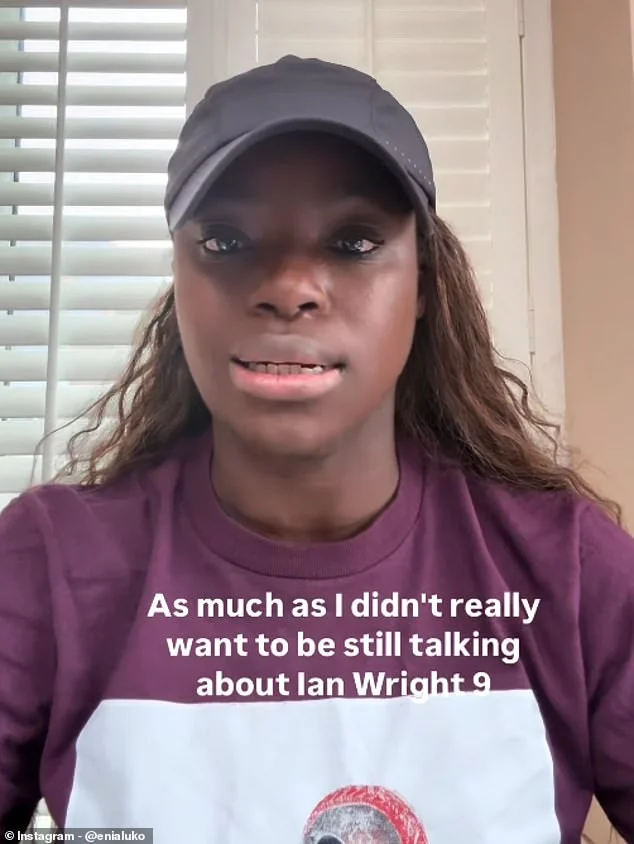
The current friction appears to stem from Aluko's dissatisfaction with her own media appearances, particularly concerning high-profile women's football matches. She has articulated that while she was present and involved in women's football during periods when it was less lucrative, she found herself excluded from major broadcasting panels for significant events, such as the Women's Lionesses final.
Read More: 2026 March Madness Round 2: Where to Watch Games on CBS, TBS, truTV, and Streaming
Aluko stated that she was "sat in the stands" for the Women's Lionesses final coverage on ITV, while Ian Wright, alongside other male pundits like Nedum Onuoha, was part of the broadcast team on BBC and ITV.
She has pointed to a perceived disparity in opportunities, suggesting that individuals with extensive playing experience, such as herself and Fara Williams (collectively holding 290 caps), were overlooked in favour of male commentators for key fixtures.
Aluko has previously accused Wright of "blocking" female pundits from broadcasting opportunities, a claim he has reportedly rejected.
Aluko's Core Assertions
Aluko's primary argument centers on the expectation that prominent figures within the sport, whom she views as allies, should actively facilitate the growth of others.
She explicitly called on Wright to "sacrifice" his broadcasting roles to aid her career, stating, "If you want to grow something, you don't gate keep it."
Aluko has expressed a belief that Wright, whom she referred to as "Uncle", did not sufficiently use his influence to support her during a "difficult time" in her career, questioning his role as an ally.
She has indicated that she is no longer willing to accept the "weaponisation" of Wright's name against her and views his alleged refusal to work with her as "childish."
Counterarguments and Criticisms
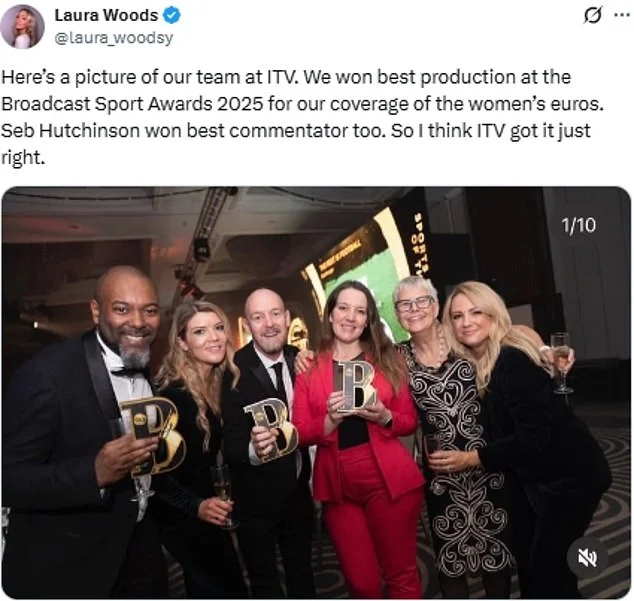
The situation has drawn commentary from other media figures, including presenter Laura Woods, who has voiced criticism of Aluko's approach.
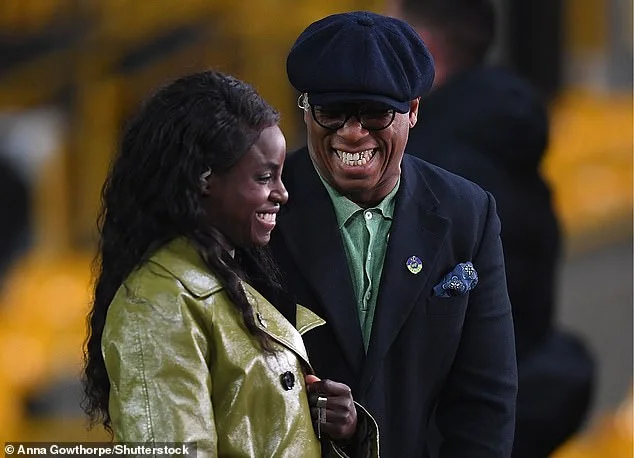
Woods has argued that Aluko's remarks are "dragging women's punditry backwards" and described her views as "damaging."
Woods emphasized that a pundit's success is based on their ability to "communicate, articulate yourself, do your research, inform your audience, how likeable you are and the chemistry you have with your panel."
The argument against excluding men from women's football coverage has been framed as a form of "gate-keeping," with the assertion that such a move would limit the sport's appeal and hinder its growth by discouraging male viewership.
The Question of Sacrifice and Allyship
Aluko's central demand for Wright to make a personal sacrifice highlights a nuanced perspective on allyship within professional spheres.
She implies that true allyship involves tangible actions, such as stepping aside from opportunities, to create pathways for others, particularly during critical career junctures.
Aluko suggests that Wright's continued presence on high-profile panels, while she was not, represents a failure to embody this proactive form of support.
The notion of "sacrifice" implies a voluntary relinquishing of personal gain or opportunity for the perceived greater good of another individual's career or the broader advancement of women in sports media.
Punditry Standards and Gatekeeping
The exchange also touches upon the criteria for successful sports punditry and the dynamics of industry access.
Aluko's frustration appears to stem from a perceived lack of recognition for her extensive playing career when compared to male pundits.
Woods's rebuttal suggests that while experience is valuable, it does not automatically equate to broadcasting competence or secure employment, underscoring the importance of demonstrable skills in communication and analysis.
The term "gatekeeping" is used to describe actions that restrict access to a profession or opportunity, with Aluko accusing Wright of contributing to this by not yielding his positions, while Woods counters that excluding men would be the act of gatekeeping.
Expert Analysis and Public Reaction
Commentary from figures like Simon Jordan has added another layer to the discourse, offering a critical perspective on Aluko's position.
Jordan reportedly described Aluko's stance as "entitlement that would re-sink the Titanic."
He also stated that Aluko "does not come across as particularly likeable" in this context, adding a personal critique to the professional disagreement.
Aluko has accused Laura Woods of "gaslighting" her amidst the ongoing public discourse.
Conclusion and Next Steps
The current situation presents a complex interplay of personal grievances, professional ambition, and broader industry challenges.
Eni Aluko's call for Ian Wright to make career sacrifices highlights her perception of his role as an ally and her frustration with her own media opportunities.
The ensuing debate, involving figures like Laura Woods, underscores differing views on punditry standards, the nature of allyship, and the concept of gatekeeping within sports media.
The public nature of these accusations and counter-accusations suggests a deep-seated conflict that has escalated, impacting Aluko's professional interactions and her standing within the wider sports broadcasting community.
Further developments may involve responses from Ian Wright or continued public commentary from the involved parties, potentially shaping future discussions about diversity and opportunity in sports journalism.
Sources
Daily Mail: Eni Aluko suggests Ian Wright should've GIVEN UP some punditry jobs to aid her career and accuses him of not being an 'ally' by making the 'sacrifice' in her latest swipe at Arsenal legend - Published 1 hour ago - https://www.dailymail.co.uk/sport/football/article-15545025/Eni-Aluko-suggests-Ian-Wright-shouldve-GIVEN-punditry-jobs-aid-career-accuses-not-ally-making-sacrifice-latest-swipe-Arsenal-legend.html
Daily Mail: Laura Woods turns on 'damaging' old friend Eni Aluko for 'dragging women's punditry backwards' in feud with Ian Wright after her attacks on BBC and ITV - Published 1 day ago - https://www.dailymail.co.uk/sport/football/article-15541789/Laura-Woods-Eni-Aluko-feud-Ian-Wright-BBC-ITV.html
Metro: Eni Aluko says Ian Wright should 'sacrifice' his job on TV for her - Published [Date not specified, assumed recent] - https://www.metro.co.uk/2026/02/10/eni-aluko-says-ian-wright-sacrifice-job-tv-26810129/
Goal.com: Eni Aluko bites back at Laura Woods with fresh statement as feud over Ian Wright's punditry continues - Published 16 hours ago - https://www.goal.com/en/lists/eni-aluko-bites-back-laura-woods-fresh-statement/blt819408415af8af38
Daily Star: Eni Aluko attacks Ian Wright yet again as Laura Woods row gets personal - Published 13 hours ago - https://www.dailystar.co.uk/sport/football/eni-aluko-ian-wright-woods-36696372
Express: Eni Aluko goes after Ian Wright yet again while she gets personal in Laura Woods row - Published 13 hours ago - https://www.express.co.uk/sport/football/2168831/eni-aluko-ian-wright-laura-woods
Daily Mail: Eni Aluko claims she hasn't had any work with Wright since criticising him - Published 2 days ago - https://www.dailymail.co.uk/sport/football/article-15540319/Eni-Aluko-Ian-Wright-refusing-work-apology.html
Mirror: Eni Aluko's fresh attack on Ian Wright, Laura Woods response, personal shots - Published 13 hours ago - https://www.mirror.co.uk/sport/football/news/eni-aluko-ian-wright-woods-36696355
Daily Mail: Eni Aluko and Simon Jordan caught in furious row mid-advert break on talkSPORT as he says her 'entitlement that would re-sink the Titanic' and she accuses Laura Woods of 'gaslighting' - Published 14 minutes ago - https://www.dailymail.co.uk/sport/football/article-15545593/Eni-Aluko-Simon-Jordan-caught-furious-row-mid-advert-break-talkSPORT-says-entitlement-sink-Titanic-accuses-Laura-Woods-gaslighting.html?ito=1490&nscampaign=1490
Independent: Eni Aluko hits out at Ian Wright and Laura Woods as punditry row continues - Published 14 hours ago - https://www.independent.co.uk/bulletin/sport/eni-aluko-ian-wright-laura-woods-punditry-b2917051.html
Liverpool.com: Eni Aluko accuses Ian Wright of 'disrespect' as soccer feud reignites - Published 1 day ago - https://www.liverpool.com/premierleague/eni-aluko-accuses-ian-wright-33388962
ESPN: Eni Aluko accuses Ian Wright of 'disrespect,' Laura Woods hits back - Published 1 day ago - https://www.espn.co.uk/football/story//id/47875319/eni-aluko-ian-wright-laura-woods-childish-feud-continues
GiveMeSport: Eni Aluko Doubles Down on Ian Wright Criticism in New Eight Minute Rant - Published 1 day ago - https://www.givemesport.com/eni-aluko-ian-wright-disrespectful-new-videos/
Goal.com: Eni Aluko aims ANOTHER dig at Ian Wright in new rant over BBC & ITV pundit selection for Lionesses games as Laura Woods responds - Published 2 days ago - https://www.goal.com/en/lists/eni-aluko-aims-another-dig-ian-wright-new-rant-over-bbc-itv-pundit-selection-lionesses-games-laura-woods-responds/bltb470223ad0a3d68d
Mirror: Eni Aluko fires at Laura Woods and makes Ian Wright claims as row gets personal - Published 15 hours ago - https://www.mirror.co.uk/sport/football/news/eni-aluko-laura-woods-row-36695648
Mirror: Eni Aluko reveals ITV's reason for 'snubbing her and prioritising Ian Wright' - Published 20 minutes ago - https://www.mirror.co.uk/sport/football/news/eni-aluko-itv-ian-wright-36697950
Mirror: Eni Aluko reignites Ian Wright feud with 'disrespect' claim after public fallout - Published 1 day ago - https://www.mirror.co.uk/sport/football/news/eni-aluko-ian-wright-itv-36691341