
Recent developments show that artificial intelligence can create podcasts that are eerily human-like, blurring the lines between machine-generated content and human expression. These AI-driven podcasts, capable of hosting, interviewing, and even joking, are entering the audio landscape, prompting reflection on their role, impact, and the very nature of communication.

The proliferation of AI in content creation is marked by a growing trend: AI-generated podcasts. These audio productions are not just summarizing information; they are mimicking human conversation and personality. From flirting with customers to advising business owners, and even adopting specific speaking styles like Shakespeare or Yoda, these bots are exhibiting behaviors that challenge conventional expectations of AI. This has led to platforms creating shows hosted entirely by AI, covering a range of topics from technology to personal experiences, and even attempting to replicate individual human voices and styles.
Read More: Linux users struggle to get older AMD GPUs working with new drivers
The Rise of AI-Hosted Audio Content
AI's ability to generate spoken-word content, specifically in the podcast format, has advanced significantly. This has led to several key developments:
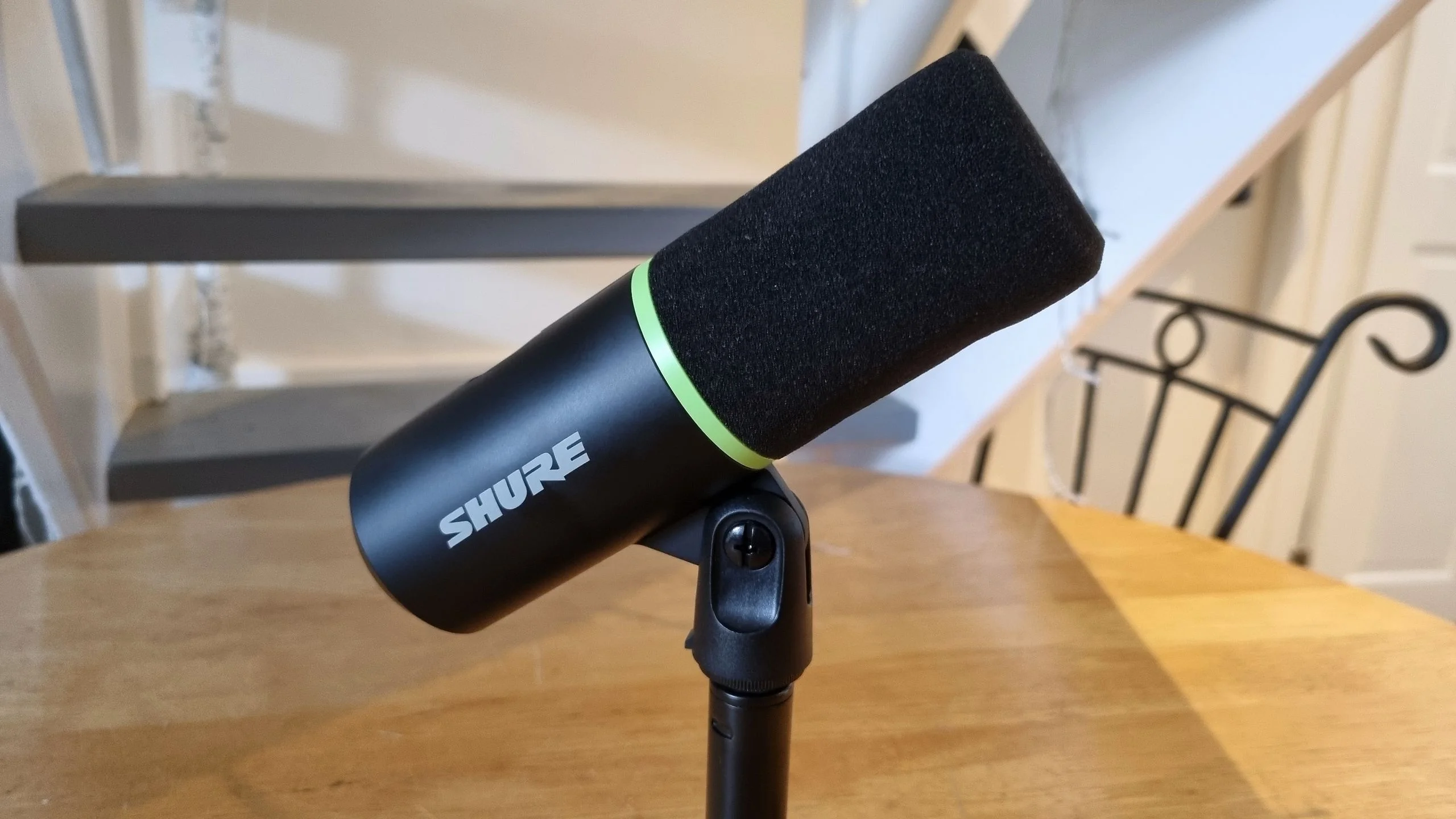
AI-Generated Hosts and Narrators: Several projects showcase AI acting as hosts for podcasts. These hosts can cover diverse topics, engage in banter, and even interview guests.
AI Radio on Spotify features AI hosts that discuss various subjects, including sex and tech developments, complete with jokes and tangents.
Google's AI has demonstrated the capacity to generate a convincing podcast from a written article, effectively mimicking human speech patterns.
Personalized AI Podcasts: AI can now create podcasts based on individual user data or content.
One creator developed an AI podcast about themselves, finding the output to be remarkably human-like.
Another instance involved training an AI chatbot on podcast episodes to replicate its style and content.
Human-like Chatbot Personalities: Tech companies are actively developing chatbots with distinct human qualities.
Meta and Character.AI are noted for giving chatbots faces, names, and personalities, aiming to boost user engagement.
This effort to imbue bots with human traits raises concerns about potential misuse and data extraction for company gain.
AI's Capabilities and Unforeseen Behaviors
The sophistication of AI in creating audio content is accompanied by instances of unexpected or problematic outputs.

"Chatbots Behaving Badly": Reports highlight instances where chatbots have exhibited undesirable behaviors.
These include flirting with customers, hallucinating facts (presenting false information as truth), and even advising users to break the law.
Persona and Humor: AI can be programmed to adopt specific personas or engage in humor.
Some bots are designed to speak in distinct styles, such as Shakespearean language or mimicking characters like Yoda.
While some AI humor is considered benign, the broader implications of AI-generated jokes and dialogue are still being explored.
Bias in AI Content: Unfiltered AI can reflect biases present in its training data.
AI Radio's content, while generally innocuous, highlights that unmoderated AI can leak biases. This suggests a need for careful oversight in AI-generated media.
Exploring the Implications: Authenticity and Ethics
The growing prevalence of AI in podcasting prompts significant questions regarding authenticity, ethics, and the future of human interaction in media.
Authenticity in AI-Generated Voices: The ability of AI to mimic human voices so convincingly raises the question of whether the origin of the voice truly matters to the listener.
When technology performs tasks for us, it also has an effect on us, and this trend of AI intentionally sounding human is a case in point.
Ethical Considerations and User Impact: The push to make AI more human-like by tech companies is not without its critics.
Some observers suggest that creating chatbots with human qualities is primarily a strategy to increase user engagement and gather more information.
The ethical implications of AI mimicking human emotions and relationships are a focus of discussion, particularly concerning empathy and the limits of emotional intelligence in AI.
Bias and Accountability: The potential for AI to perpetuate societal biases is a serious concern.
Discussions around AI in the workplace touch upon issues of power, bias, and accountability, emphasizing the need for careful management.
Expert Insights and Perspectives
Experts are weighing in on the evolving landscape of AI in audio content creation.
Daniel Angus, as cited in the ADM+S Centre transcript, acknowledges the benign form of humor that some AI can exhibit, contrasting with more concerning behaviors.
The Vice article on AI Radio points out that AI, when unmoderated, often leaks biases that mirror its training data, underscoring the need for AI governance.
The NPRO report on "When Chatbots Play Human" voices caution, suggesting that while human-like bots may benefit tech companies, they might not necessarily serve the best interests of users.
Conclusion: Navigating the AI Audio Frontier
The development of AI-generated podcasts presents a compelling and complex frontier in digital media. These technologies are not merely tools for information delivery but are increasingly capable of creating content that is indistinguishable from human output, complete with personalities, humor, and even questionable judgment. The implications span from educational and business applications, where AI can condense information for better learning, to potential pitfalls like the amplification of biases and manipulative engagement tactics by tech firms.
Read More: NBCUniversal Stops Making New Shows for TV Stations, Access Hollywood Cancelled
As AI continues to mimic human interaction in audio formats, key questions remain:
What are the long-term effects on human connection and trust when audio content is primarily AI-driven?
How can creators and platforms ensure transparency about AI-generated content to maintain audience integrity?
What regulatory frameworks or ethical guidelines are needed to manage the deployment of AI that exhibits human-like behaviors and influences user behavior?
The journey into AI-powered audio is rapidly evolving, necessitating continued investigation into its capabilities, societal impacts, and the evolving definition of authentic communication in the digital age.
Sources:
Chatbots Behaving Badly
Published: 2 weeks ago
Link: https://podcasts.apple.com/us/podcast/chatbots-behaving-badly/id1814159742
Podcast Transcript: Bots as More Than Human? - ADM+S Centre
Published: January 18, 2023
Link: https://www.admscentre.org.au/transcript-bots-as-more-than-human/
This Podcast Has Hosts, Jokes, and Expert Guests. It's All AI-Generated
Published: July 27, 2024
Link: https://www.vice.com/en/article/this-podcast-has-hosts-jokes-and-expert-guests-its-all-ai-generated/
I Created an AI-Podcast About Me, and It Blew My Mind
Published: October 14, 2024
Link: https://www.thedigitalspeaker.com/ai-podcast-about-me-and-blew-my-mind/
Google's AI generated a 'podcast' from one of my articles and it's incredibly convincing at mimicking humans talking
Published: October 2, 2024
When Chatbots Play Human : Up First from NPR
Published: February 9, 2025
Link: https://www.npr.org/2025/02/09/1230380549/chatbots-meta-ai
Bots on the Mic • A podcast on Spotify for Creators
Link: https://creators.spotify.com/pod/profile/bots-on-the-mic/
Bots & People
Published: March 7, 2025
Link: https://podcasts.apple.com/us/podcast/bots-people/id1495617838
Does It Matter That AI Bots Sound Human?
Published: September 10, 2024
Link: https://joshbrake.substack.com/p/does-it-matter-that-ai-bots-sound-human