A New Direction for Special Educational Needs Support
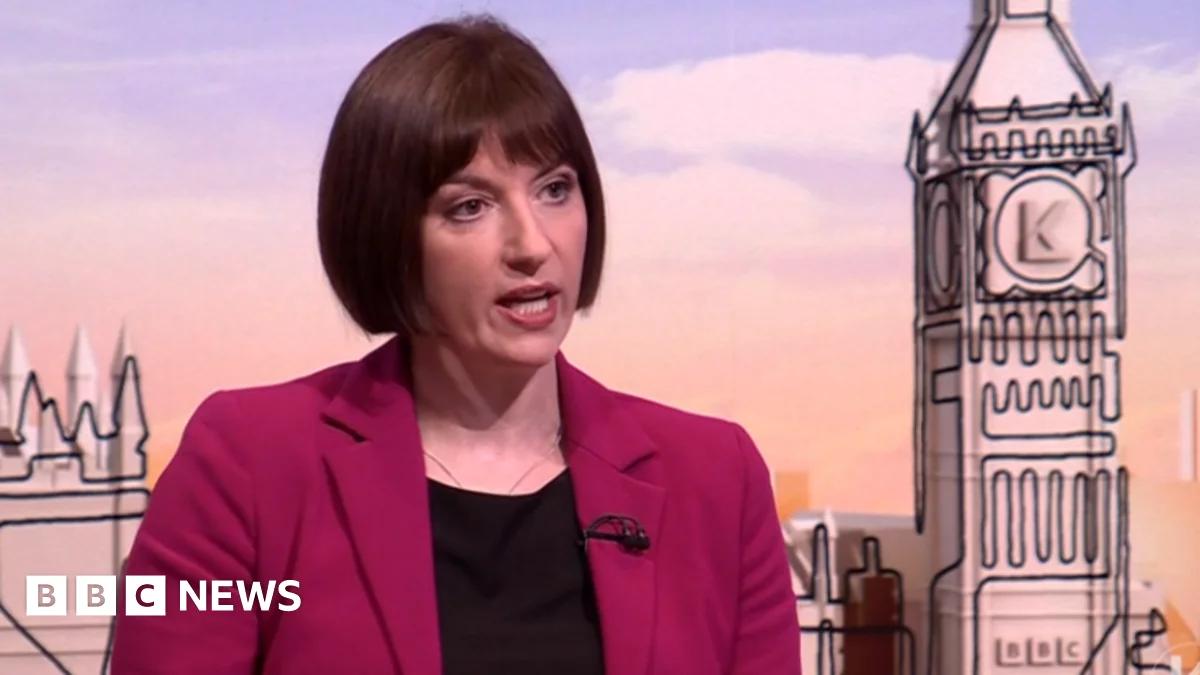
The government is introducing sweeping reforms to the system that supports children with special educational needs and disabilities (SEND) in England. Education Secretary Bridget Phillipson announced these changes, aiming to provide support more quickly and effectively. While the government states these reforms will improve access and outcomes, some parents express worry that their children might receive less help or face new hurdles in obtaining necessary support.
Key Aspects of the SEND Overhaul
The proposed changes are designed to shift how support is delivered for children with SEND. A central element is the introduction of Individual Support Plans (ISPs), which will be legally recognised. The government suggests this new framework will reduce paperwork for schools and ensure support reaches pupils who need it most.

Key points of the reform include:
Faster Access to Support: The aim is to reduce the time it takes for children to get help, moving from months or years to weeks.
New Legal Framework: ISPs will provide a structured plan for all children with SEND.
Increased Funding: A £4 billion package is allocated to boost school support, including one-to-one and small-group sessions.
Inclusion Bases: Every school will be expected to set up dedicated spaces for children needing extra help.
Teacher Training: Extra training will be provided to help teachers identify needs earlier.
New Places: 60,000 new places will be created for children requiring more tailored assistance.
Parental Concerns and Government Assurances
Despite the stated benefits, the reforms have caused anxiety among some families. Concerns center on whether the changes will make it harder to get Education, Health, and Care Plans (EHCPs), which are legally binding and currently entitle children with SEND to specific support. Some parents fear that the "bar" for qualifying for an EHCP might be raised, potentially leaving their children without the necessary assistance.
Read More: Tory Plan to Cut University Courses Could Affect 1 in 8 Degrees in 2026
"We are not going to be taking away effective support from children." - Bridget Phillipson
The Education Secretary has affirmed that effective support will not be removed. She stated that the current system "isn't working" and that the reforms represent a "decade-long, very careful transition." However, she also acknowledged that children's needs will be reviewed and assessed as part of this transition. The government insists the changes are not about saving money, but about spending more to achieve better results.

Evidence and Analysis
Raising the Bar for EHCPs
Multiple sources indicate that the reforms will indeed raise the threshold for qualifying for an EHCP.
Read More: Manchester United favored to win against Everton at Goodison Park on February 26, 2025
Article 2 states: "the changes will raise the bar at which children in England qualify for an education, health and care plan (EHCP), which legally entitles children with Send to get support."
Article 5 notes: "They argue it could become harder to get a legally protected plan or appeal when councils fail to provide support."
This suggests a potential conflict between the government's promise to maintain effective support and the practical implications of stricter qualification criteria for legally protected plans.

The Role of Individual Support Plans (ISPs)
The introduction of ISPs is a central piece of the reform.
Article 4 explains: "A new legally recognised framework known as Individual Support Plans (ISPs) would meanwhile be introduced for all children with SEND."
Article 1 adds: "this will sit alongside an extension of legal rights to include all children with SEND through school-led Individual Support Plans (ISP)."
The government's position is that ISPs will simplify processes and ensure support is delivered, while parents' anxiety stems from the potential dilution of existing legal entitlements provided by EHCPs. The legal standing and enforceability of these new ISPs compared to EHCPs remains a key point of contention.

Government's Commitment to Funding and Outcomes
The government has allocated significant resources to these reforms.
Article 5 details: "Children with special needs promised better help under new £4bn plan."
Article 2 quotes Phillipson: "We are going to spend more money delivering better outcomes for children."
This financial commitment is presented as evidence of the government's dedication to improving SEND support. However, the effectiveness of this funding in addressing the root causes of current system failures and ensuring equitable access to support remains to be seen.
Read More: England SEND Reforms: Faster Support for Children with Special Needs by April 2026
Expert and Stakeholder Voices
While direct quotes from independent experts are not extensively detailed in the provided summaries, parent perspectives highlight the immediate impact of these policy shifts.
Parental Fear: Article 4 mentions a mother's reaction: "Sweeping school reforms to be unveiled - but one mum says it's 'just what I was fearing'." This indicates a pre-existing anxiety about potential negative outcomes of the reforms.
Legal Rights Concerns: Article 1 notes: "But she worries about his legal rights under the new reforms." This points to a specific concern about the preservation of legal protections for children with SEND.
Conclusion and Next Steps
The government's proposed SEND reforms aim to modernize and streamline support for children with special educational needs, promising faster access and improved outcomes through increased funding and new frameworks like ISPs. However, these changes are met with significant parental apprehension, particularly regarding the potential for reduced access to legally protected EHCPs.
The government assures that effective support will not be withdrawn, and that the reforms represent an evolution of the system. The success of these reforms will likely depend on:
The clarity and legal strength of the new Individual Support Plans.
Whether the "raised bar" for EHCPs disproportionately affects children with complex needs.
The practical implementation of inclusion bases, teacher training, and new places.
The government's ability to alleviate parental anxiety through transparent communication and demonstrated positive outcomes.
The transition period, described as a "decade-long" process, will require careful monitoring to ensure that the intended improvements are realized without leaving vulnerable children behind.
Sources Used
BBC News: "Effective' SEND support won't be taken away, minister says" - https://www.bbc.com/news/articles/clygnnz6d9lo
The Guardian: "Minister says children in England will get support more quickly under Send overhaul" - https://www.theguardian.com/education/2026/feb/22/minister-bridget-phillipson-says-children-in-england-will-get-support-more-quickly-under-send-overhaul
BBC News (Live): "Bridget Phillipson says SEND reforms will 'transform support for children and families'" - https://www.bbc.co.uk/news/live/cew4eg9weket
Sky News: "Sweeping school reforms to be unveiled - but one mum says it's 'just what I was fearing'" - https://news.sky.com/story/sweeping-school-reforms-to-be-unveiled-but-one-mum-says-its-just-what-i-was-fearing-13510352
The Sun: "Children with special needs promised better help under new £4bn plan" - https://www.thesun.co.uk/news/38305122/special-needs-reform-boost-school-support-childrens-rights/