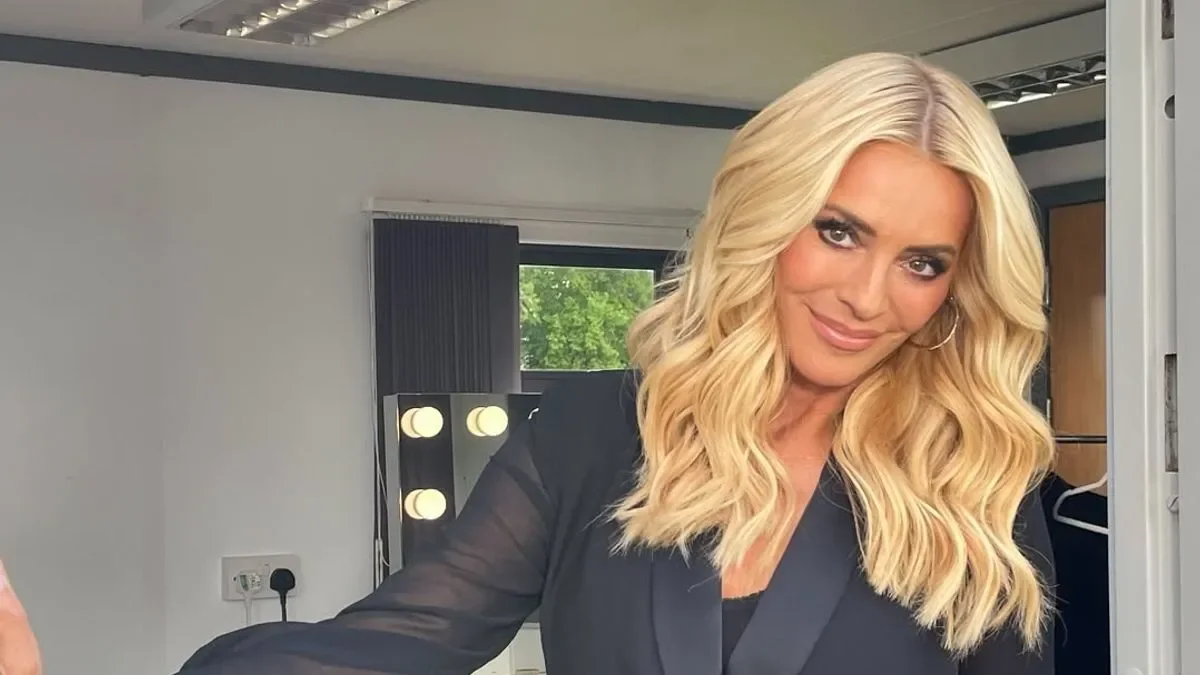
Retired Paralympic swimmer Ellie Simmonds has opened up about the transformative role of competitive sports in her formative years, crediting the discipline of training with providing necessary structure. Speaking in mid-May 2026, the five-time gold medalist noted that without the rigorous demands of her swimming career, her life path could have been significantly more chaotic.
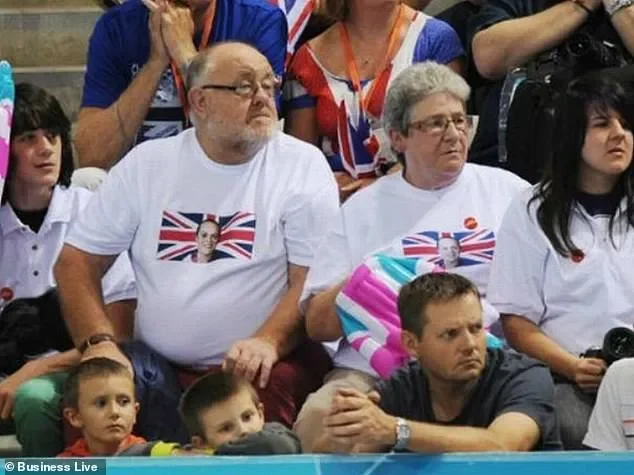
Simmonds’ athletic trajectory served as both a stabilizer for her youth and a vehicle for professional recognition, culminating in a transition to life after competitive sport post-2021.

| Milestone | Age / Date | Achievement |
|---|---|---|
| Beijing 2008 | 13 | Two gold medals (youngest team member) |
| London 2012 | 17 | Two golds, world records |
| Rio 2016 | 21 | Fifth career gold |
| Retirement | 2021 | Exit from professional competition |
Structural Discipline vs. Personal Identity
Simmonds, born in Walsall in 1994, began her ascent to international prominence early. Her move to Swansea at age 11 to train with the GB squad removed her from a traditional environment, placing her under the mentorship of coach Billy Pye, whom she describes as a paternal figure.
Structure as a safeguard: The intense, dark-morning training cycles, while physically draining, acted as a preventative mechanism against potential delinquency.
The Shift: The forced hiatus during the global pandemic prompted an existential re-evaluation of her career.
Post-sport clarity: Retirement has afforded her the cognitive space to address unresolved questions regarding her heritage and the long-term impact of being placed for adoption.
Investigations into Origins
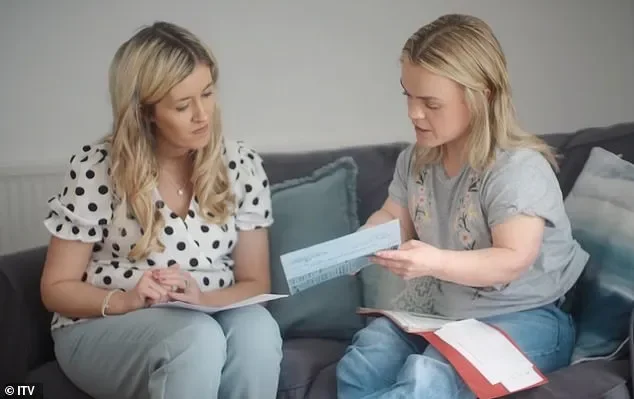
In the years following her departure from the pool, Simmonds has engaged in a public inquiry into her biological history, a process captured in multiple documentaries. These investigations involved a candid, documented reunion with her birth mother, who cited the athlete’s diagnosis of achondroplasia as the primary driver for the adoption decision.
Read More: FIFA World Cup 2026 Revenue Reaches $15 Billion With New Ticket Prices

These reflections have expanded beyond mere autobiography into the realm of social advocacy. Simmonds has utilized her platform to highlight the systemic neglect of adoption narratives, specifically encouraging the adoption of children with disabilities.
Reflective Context: The Narrative of Success
The public perception of Simmonds’ success—often framed through the lens of her athletic achievements—is now being contextualized by her own explorations into how early-life separation influenced her internal drive. The dichotomy between her status as a high-performance Paralympian and her private struggle with identity marks a transition from a singular focus on physical output to a broader interrogation of what it means to grow up in the public eye.
Her current focus—balancing her history as an athlete with her roles in media and as an advocate—suggests an effort to resolve the friction between her public identity as a national success story and the complexities of her biological beginnings.
Read More: Tess Daly wears wedding ring in London after split from Vernon Kay