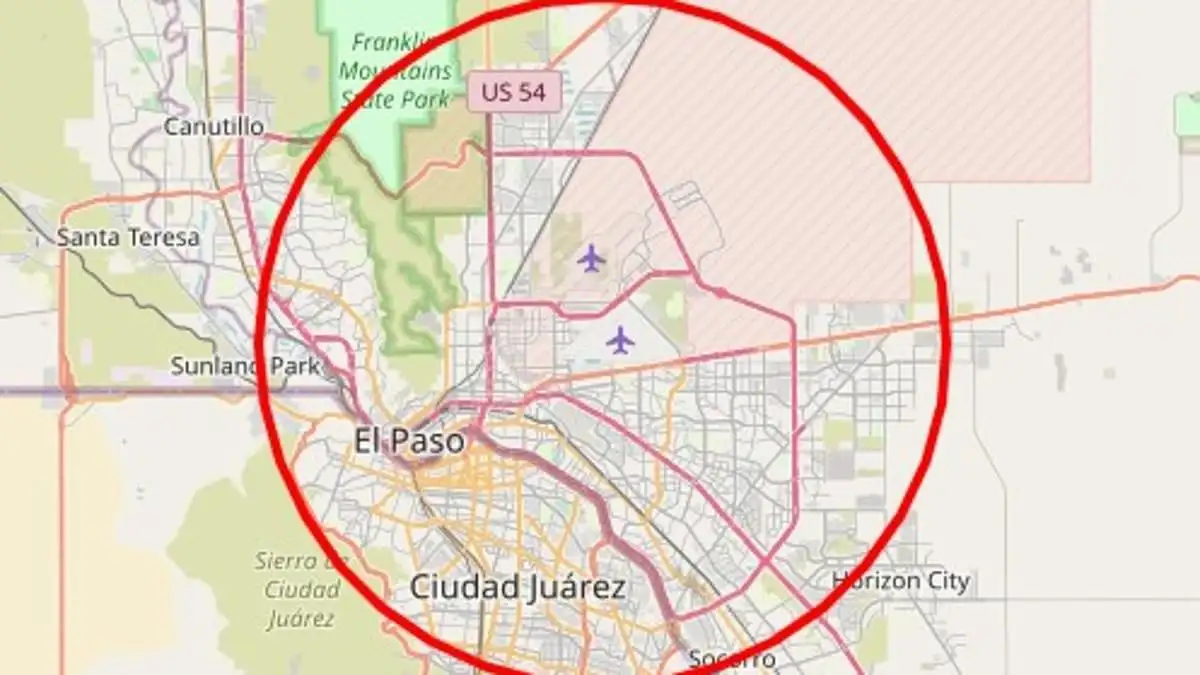
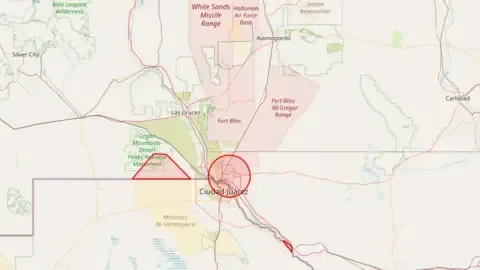
Emergency dispatch records from Camp East Montana expose a rhythm of self-destruction and broken bones within the walls of the largest U.S. immigration jail. Logged calls detail 911 responses to detainees attempting to end their lives, fights between prisoners, and physical injuries left to fester.
Internal systems failed to manage basic medical needs, forcing captives to rely on local emergency services for triage.
Reports include a man unable to move his left eye following a day-old beating.
Administrative lapses extended detention times long after legal deportation orders were signed.
The Friction of Storage
The facility functions as a storage bin where the logic of the state clashes with the biology of the inmates. When the internal gears of the ICE facility lock up, the outside world hears it through 911 dispatchers.
| Incident Type | Reported Outcome | Contextual Failure |
|---|---|---|
| Physical Violence | Non-functional eye | Victim left untreated for 24 hours post-assault. |
| Bureaucratic Drift | Indefinite hold | Ramsingh held for weeks due to lost documents. |
| Psychological Break | Attempted Suicide | Frequent entries in emergency logs. |
The Administrative Trap
The machinery of Immigration and Customs Enforcement appears prone to losing the very people it processes. In one instance, a man named Ramsingh remained trapped in the facility's orbit long after his exit papers were finalized. The agency misplaced his Dutch passport, stalling his departure and turning a legal exit into an indefinite stay.
Read More: Deportees trapped in Venezuela earthquake after June 24 flight
"I ask every day, all day," Ramsingh noted regarding his status. He was among the first group sent to the camp, discovering that being "ordered out" of the country does not mean the gate actually opens.
The facility in El Paso was intended to move people quickly. Instead, it has become a place of slow rot where the paperwork is as broken as the people. Another man reported he could not move his eye—an injury sustained a full day before the emergency call was even placed. This suggests a gap where guards or medical staff ignore trauma until it becomes a city-level emergency.
Background: The Processing Void
The El Paso site serves as the primary node for ICE logistics in the region. It is designed for mass processing, yet the 911 data suggests a drift toward chronic mismanagement and unregulated violence. The facility's inability to track basic identity documents or provide immediate care for head injuries points to a system that has grown too large for its own oversight. When the state stops seeing individuals and starts seeing "units," the result is a 911 log filled with the sounds of a meat-grinder.
Read More: Amanda Serrano defends titles May 30 in El Paso against Cheyenne Hanson