Shifting Sands of Celebration
The exact date for Eid al-Fitr in 2026 remains a point of subtle contention, poised to pivot based on the visibility of the crescent moon. While astronomical calculations point to March 20th as the most probable day across various regions, including parts of Africa, a contingent might extend celebrations to March 21st should the lunar sliver elude sight. This potential overnight shift impacts everything from public holiday schedules to personal travel arrangements. In the UAE, for instance, a pre-emptive holiday window from March 19th to March 22nd offers a cushion against such last-minute recalibrations, with government offices slated to reopen on March 23rd. The calculations underpinning these predictions lean on scientific data rather than solely traditional sighting methods.

Rituals and Resonance of Eid al-Fitr
Beyond the date itself, Eid al-Fitr embodies a confluence of deeply rooted spiritual, cultural, and communal practices. The celebration marks the conclusion of the month-long fast of Ramadan, often described as a divine gift signifying purity and gratitude. A central tenet is 'Zakat al-Fitr,' a compulsory act of charity mandated for every financially capable Muslim to be dispensed before the communal Eid prayer. This almsgiving serves not only to support the less fortunate and ensure their participation in the festivities but also to purify the fasting individual.
Read More: Mumbai devotee donates 1.03 crore to Tirumala Trust on May 12 2026

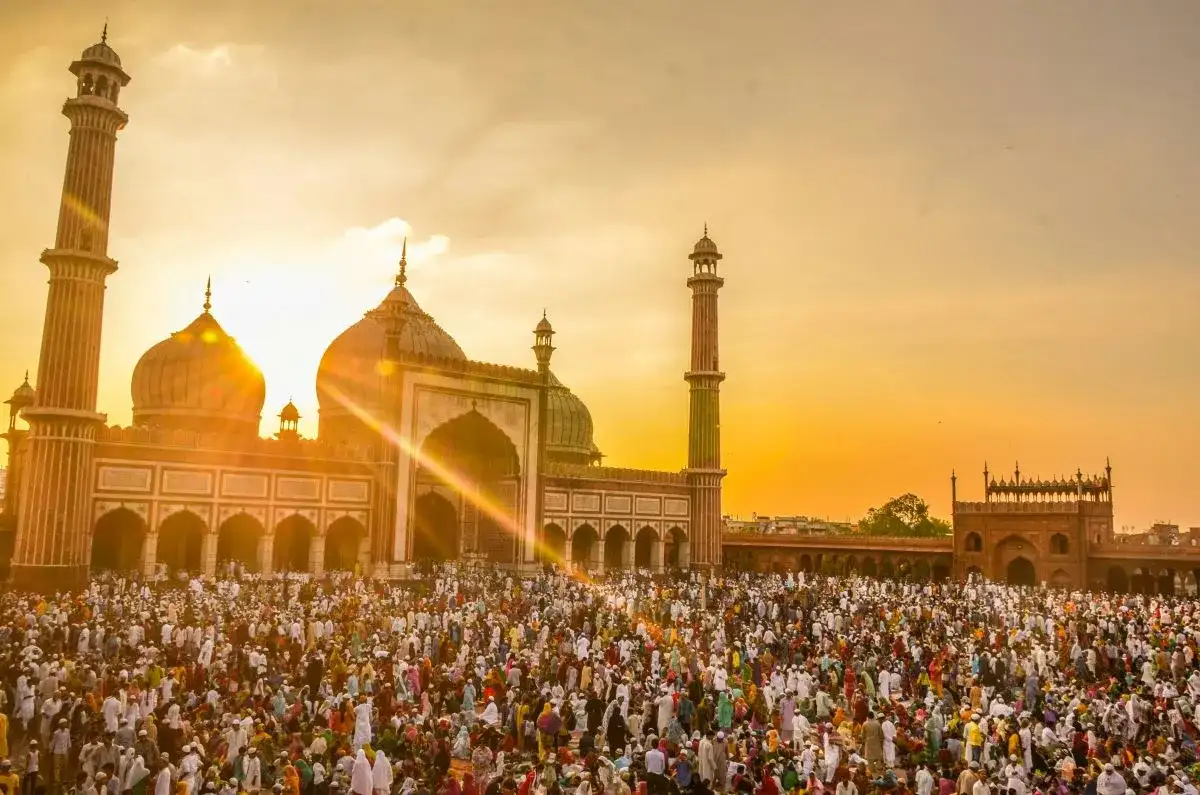
The day itself is ushered in with special congregational prayers, known as 'Salat al-Eid,' held in mosques or open areas. Preparations often involve a ritual bath ('Ghusl'), donning one's finest attire, and partaking in a pre-prayer meal, traditionally featuring dates. The pronouncement of 'Takbeer' (chants of God's greatness) commences at sunset on the final day of Ramadan and continues until the Eid prayer. Post-prayer, the spirit of 'Global Unity' prevails, characterized by exchanging greetings like "Eid Mubarak," family visits – particularly to elders – and communal feasting, often sharing meals with friends and neighbors. The giving of gifts, especially monetary tokens known as 'Eidi' to younger relatives, is also a cherished tradition.
Read More: Saudi Arabia Secretly Strikes Iran After Attacks
Global Recognition and Local Adaptations
Eid al-Fitr, celebrated in over 50 countries, is increasingly acknowledged in Western nations as a significant cultural and religious event, reflecting growing Muslim populations. Celebrations in places like the United States exemplify a dynamic fusion of traditional Islamic customs with local cultural influences, showcasing diverse ways the festival is observed. The festival's origins trace back to pronouncements by the Prophet Muhammad, who reportedly declared it one of two days of celebration divinely bestowed upon Muslims, replacing earlier observances.

A Feast Amidst Adversity
While families gather to celebrate, the stark reality for many Muslims globally remains one of hardship. Organizations highlight the plight of those in regions like Gaza, Sudan, Yemen, and Lebanon, where displacement, hunger, and grief cast a long shadow over the possibility of joyous observance. This underscores the foundational purpose of Eid al-Fitr: to share joy and ensure that even those facing crisis can partake in the spirit of celebration, a sentiment actively pursued by foundations dedicated to delivering aid and support.
Read More: Russell Brand's New Book Called 'Offence Against God' by Critics