Unusual Perspectives on Display Amidst Games
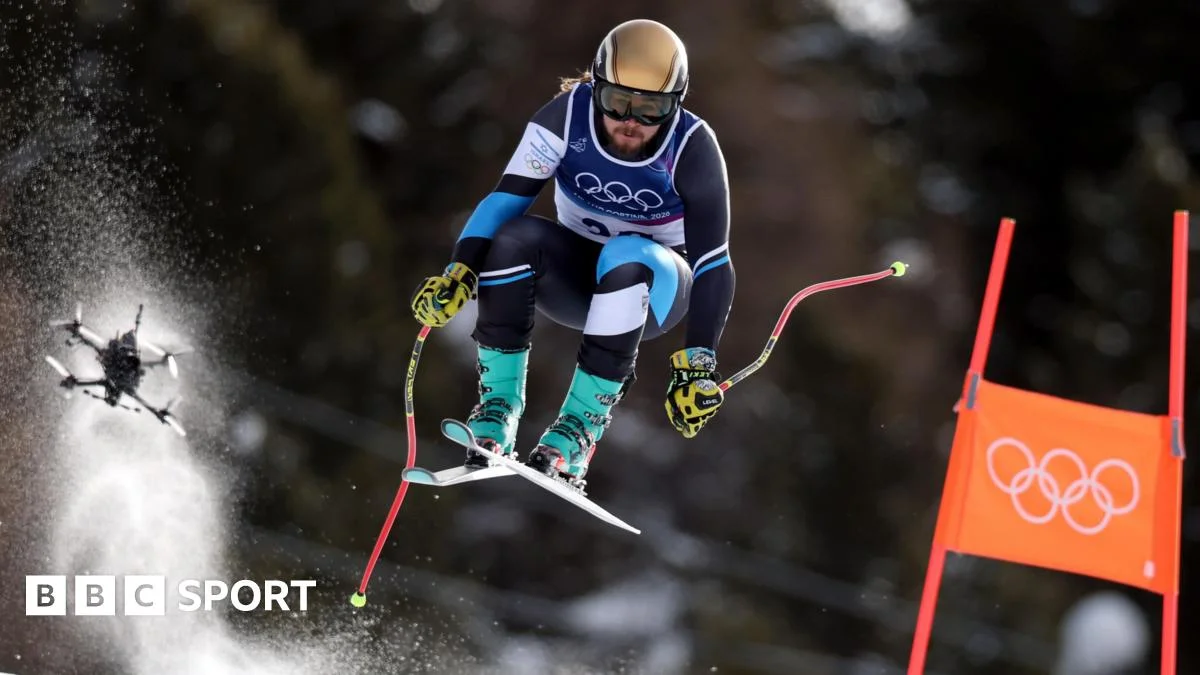
Drones are now a feature of the Winter Olympics, offering views of athletes previously unseen. These unmanned aerial vehicles, equipped with cameras, fly close to competitors in sports like skiing and luge. While this provides a fresh perspective for viewers, it has also raised questions and concerns among athletes and the public. The use of these drones represents a significant shift in how Olympic events are captured and broadcast, introducing both advantages and challenges.
Introduction of New Technology
The 2026 Winter Olympics has seen the widespread deployment of drones for filming. These devices are operated on-site and are designed to follow athletes, particularly in speed-based events such as skiing and luge.

Close-range Filming: Drones capture footage from a proximity previously not possible, following athletes down courses.
Innovative Broadcasts: This technology aims to deliver unprecedented, dynamic shots for a more immersive viewing experience.
Operational Considerations: The deployment requires careful planning due to drone limitations, including flight duration and susceptibility to weather conditions and technical issues.
Athlete and Audience Reactions
The use of drones has generated mixed reactions. While many find the footage astonishing, concerns have emerged regarding the potential impact on athlete performance and the overall atmosphere of the events.
Read More: Olympic Games Have Many Controversies and Scandals

Visual Appeal: Fans have expressed amazement at the new viewpoints offered by the drones, noting how they highlight the speed and skill involved.
Auditory Disturbance: Some attendees and viewers have voiced discomfort with the sound produced by the drones, suggesting it intrudes upon the natural sounds of the competition.
Performance Concerns: Reports indicate that a drone crashed onto a course during training, raising worries about safety and whether the drone's presence and sound might distract athletes during crucial moments.
Security and Oversight Measures
Beyond broadcasting, drones are also integral to Olympic security operations. This dual role necessitates robust systems to manage their use and counter potential threats.

Enhanced Security: Drones contribute to improved safety and security at the Games.
Threat Mitigation: Strategies are in place to manage potential drone threats, employing systems like jammers and AI monitoring.
Regulatory Tools: Technologies are used to identify and track drones and their operators, ensuring compliance with regulations.
Broader Context of Olympic Spectacle
The introduction of advanced filming technology like drones fits within a larger narrative surrounding the Olympic Games, touching upon themes of competition, perception, and the very nature of sport.
Read More: Amazon Prime Was Faster and Saved People Money in 2025
Pushing Boundaries: The use of drones aligns with the Olympics' ongoing effort to innovate and present sports in new ways.
Athlete Narratives: The Games often involve narratives that explore athletes' physical prowess and the extreme efforts they undertake, sometimes raising questions about ethics and perception, as seen in commentary regarding ad campaigns and athlete conduct.
Technological Integration: The presence of drones underscores the increasing role of technology in major sporting events, impacting everything from broadcasting to athlete safety and venue security.
Expert Perspectives
Commentators and analysts acknowledge the dual nature of drone integration at the Olympics.
"The drones are cameras, and they're getting remarkable shots while being incredibly close to the competition." - Sporting News
"Improved Security and Safety… The use of drones in security operations has greatly improved the safety and security of the Olympic Games." - Techannouncer
"Concerns that the sound might be impacting the athletes, putting them off as they compete in the biggest events of their careers." - BBC Sport
Conclusion
The integration of drones into the 2026 Winter Olympics presents a compelling case study in technological advancement within elite sports. They offer viewers unprecedented visual access to athletic performance, transforming the broadcast landscape. However, this innovation is not without its complexities. Concerns regarding athlete distraction and the auditory environment persist, demanding careful management. Furthermore, the dual role of drones in filming and security highlights the ongoing efforts to ensure the safety and integrity of the Games. The ongoing dialogue surrounding these advanced tools will likely shape their future use in major international sporting events.
Sources
BBC Sport: Provides details on drone operation, crash incidents, and athlete concerns regarding sound and distraction during the 2026 Winter Olympics skiing and luge events.
Sporting News: Discusses audience reactions to drone cameras during various Winter Olympic events, noting both admiration for the visuals and annoyance with the sound.
Link: https://www.sportingnews.com/us/olympics/news/nbc-drone-cameras-amaze-olympic-fans-skiing-snowboarding-luge/f7ba6cc350214838a67d05b8
Techannouncer: Explores the broader integration of drones in Olympic filming and security, detailing operational considerations and security enhancements.
Link: https://techannouncer.com/a-new-perspective-the-integration-of-drones-in-olympic-filming-and-security-operations/
Autelpilot (Skyfend): Focuses on the security aspect, discussing how Olympic organizers deal with drone threats and the regulatory measures in place.
Link: https://www.autelpilot.com/blogs/skyfend/2024-paris-olympics-drone-news
Olympic and Paralympic Analysis: Offers a critical perspective on narratives surrounding sports, touching on themes that might intersect with the presentation of athletes and events, though not directly focused on drone technology itself.
Link: https://olympicanalysis.org/paris-2024/the-olympic-drone-spying-scandal-and-nike-ad-campaign-why-the-myth-of-sport-always-wins/
Read More: Finnish Ski Jumping Coach Sent Home From Olympics For Alcohol Issue
Note: The article from "The List" about figure skating moments was not directly relevant to the primary topic of drone technology and has been excluded from the detailed analysis.