Traveler Convenience Disrupted as Shutdown Affects Airport Security Programs
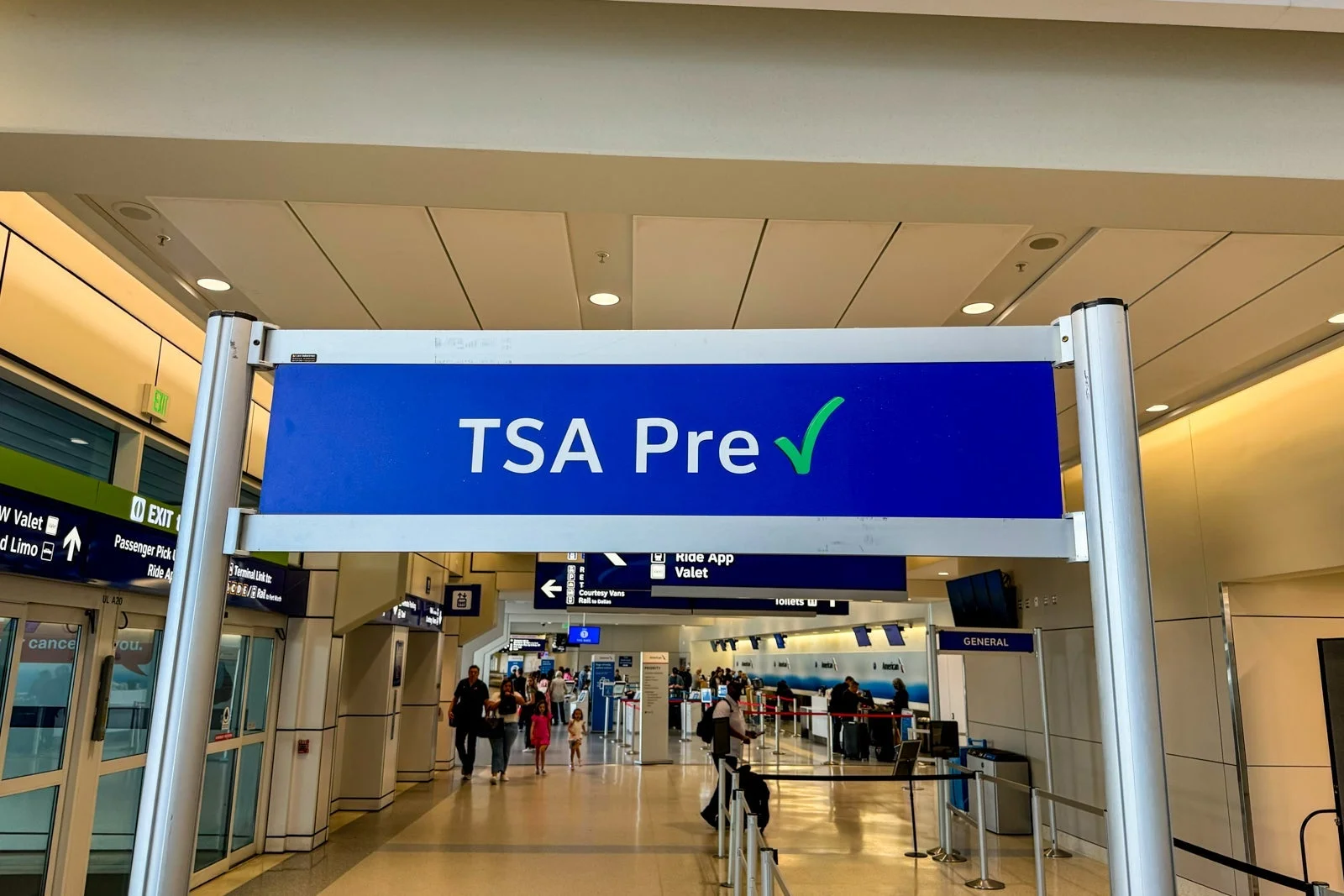
The ongoing partial government shutdown has led to the suspension of TSA PreCheck and Global Entry, two widely used programs that allow vetted travelers expedited passage through airport security and border crossings. This decision by the Department of Homeland Security (DHS) is expected to cause longer wait times for a significant number of air travelers. The suspension began on Sunday, impacting services for millions who rely on these programs for faster processing. This measure is part of broader actions taken by DHS as it navigates a funding shortfall, raising concerns about national security and the financial strain on government personnel.
Context: Funding Stalemate Leads to Service Reductions
The suspension of TSA PreCheck and Global Entry comes as a partial government shutdown, which began on February 14th, continues into its second week. The shutdown is a result of Congress's failure to pass legislation to fund the Department of Homeland Security. Despite negotiations between Democrats and the White House, a funding agreement could not be reached before the previous funding expired.
Read More: IRCTC Offers 20% Discount on Buddhist Circuit Train for Travelers

Key Programs Affected: TSA PreCheck, which speeds up security screening for domestic air travel, and Global Entry, which facilitates faster customs processing for international travelers arriving in the U.S.
Timeline: The suspension was set to take effect on Sunday, February 25th, at 6 a.m. Eastern Time.
Reason for Suspension: DHS cited a lack of funding as the primary reason for pausing these programs. The department stated it needed to redirect staffing and prioritize essential services.
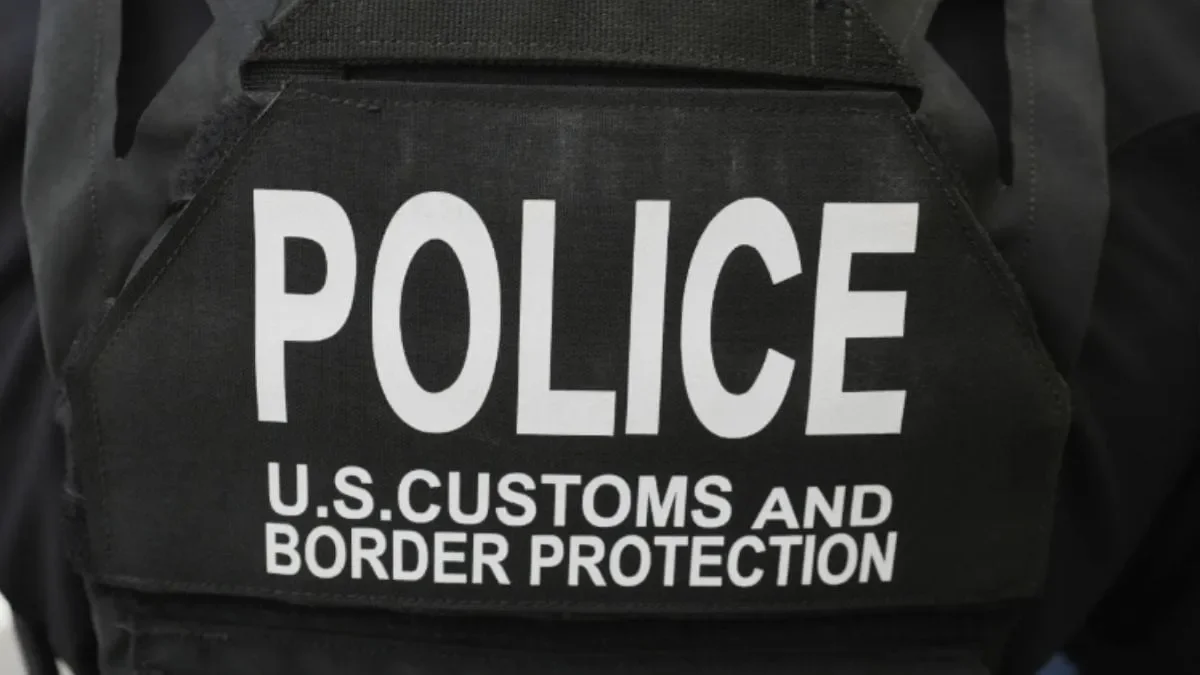
Other Affected Agencies: The shutdown is also impacting other DHS agencies, including the Federal Emergency Management Agency (FEMA) and the Coast Guard. Personnel in many of these agencies are not being paid, although most continue to work due to the critical nature of their roles. Some operations, like ICE and Customs and Border Protection, are continuing under previously allocated funding.
Evidence: Official Statements and Reports Detail Program Halts
Multiple sources confirm the suspension of TSA PreCheck and Global Entry, citing official statements from the Department of Homeland Security and its leadership.

Homeland Security Secretary Kristi Noem announced the suspension, stating that TSA and U.S. Customs and Border Protection are "prioritizing the general traveling population at our airports and ports of entry and suspending courtesy and special privilege escorts."
A DHS spokesperson confirmed the suspension to various news outlets, indicating it would begin Sunday morning.
Reports from The Washington Post and other news organizations detailed the planned halt, citing DHS officials.
Secretary Noem also stated that the lack of funding "endangers our national security" and puts DHS personnel in a difficult financial situation without paychecks.
Impact on Travelers: Longer Lines and Shifting Priorities
The suspension of TSA PreCheck and Global Entry is expected to lead to a noticeable increase in wait times at airports and ports of entry. While the exact extent of the delays remains to be seen, travelers who typically benefit from expedited screening will now be integrated into the general security lines.
Reduced Convenience: For the millions of members of these programs, the immediate consequence is the loss of expedited screening privileges.
Operational Adjustments: DHS is reportedly prioritizing the general traveling public and reallocating staff to manage increased volume in standard security lanes.
Potential for Increased Wait Times: Without the dedicated lanes for PreCheck and Global Entry members, it is reasonable to infer that overall processing times at security checkpoints will lengthen.
Political Undercurrents: Blame and Criticism
The decision to suspend these popular programs has also become a point of political contention.
DHS Secretary's Stance: Secretary Noem has directly blamed congressional Democrats for the funding lapse and the subsequent service suspensions.
Criticism from Lawmakers: Democrats on the House Committee on Homeland Security have criticized the decision, suggesting it is an unnecessary disruption to essential services. The specific nature of their criticism regarding airport security is detailed in AP News reports.
Broader Funding Debates: The shutdown and its consequences are unfolding within the larger context of ongoing budget negotiations and political disagreements over federal spending priorities.
Personnel Implications: Financial Strain on DHS Staff
Beyond the impact on travelers, the government shutdown places a significant financial burden on DHS employees.
Unpaid Labor: Many DHS personnel, including those in TSA, FEMA, and the Coast Guard, are not receiving paychecks due to the funding lapse.
Critical Work Continues: Despite the lack of pay, most employees are continuing their duties, as their roles are deemed essential for national security and public safety.
Prioritization of Services: DHS has indicated that agencies like FEMA are halting non-disaster-related work to focus on immediate disaster response efforts, further illustrating the operational impact of the funding gap.
Conclusion: A Direct Consequence of Funding Disagreements
The suspension of TSA PreCheck and Global Entry is a clear and direct outcome of the federal government's inability to reach a funding agreement for the Department of Homeland Security. This decision disrupts the travel plans of millions and highlights the tangible effects of political impasses on public services and national operations. While DHS emphasizes the need to prioritize essential functions and manage limited resources, lawmakers from both sides of the aisle are expressing concern. The situation underscores the broader implications of government shutdowns, affecting not only federal employees but also the general public reliant on government programs and services. The duration of these suspensions is contingent on the resolution of the ongoing funding negotiations in Congress.
Read More: California Wildfire Recovery Funds Delayed by Federal Disputes in 2025
Sources Used:
Associated Press (AP News):
Summary: Reports on the suspension of TSA PreCheck and Global Entry due to the government shutdown, including criticism from House Democrats.
CBS News:
Summary: Confirms DHS's suspension of PreCheck and Global Entry, quotes Homeland Security Secretary Kristi Noem, and outlines other affected DHS agencies.
NBC News:
Summary: Details the DHS pausing of PreCheck and Global Entry due to a funding lapse, quoting Secretary Noem and explaining the status of essential personnel.
The Points Guy:
Summary: Reports on the planned suspension of TSA PreCheck and Global Entry, citing a DHS spokesperson and the effective date and time.
Link: https://thepointsguy.com/news/tsa-precheck-global-entry-halted-shutdown/
Detroit News:
Summary: States that DHS will suspend TSA PreCheck and Global Entry due to the shutdown, mentioning the timing and the reason for pausing programs.
Fox News:
Summary: Covers DHS's suspension of TSA PreCheck and Global Entry, quoting Secretary Noem on the consequences of the shutdown for personnel and national security.