

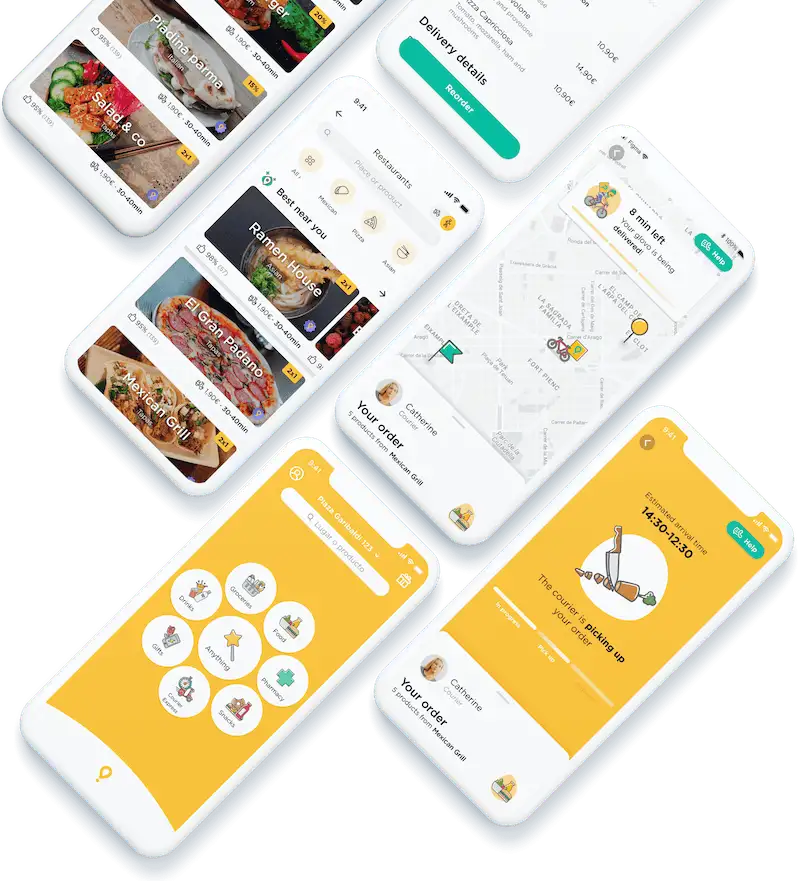
Delivery drivers operating under platforms like Glovo and similar gig-economy infrastructures are reporting an uptick in confrontational inquiries from customers questioning the distribution of gratuities. This interaction, once rare, now defines the final moment of many delivery transactions. Drivers report that customers are increasingly demanding evidence that their digital tips are actually reaching the laborer rather than being absorbed by platform service fees or administrative overhead.
The friction stems from opaque payment structures within the gig-economy model.
Drivers claim this suspicion forces them into a defensive posture at the door.
Digital transactions are being viewed as unreliable channels by an increasing segment of the customer base.
| Feature | Customer Perception | Platform Reality |
|---|---|---|
| Digital Tip | Direct payment to driver | Revenue-sharing ledger |
| Service Fee | Logistical cost | Corporate margin |
| Verification | Opaque/None | Internal proprietary data |
The Mechanics of Distrust
The skepticism is rooted in a fundamental lack of clarity regarding how gig platforms handle transaction data. When a user adds a gratuity through an application, that money enters a ledger controlled by the company before being disbursed to the contractor. Customers, sensing the detachment between their intent and the driver’s reality, have pivoted to interrogating the workforce.
"The customer isn't just asking if I got the tip anymore. They are asking me to explain how the app's software allocates the money they just spent. I have no way to prove it other than showing them my balance, which is its own privacy risk." — Anonymous delivery contractor.
The Shift Toward Cash
Because the digital interface acts as a mediator, the trust deficit has triggered a return to cash-in-hand payments. For the laborer, cash remains the only method of ensuring full receipt of gratuities without platform intervention. This preference for physical currency highlights a broader disillusionment with the digital ecosystem that initially promised streamlined efficiency.
Read More: Many People Forget Where Their Money Goes, Experts Say
Historical Context: The Platform Mediator
The model utilized by Glovo and similar entities relies on an "everything store" approach—moving goods, groceries, and prepared meals through a centralized dispatch system. Originally marketed as a convenience technology, these systems have historically prioritized platform scale over transparent remuneration protocols. As the relationship between the platform, the driver, and the user evolves, the digital transaction layer has become a site of significant social tension, transforming a simple delivery into a point of interrogation.


