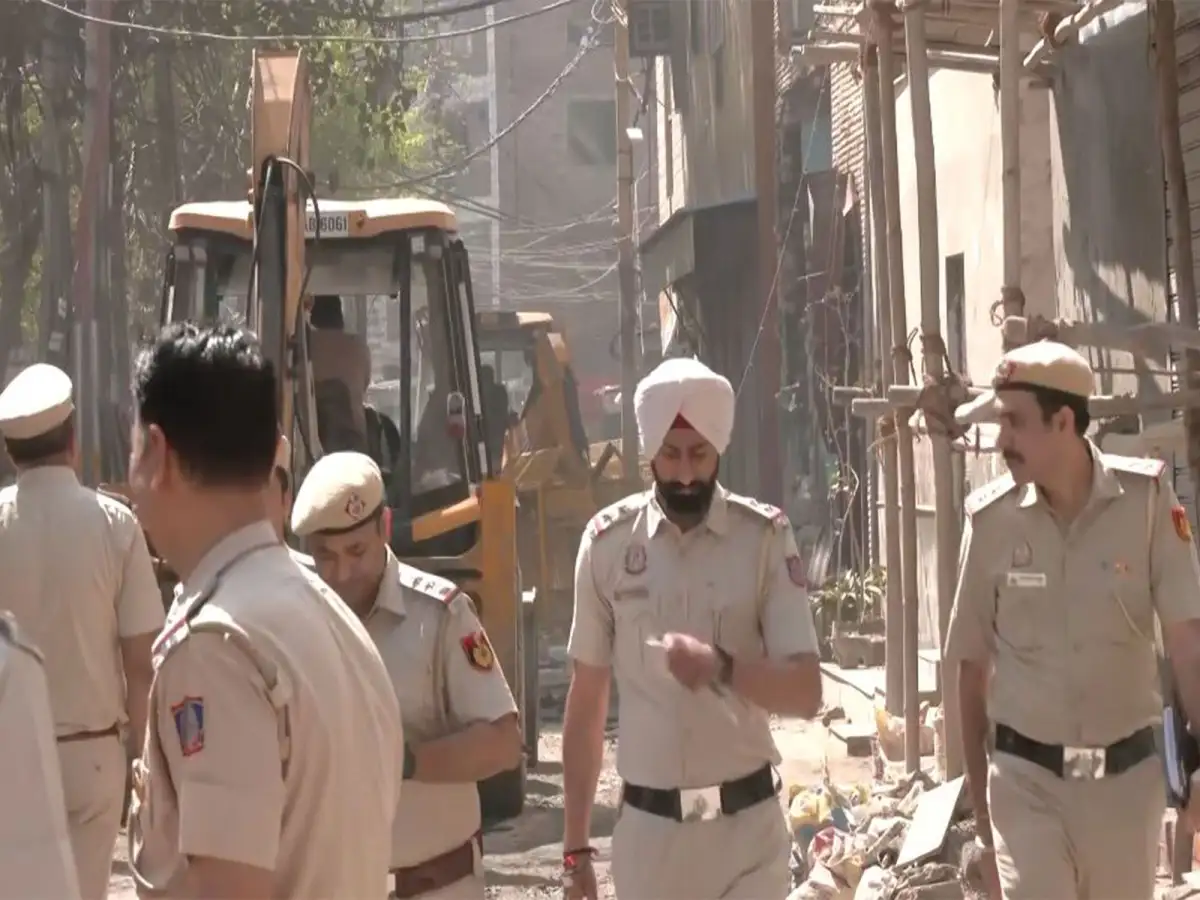
The Delhi High Court has ordered a temporary halt to Municipal Corporation of Delhi (MCD) demolition activities for one week, specifically targeting properties linked to individuals implicated in the Uttam Nagar Holi clash. This intervention comes after a 26-year-old man was killed during the incident, prompting a swift, and according to some accounts, unannounced demolition of at least one residence.
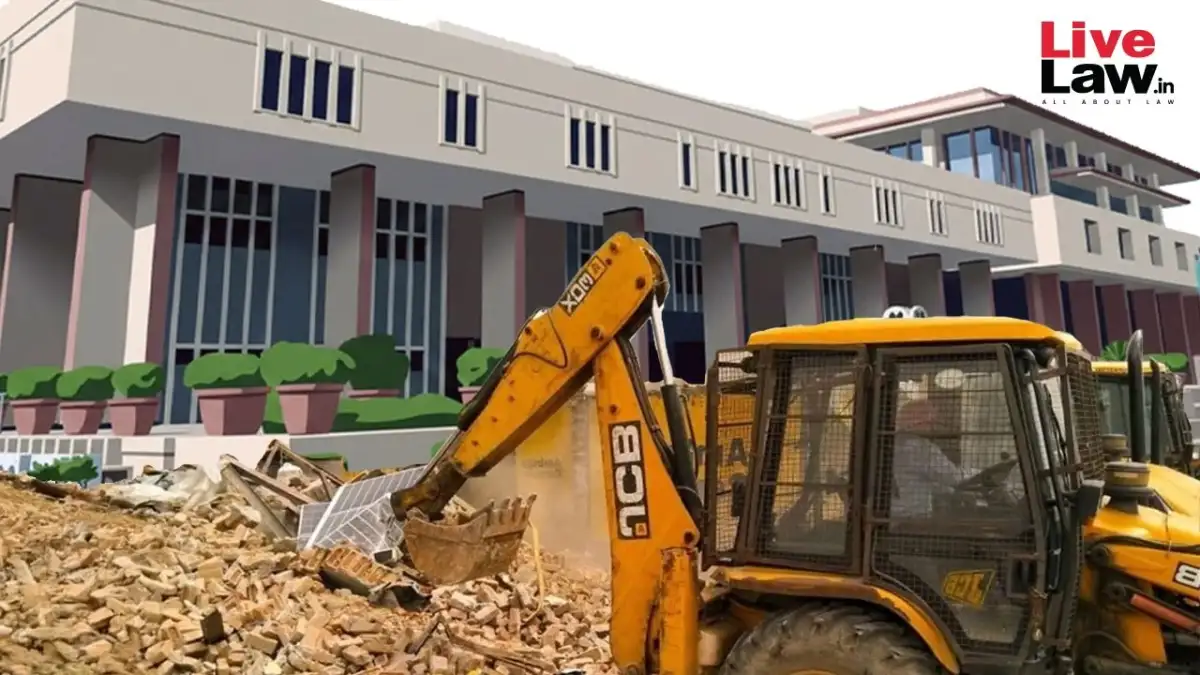
The court's directive, issued on Tuesday, March 11, 2026, serves as a reprieve for those whose homes face destruction in the aftermath of the violent altercation. It appears the MCD had commenced demolition work, with one report detailing the razing of an entire residential building without prior notice or an opportunity for the affected parties to present their case. The MCD's counsel, however, stated the demolitions were not selective and targeted portions encroaching on public drains, asserting that no prior notice was legally required for such actions.
Read More: Supreme Court May Order Ayodhya Temple Fund Audit Due to Theft Claims
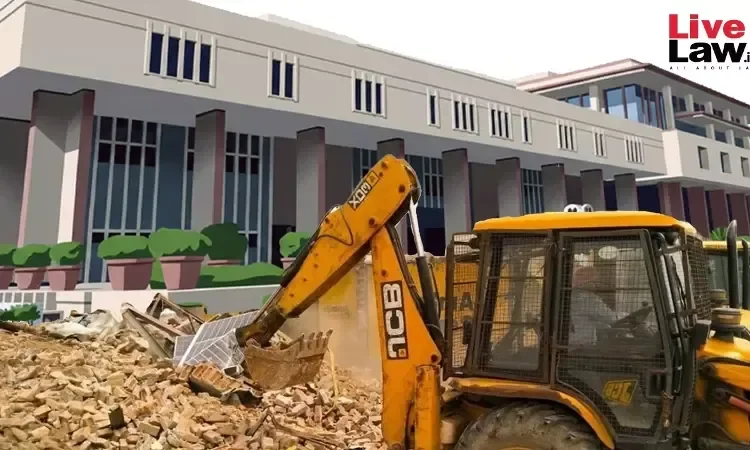
The legal proceedings revealed a degree of procedural complexity. Petitioners, reportedly accused in the clash, were advised by the court to file separate petitions – one for police protection and another specifically against the demolition drive. The court also questioned the MCD regarding the absence of demolition notices to the affected parties.
Underlying Dispute and Demolition Justification
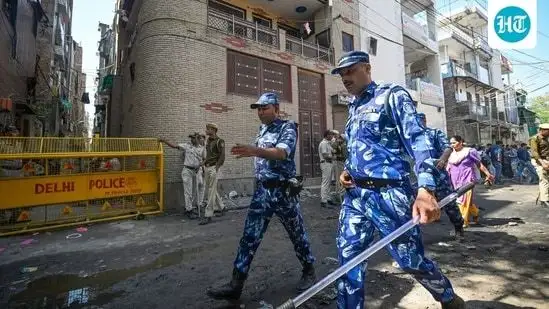
The origins of the Uttam Nagar Holi clash are presented as complex and contested. While one account suggests a mob gathered and spread misinformation, categorizing the incident as a communal attack, another narrative points to a more localized dispute. This latter version posits that the conflict escalated from a simple disagreement between children playing with water balloons, which subsequently devolved into a physical altercation between neighboring families.
The MCD's justification for demolition, as articulated by its senior counsel, centered on alleged encroachments on public drains. The municipality's stance is that the law does not mandate prior notification for demolitions related to such public infrastructure violations. However, petitioners contend they have occupied their JJ Colony residences in Uttam Nagar for as long as four decades, implying a long-standing presence that raises questions about the suddenness and nature of the demolition action.
Read More: Delhi Students Protest Education System Flaws on July 6
Procedural Interventions and Assurances
During the court hearing, concerns were raised about the MCD's actions commencing shortly after the FIR was registered on March 5, 2026, with demolition threats reportedly received by petitioners from March 9. Despite the court's initial questioning about the lack of notices, the MCD's senior counsel offered an assurance that no further demolition would occur on the properties in question until the petitioners filed their separate petitions. The court, while not granting the requested police protection due to procedural missteps in the initial plea, effectively put a temporary embargo on further demolitions by the MCD. The authorities had requested the matter be heard again on Wednesday.
The broader context involves the apprehension of several individuals, including a minor, in connection with the death of the 26-year-old. This incident underscores the volatile situation in southwest Delhi's Uttam Nagar, where tensions between neighboring families during Holi celebrations reportedly culminated in fatal violence.