Bowel Urges: A Call to Immediate Action, Experts State
Gastrointestinal specialists are increasingly asserting that individuals should heed their body's signals and defecate when the urge arises, rather than suppressing it. This consistent advice, disseminated across various medical and lifestyle publications, centers on the principle that delaying a bowel movement can lead to significant discomfort and potential long-term digestive issues.

The act of holding back stool, according to numerous medical professionals, directly impacts the body's natural digestive rhythm. When the urge is ignored, stool remains in the colon for an extended period. This prolonged contact allows more water to be absorbed from the waste, leading to a harder, more difficult-to-pass stool. This process can exacerbate existing constipation and, over time, dull the body's natural bowel reflexes, creating a cycle of dependency on delayed evacuation and potentially leading to chronic bowel habit irregularities.
Read More: India IVF Costs And Social Barriers Limit Access In April 2026

Consequences of Suppression
Lengthened Transit Time: The time it takes for waste to move through the intestines increases.
Deterioration of Quality of Life: Discomfort, bloating, flatulence, and abdominal cramps can become more prevalent.
Disruption of Natural Urges: Habitual suppression can diminish the body's sensitivity to future bowel signals.
Increased Risk of Constipation: Harder stools become the norm, making future bowel movements more challenging.
Tenesmus: In some cases, a constant feeling of needing to defecate without significant results, medically termed tenesmus, can arise.
Expert Voices on Bowel Management
Dr. Trisha Pasricha, a gastroenterologist and author of the forthcoming book "You’ve Been Pooping All Wrong: How to Make Your Bowel Movements a Joy," is a prominent voice in this discussion. She emphasizes that comfortable, effortless bowel habits are contingent on responding to the body's readiness rather than imposing external schedules. Pasricha advocates for a shift in perspective, encouraging people to embrace their body's natural cues without self-judgment.
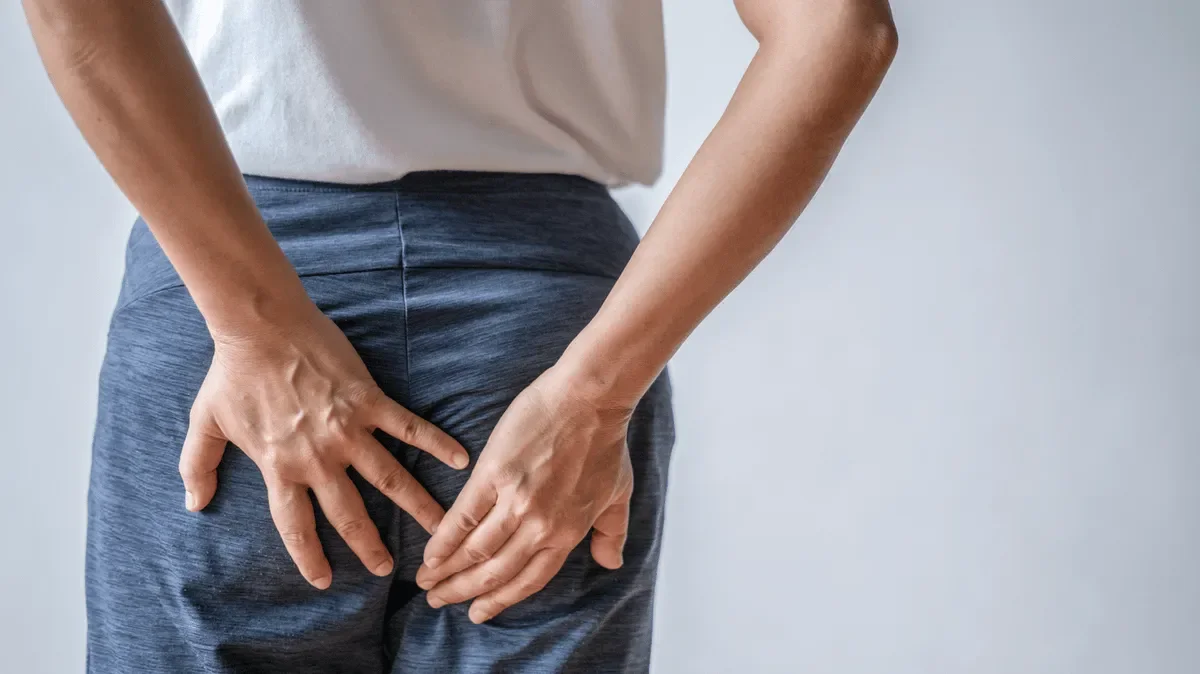
Similarly, Dr. Nighat Arif, an NHS and private medical GP, has utilized social media platforms to convey the importance of not ignoring bowel urges. She highlights that holding in stool, particularly during an eight-hour workday, can lead to a cascade of negative effects. The absorption of water, the hardening of feces, and the subsequent strain are significant concerns she frequently raises.
Read More: A Short Walk After Eating Can Help Bloating
Underlying Mechanisms and Related Conditions
The gastrointestinal system's function is intricately linked to various physiological processes. For instance, hormonal fluctuations, such as those experienced during the menstrual cycle due to changes in progesterone levels, can directly influence the pace of stomach emptying and intestinal sluggishness.
While the current discourse focuses on timely defecation, it's important to note that persistent bowel issues can be symptomatic of underlying conditions. Problems such as irritable bowel syndrome (IBS), traveler's diarrhea, and lactose intolerance can manifest with symptoms that may include urgency, abdominal pain, nausea, and bloating. In rarer, more serious instances, changes in bowel habits can be linked to bowel cancer, with symptoms warranting medical attention.
Background
The conversation around bowel habits often intersects with social conditioning and personal comfort levels. Many individuals, accustomed to the privacy of their homes, may delay bowel movements when away from familiar surroundings, a practice that experts now caution against. The notion of "pooping whenever you feel the urge" challenges ingrained societal norms that prioritize convenience or decorum over physiological necessity. This ongoing dialogue seeks to reframe defecation not as a discreet inconvenience, but as a fundamental bodily function requiring prompt attention for overall well-being.
Read More: Georgia Toffolo's Lake Como Trip After Fertility Talks