Defense Contractors Agree to Massively Increase Weaponry Production
Washington D.C. - In the wake of sustained military operations against Iran, President Donald Trump has announced that major defense contractors have agreed to 'quadruple' their production of certain weaponry. This directive follows a White House meeting where executives from companies including Lockheed Martin and RTX convened with administration officials to address perceived shortfalls in munitions and weapons systems.

The core assertion is that defense manufacturers have committed to a fourfold increase in the output of specified armaments, a move framed by the administration as a response to the ongoing conflict and the subsequent depletion of existing stockpiles. This commitment comes after months of White House pressure on the industry to accelerate manufacturing timelines.
Production Boost Under Scrutiny
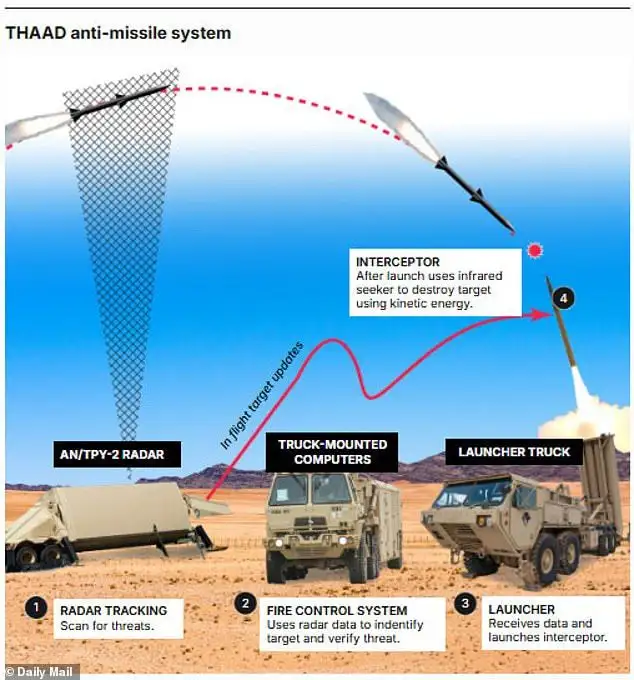
The announcement by President Trump suggests a significant ramping up of the defense industrial base, with specific mentions of multiyear deals to increase the output of PAC-3 interceptors and THAAD interceptors, as well as Tomahawk missiles, AMRAAM air-to-air missiles, and Standard Missile-3 IIA and IB, and Standard Missile-6. These agreements reportedly began taking shape even before the high-level meeting, with plants and production lines already undergoing expansion.
Read More: Ukraine gets 100 Patriot missiles with $1 billion EU loan for defense
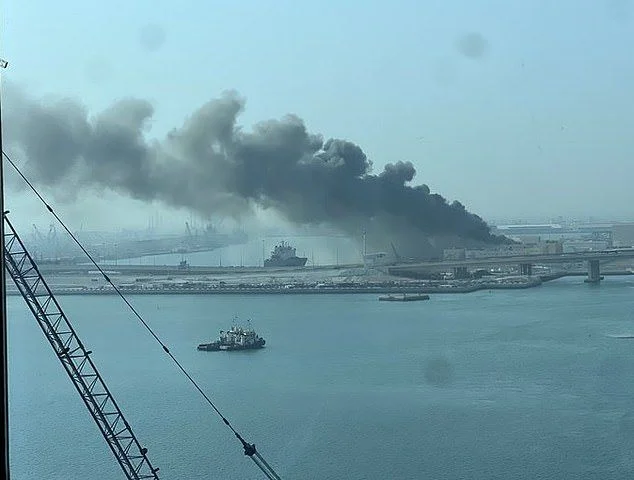
The administration has maintained that U.S. military readiness remains robust, despite scrutiny regarding the pace of missile defense operations and the strain on inventories. This push for increased production appears to be an effort to preemptively address concerns about sustained engagement.

"Scramble" for Replenishment?
Reports from within military and defense circles paint a picture of officials 'scrambling' to replenish depleted weapons stocks. The intensity of the conflict, characterized by extensive use of munitions like Tomahawk cruise missiles and drones, has drawn attention to the pace at which these assets are being expended. Current and former military officials have privately voiced concerns that Iran might strategically wait for U.S. air defense munitions to become critically low before launching coordinated drone attacks.
Read More: AFP Reviews War Crime Claims Against Australian in Gaza
While the White House has publicly asserted that the U.S. possesses "virtually unlimited supply" of munitions, capable of fighting wars "forever," internal assessments suggest a more urgent need to bolster reserves. The current operations, termed 'Operation Epic Fury', have reportedly seen thousands of missiles and munitions expended against Iranian targets.
Background to the Conflict
The stepped-up military actions against Iran follow a period of escalating tensions and reported retaliatory strikes. U.S. Central Command has released footage of strikes on Iranian mobile missile launchers, while reports indicate ongoing exchanges involving ballistic missiles and drones. The deployment of B1 bombers to overseas bases further signals the administration's posture in the region.
This drive to expand weapons production is not entirely new, with the White House reportedly pressuring defense contractors for months to prioritize production. Deputy Defense Secretary Steve Feinberg was also noted to have held preparatory calls with select contractors days before the main White House gathering. The ongoing conflict in Iran, and the subsequent drawdown of U.S. weapons, underscore the administration's focus on shoring up its military capabilities and ensuring a continuous supply of essential armaments.
Read More: India to Spend $2 Billion on New Drones for Defense