Game’s Debut Fraught With Technical Woes, Excluding Intel Users
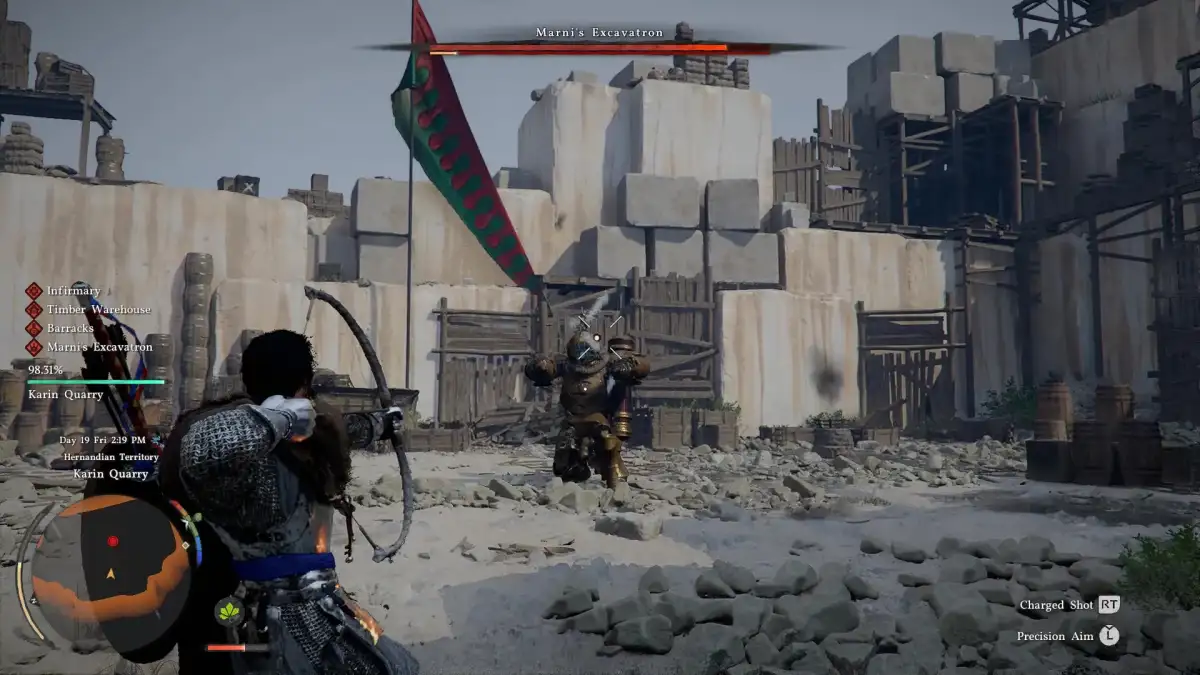
Crimson Desert's initial release has been characterized by widespread technical problems, affecting performance consistency and rendering the game entirely unplayable on Intel Arc GPUs. Initial benchmarks reveal significant issues with frame times, manifesting as noticeable stuttering even when average frame rates appear stable. The game exhibits considerable performance variation depending on the in-game area, with frequent frame time spikes disrupting smooth gameplay. This lack of consistency has been observed across multiple test systems and impacts both Nvidia and AMD hardware, leading to occurrences of game freezes, crashes, and even system shutdowns.
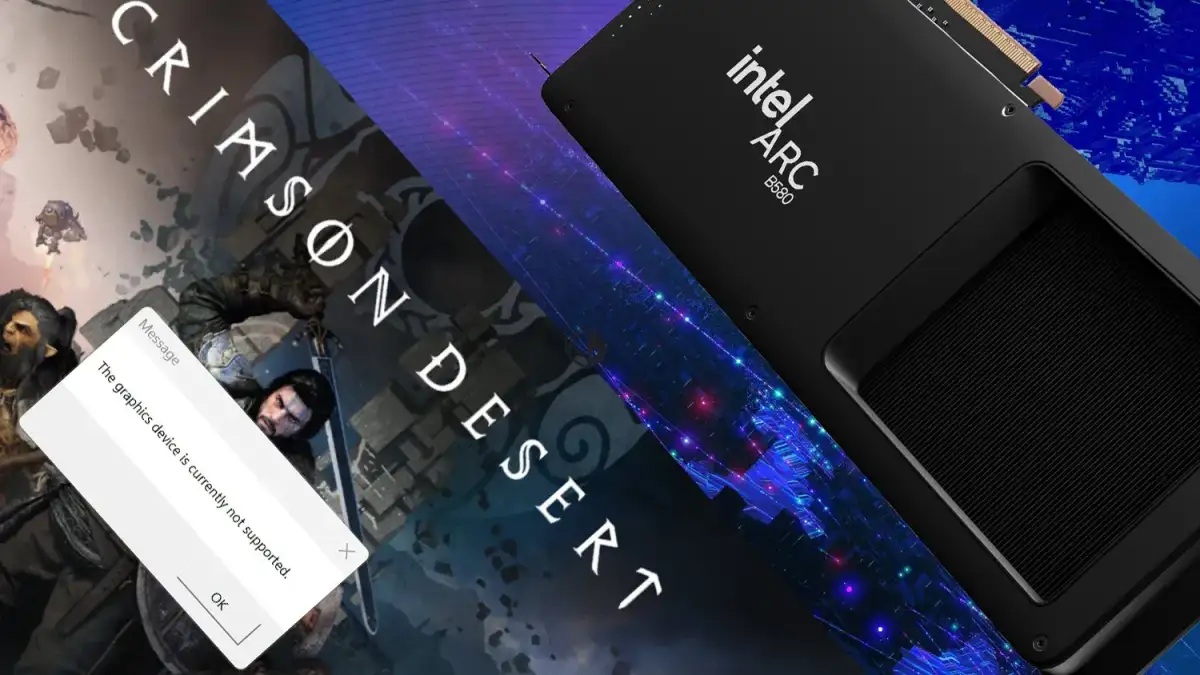
Compounding these performance concerns is the complete lack of support for Intel's Arc graphics cards. Developers at Pearl Abyss appear to have neglected collaboration with Intel during the game's development, a decision that has left a substantial segment of potential players unable to launch the game. Initial troubleshooting advice from Pearl Abyss suggested affected users seek refunds, a response that has since been walked back following public outcry and official statements from Intel. The game's FAQ explicitly states Intel Arc graphics cards are not supported, directing buyers to request refunds, with the developer stating direct communication is needed for details on this decision.
Read More: Danganronpa 2x2 Delayed to Early 2027, New Slayhem Mode Added
Simulation Errors Plague Gameplay
Beyond traditional frame rate metrics, tests have also highlighted a phenomenon termed 'simulation time error.' This metric quantifies instances where the game's internal simulation struggles to keep pace, further contributing to perceived lag and stuttering, often in scenarios where frame rates themselves seem acceptable. This indicates deeper synchronization issues within the game engine, distinct from mere rendering bottlenecks. This simulation error metric reveals problems not apparent from standard frame rate or frame time data, pointing to fundamental instability even when frame rates appear adequate.
Intel GPU Users Face Refund Demands, Developers Promise Fix
The exclusion of Intel hardware is particularly noteworthy given Intel's expanding presence in both the discrete GPU market with its Arc line and integrated graphics solutions found in a growing number of laptops and handheld gaming devices. Reports indicate that the game fails to launch on any system utilizing Intel graphics hardware, affecting not only dedicated Arc cards but also integrated graphics within Intel's recent CPU architectures like Meteor Lake, Lunar Lake, and Panther Lake. The error cleanly prevents Crimson Desert from launching on any system it detects is using Intel graphics hardware.
Read More: Witcher 3 Third Expansion "Songs of the Past" Coming 2027
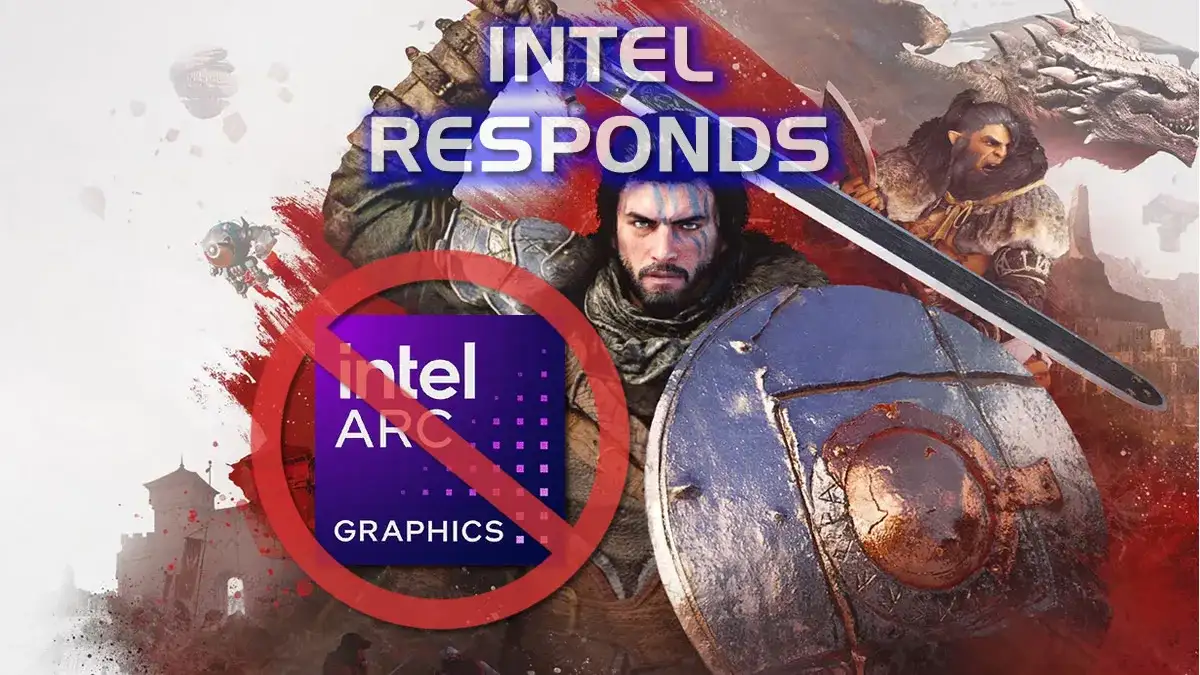
Intel has publicly stated they reached out to Pearl Abyss multiple times prior to launch, offering "early hardware, drivers, and engineering resources" to ensure compatibility. Intel claims to have provided extensive support across multiple hardware generations, including Alchemist, Battlemage, Meteor Lake, and Lunar Lake, yet this assistance was seemingly not utilized by Pearl Abyss. Despite the initial dismissive FAQ response, Pearl Abyss has since issued a statement via their official Twitter account, acknowledging the situation and stating they are "currently working on compatibility and optimization support." However, no specific timeline for a fix has been provided, leaving Intel users in limbo.
Unstable Performance Across Architectures
Testing conducted on launch day, including a day-zero patch, revealed that while average frame rates could be respectable on compatible hardware, frame time consistency remained a significant concern. This uneven performance contributes to a fragmented and less enjoyable player experience. Multiple bug reports cite general instability and unexpected behavior impacting gameplay.
Read More: Attack on Titan 3 lets players change game ending
Background: A Highly Anticipated Launch
Crimson Desert, developed by Pearl Abyss, arrived with considerable anticipation. The game's launch was intended to capitalize on a market ripe for ambitious open-world action titles. However, the confluence of performance issues and hardware incompatibility has significantly dampened the initial reception. The situation raises questions about the development pipeline and the extent of pre-launch testing and third-party hardware validation. The developer's initial stance and subsequent backtracking on Intel GPU support have fueled player frustration and speculation regarding internal priorities and communication strategies. The lack of proactive support for one of the three major GPU manufacturers, followed by a reactive stance, points to potential oversights in development and partner engagement.