The hallowed turf of cricket, often a stage for gentlemanly conduct, is increasingly becoming a battleground for raw emotion and, it seems, questionable officiating. Recent incidents involving Australia's Marnus Labuschagne highlight a disturbing trend: a blurring line between competitive fire and outright misconduct, with umpires caught in the crossfire and star players seemingly above reproach. This isn't just about a few heated exchanges; it's about the integrity of the game and whether the very people tasked with upholding it are truly equipped, or willing, to do so.
A Pattern of Passion, or a Perilous Path?
Marnus Labuschagne, a player known for his intense focus and sometimes eccentric on-field persona, has recently found himself at the centre of several controversies. The most prominent, a fiery run-in with England captain Ben Stokes during the Ashes, has reignited debate about player behaviour and the role of umpires.
Read More: Italy Beats Nepal in T20 World Cup Match
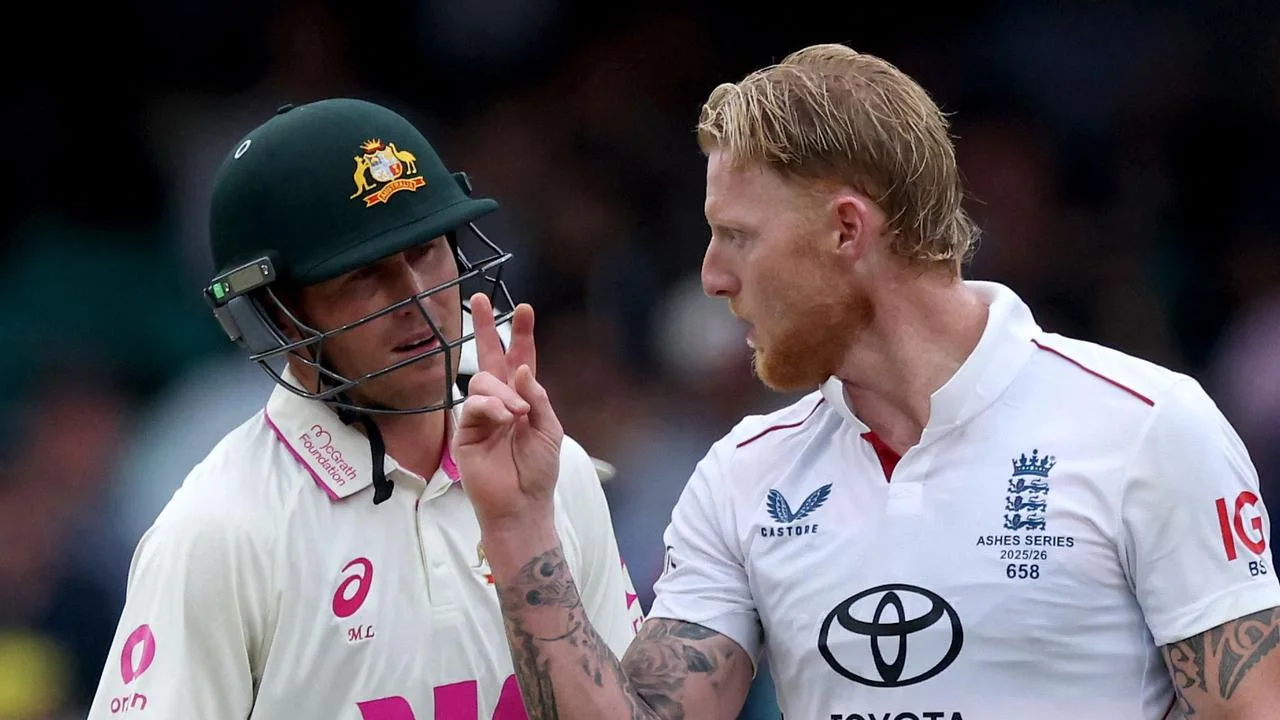
The Stokes-Labuschagne Showdown: Reports indicate that during a Test match, Stokes approached Labuschagne, placing an arm around his shoulder in what was described as an "aggressive manner" and giving him a "rough tap." This was followed by a verbal exchange, with Labuschagne apparently complaining about bad light. Why would a captain resort to such physical intimidation, even if subtle, in front of umpires and cameras? Was this a calculated tactic, as suggested by former teammate Stuart Broad, who claimed it was part of England's plan to unsettle Labuschagne?
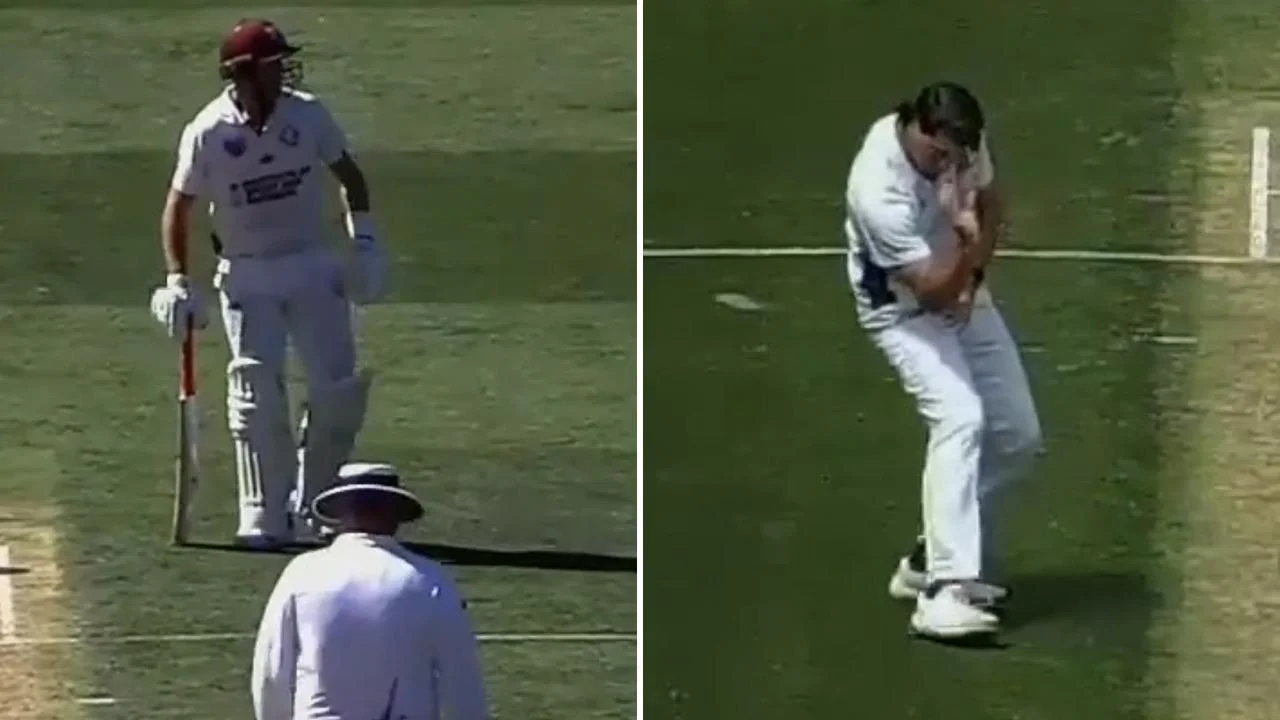
The Sheffield Shield Spark: Just days prior, Labuschagne was on the receiving end of a "fiery send-off" from Victoria's Sam Elliott in a Sheffield Shield match. Elliott's mimicry of Labuschagne's signature hand gestures seemed to further inflame the situation. Is a send-off in itself an escalation, or merely a form of competitive expression? And when does it cross the line into provocation? The fact that the pair were "back at it" on day two suggests a lingering tension.
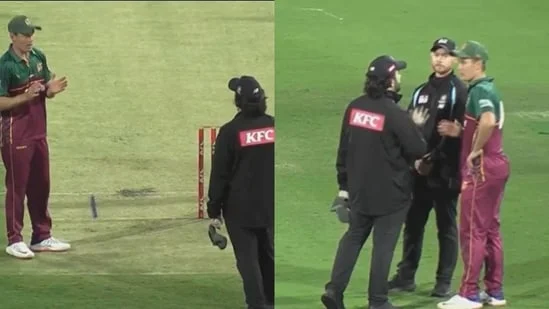
Grade Cricket's Grim Reminder: Even more concerning is Labuschagne's prior altercation in a grade cricket match. He reportedly engaged in a "fiery exchange with on-field umpires," losing his cool after a controversial "not out" decision. What exactly did Labuschagne say or do to warrant being told to "walk away" and potentially face suspension for "dissent"? The fact that this incident occurred well after the next delivery was bowled, and involved a mid-pitch meeting between umpires, suggests a significant breakdown in communication and respect.
Read More: Italian Athletes Do Well at Home in Winter Olympics
| Incident Type | Player Involved | Opponent/Context | Outcome/Action | Potential Repercussions |
|---|---|---|---|---|
| Physical intimidation & verbal | Ben Stokes | Marnus Labuschagne | Aggressive arm around shoulder, rough tap, words exchanged | Stokes facing potential penalty from match referee. |
| Fiery send-off & counter-reaction | Sam Elliott | Marnus Labuschagne | Mimicry of gestures, lingering tension | No official repercussions reported in this instance. |
| Dissent & umpire argument | Marnus Labuschagne | Grade Cricket Umpires | Heated discussion, told to walk away, potential charge | Potential suspension from domestic matches. |
The Umpire's Dilemma: Between Authority and Appeasement
The role of the umpire in cricket is sacrosanct. They are the arbiters of the game, responsible for ensuring fair play and adherence to the rules. However, recent events suggest they are increasingly being placed in untenable positions.
Umpires Intervening: In the Stokes incident, reports state that "umpires step in." What exactly did they do? Did they caution both players? Did they speak to Stokes directly about his actions? Similarly, in the grade cricket incident, umpires were seen in a "mid-pitch meeting" after Labuschagne's extended argument. Were these meetings effective in de-escalating the situation or asserting authority?
The Spectacle of Disagreement: The broadcast of the grade cricket match showed Labuschagne in a "heated discussion… continuing well after the next delivery was bowled." This prolonged display of dissent, visible to a wider audience, begs the question: When does an umpire's duty to manage a player's emotions turn into enabling continued disruption? Commentators suggested Labuschagne could be cited for dissent. If the potential for such a charge exists, why wasn't a firmer line taken immediately?
International vs. Domestic Discipline: It's crucial to note that the conduct commissioner who polices domestic discipline "does not have any powers regarding international matches." This creates a potential loophole, where behaviour deemed unacceptable at a lower level might be tolerated, or handled differently, on the international stage. Does this disparity in enforcement encourage a "different standard" for top-tier players?
Behind the Banter: Strategic Play or Slippery Slope?
The line between genuine passion and calculated gamesmanship is often thin in professional sport. Some argue that these incidents, particularly the Stokes-Labuschagne encounter, were part of a broader strategic battle.
Read More: India vs Pakistan Match in T20 World Cup 2026 Will Happen
England's "Plan": Stuart Broad's suggestion that Stokes' actions were part of a plan to "unsettle Labuschagne" is a serious allegation. If such tactics are deemed acceptable, where does this leave the spirit of cricket? Are we moving towards a game where psychological warfare, even bordering on intimidation, is a legitimate strategy?
The "Get Out There and Have a Crack" Mentality: Stokes' alleged comment, "You’re playing for your country, so get out there and have a crack," when Labuschagne was complaining about bad light, speaks volumes. Is this a call for resilience, or a dismissal of legitimate concerns about playing conditions? Could this statement have been misconstrued or used to justify an aggressive approach?
The Player as a Brand: In today's hyper-connected world, every action on the field is amplified. Do players, aware of the scrutiny, intentionally push boundaries to create a narrative or gain a psychological edge? If so, how does this impact the image of cricket for younger generations watching?
Conclusion: A Call for Accountability
The recent outbursts and confrontations in cricket, particularly those involving Marnus Labuschagne, are more than just fleeting moments of temper. They are symptoms of a larger issue: the erosion of respect for the game's officials and a potential decline in the standards of sportsmanship.
Read More: Lindsey Vonn Hurt in Ski Race Crash
The Need for Consistent Enforcement: Cricket authorities must ensure that rules regarding player conduct, especially dissent and unsportsmanlike behaviour, are applied consistently across all levels of the game. The distinction between international and domestic discipline needs to be addressed to prevent perceived hypocrisy.
Umpire Empowerment: Umpires need the unwavering support of the cricketing establishment to enforce decisions firmly and without fear of reprisal. Their authority must be recognized and respected by players. Are umpires adequately trained and empowered to handle escalating player behaviour?
Player Responsibility: While competitive fire is essential, players, especially those in leadership roles like Ben Stokes, must set a positive example. Are post-match reviews and disciplinary actions for such incidents robust enough to deter future occurrences?
Future Implications: If these trends continue unchecked, cricket risks losing its identity as a gentleman's game. The public's trust in the integrity of the sport, and the fairness of its contests, could be severely damaged. The upcoming ODI series in England, where Labuschagne will join the Australian squad, will undoubtedly be watched with a keener eye for any further signs of friction. Will the lessons learned, or ignored, from these recent incidents shape the conduct of players on that tour?
The game demands passion, but it also demands discipline. It's time for a serious reckoning within the sport to ensure that the spectacle on the field doesn't devolve into a circus of unchecked emotion and disputed authority.
Read More: Babar Azam's Father Speaks Out, Causes Debate Among Cricket Stars
Sources:
Stokes facing 'trip to the referee' after grabbing Labuschagne: https://www.nine.com.au/sport/cricket/ashes-news-2026-ben-stokes-marnus-labuschagne-incident-video-fifth-test-adam-gilchrist-comments-20260105-p5nru2.html
Umpires step in over Marnus blow-up as star fumes after fiery send-off — Shield wrap: https://www.foxsports.com.au/cricket/domestic-cricket/sheffield-shield/cricket-australia-2026-sheffield-shield-scores-victoria-vs-queensland-new-south-wales-vs-south-australia-marnus-labuschagne-blows-up-over-sam-elliott-sendoff/news-story/a9962be63136c577c1fd6cb3687b048f
What Stokes’ fiery hand gesture to Marnus meant as cunning England ‘plan’ revealed: https://www.foxsports.com.au/cricket/the-ashes/ashes-2026-ben-stokes-could-be-punished-for-marnus-labuschagne-incident-video-what-did-he-say-reaction/news-story/6d4f0af9a7339ee6ba899403683a3126
Marnus Labuschagne loses cool, told to walk away after arguing aggressively with umpire; could face suspension: https://www.hindustantimes.com/cricket/marnus-labuschagne-loses-cool-told-to-walk-away-arguing-aggressively-with-umpire-could-face-suspension-t20-max-101726054169040.html
Marnus Labuschagne Faces Potential Suspension After Dissent Controversy In Grade Cricket: https://cricshots.com/marnus-labuschagne-faces-potential-suspension-after-dissent-controversy-in-grade-cricket/


)