A recent theft involving snow crabs, blueberries, and cologne, valued at approximately $750,000, has brought renewed attention to a larger trend of cargo theft impacting the United States supply chain. This incident, alongside reports of other high-value seafood heists and a general surge in cargo pilfering, points to increasing sophistication and organization within these criminal activities. The scale and methods employed in these thefts suggest a systemic issue that affects both businesses and consumers.
Overview of the Crab and Seafood Thefts
Reports indicate a series of coordinated thefts targeting high-value goods, with seafood being a notable focus.
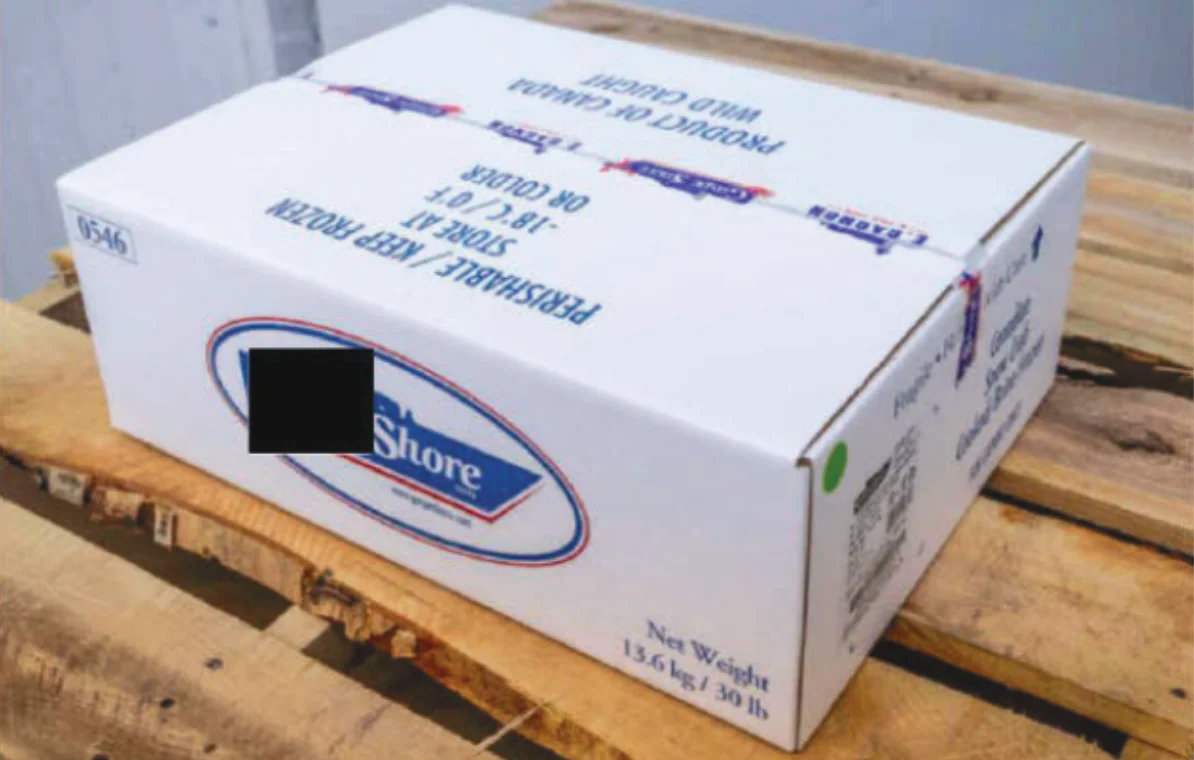
In February 2026, Romoy Forbes, a 31-year-old Jamaican national, was arrested in connection with the theft of snow crabs, blueberries, and cologne worth an estimated $750,000. According to an FBI affidavit, Forbes allegedly used hacked email addresses to impersonate drivers from legitimate trucking companies to secure these shipments.
This method mirrors an earlier incident where Forbes purportedly used a compromised email address from a second trucking company to arrange the transport of blueberries to Illinois.
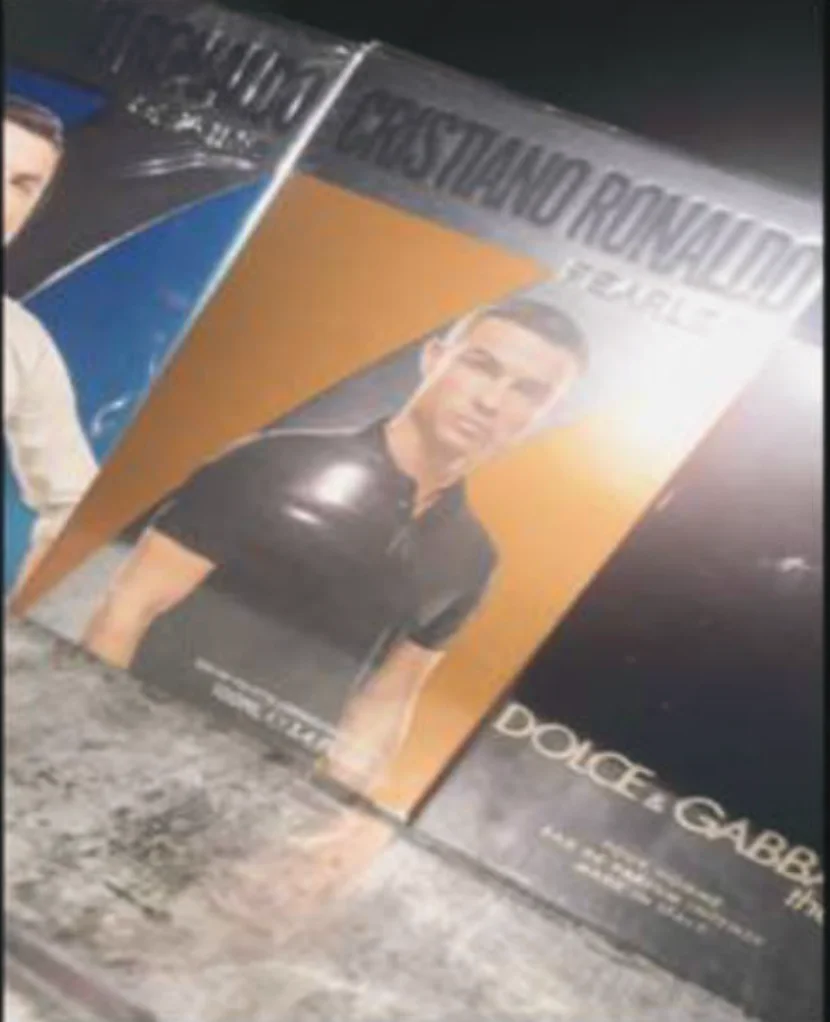
Prosecutors claim Forbes was working with a co-conspirator. Before the crab heist, they allegedly stole a shipment of blueberries in June 2025 in Winslow Junction, N.J., and in July 2025, approximately $433,830 worth of cologne was stolen in Ronkonkama, N.Y.
Instead of delivering the blueberries to their intended customer in Illinois, Forbes allegedly arranged to sell them to a contact he referred to as "My customer for everything." Similarly, the stolen cologne was offered to the same contact, not the intended recipient in California.
Forbes allegedly arrived at a warehouse in Worcester, pretending to work for a carrier, loaded the seafood, and then transported it to a grocery store business in Queens, N.Y., where he photographed the crab pallets.
In January 2026, a trio of commercial seafood thefts occurred in New England, including crabs and lobsters, highlighting the problem of cargo theft.
Another report details a lobster heist worth over $400,000 in New England around December 2025.
Methods and Organization of Cargo Theft
The investigation into these incidents reveals a pattern of advanced criminal tactics.
Read More: Businessman Frank Stronach Faces Sex Assault Trial
Email Hacking and Impersonation: A key element in Forbes's alleged operations involved compromising trucking company email accounts. This allowed him to pose as an authorized driver and bid on, and win, legitimate shipping jobs.
Was the initial hacking of the email account conducted by Forbes himself, or by a co-conspirator?
Strategic Theft: Law enforcement and industry experts point to a rise in "strategic theft," a more sophisticated form of cargo pilfering. This suggests a deliberate and organized approach rather than opportunistic crime.
Organized Crime Involvement: The Federal Bureau of Investigation (FBI) considers cargo theft to be a form of organized crime. Some industry professionals, like Scott Jones of the Sheet Metal Air Rail Transportation (SMART) Union, have stated it is "organized crime at the highest."
Resale Networks: Evidence suggests that stolen goods are being funneled into resale channels. Forbes allegedly arranged to sell the stolen blueberries and cologne to a single contact. Another report suggests stolen lobster was taken to a New York City seafood market and sold at a steep discount.
Broader Implications and Industry Response
The increasing frequency and value of cargo thefts have significant ramifications for the U.S. supply chain.
Read More: Political Parties Disagree on Election Chances

Economic Impact: Cargo theft costs the average consumer through increased retail prices, as indicated by statements from individuals like Jacobs.
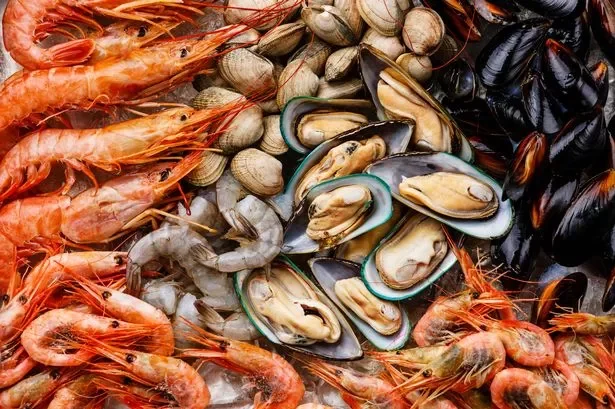
Supply Chain Disruption: These thefts disrupt the flow of goods, impacting businesses that rely on timely and secure deliveries. Food items, particularly seafood, have been identified as prime targets.
Industry Calls for Action: The ongoing problem has led to calls for better federal coordination of cases, with bodies like the Senate Subcommittee on Surface Transportation, Freight, Pipelines, and Safety focusing on the issue.
Regulatory Scrutiny: The Federal Motor Carrier Safety Administration (FMCSA) has taken actions such as revoking Electronic Logging Devices (ELDs), indicating a broader regulatory effort to address compliance and security issues within the trucking industry.
Conclusion
The recent $750,000 crab, blueberry, and cologne heist, allegedly orchestrated by Romoy Forbes using sophisticated cyber-attack methods, serves as a clear indicator of the escalating problem of cargo theft. The pattern of using hacked emails to impersonate legitimate carriers, coupled with evidence of pre-existing resale networks and acknowledgment of organized crime involvement by agencies like the FBI, paints a picture of a well-established criminal enterprise. The consistent targeting of high-value goods, particularly seafood, underscores the vulnerability of current supply chain security measures. The financial losses incurred by businesses and the indirect cost passed to consumers highlight the urgent need for enhanced federal coordination and improved security protocols within the logistics sector. The ongoing investigations into Forbes's alleged activities, and the broader trends they represent, suggest continued focus from law enforcement and industry stakeholders.
Read More: Man Charged with Murder in Belfast
Sources Used:
Article 1: Accused cargo thief makes off with snow crab, blueberries, and cologne worth $750K. (February 5, 2026). The Independent. https://www.independent.co.uk/news/world/americas/cargo-theft-snow-crab-trucking-federal-crime-b2914946.html
Article 2: Man Charged in Organized Cargo Theft of Snow Crab, Blueberries, Cologne. (February 6, 2026). Insurance Journal. https://www.insurancejournal.com/news/east/2026/02/06/857191.htm
Article 4: Oyster, crab, lobster thieves strike back-to-back in New England. (January 1, 2026). The Washington Post. https://www.washingtonpost.com/nation/2026/01/01/seafood-cargo-theft-lobster-crab/
Article 5: Heists and Hijackings: How rampant cargo theft is costing America’s supply chain billions. (September 22, 2025). InvestigateTV. https://www.investigatetv.com/2025/09/22/heists-hijackings-how-rampant-cargo-theft-is-costing-americas-supply-chain-billions/
Article 6: Crab Heist Puts Spotlight on Surge of Cargo Thefts. (February 13, 2026). DNYUZ (via The New York Times). https://dnyuz.com/2026/02/13/crab-heist-puts-spotlight-on-surge-of-cargo-thefts/
Article 7: $400,000 Lobster Heist: Oysters and Crab Stolen in New England. (December 31, 2025). NEWSNOWCHICAGO. https://newsnowchicago.com/top/400000-lobster-heist-oysters-and-crab-stolen-in-new-england/
Article 8: Cargo thieves are attacking the U.S. supply chain at alarming rates. (May 9, 2025). CNBC. https://www.cnbc.com/2025/05/09/cargo-thieves-attack-supply-chain.html
Read More: Stephen A. Smith Thinking About Running for President in 2028