
A recent High Court decision has upheld guidance from the Equality and Human Rights Commission (EHRC) concerning access to single-sex public facilities. The court dismissed a legal challenge brought by the Good Law Project and anonymous claimants who argued the guidance was flawed. This ruling addresses the complex interplay between existing equality law, a recent Supreme Court decision on biological sex, and the practical application of these principles for transgender individuals.
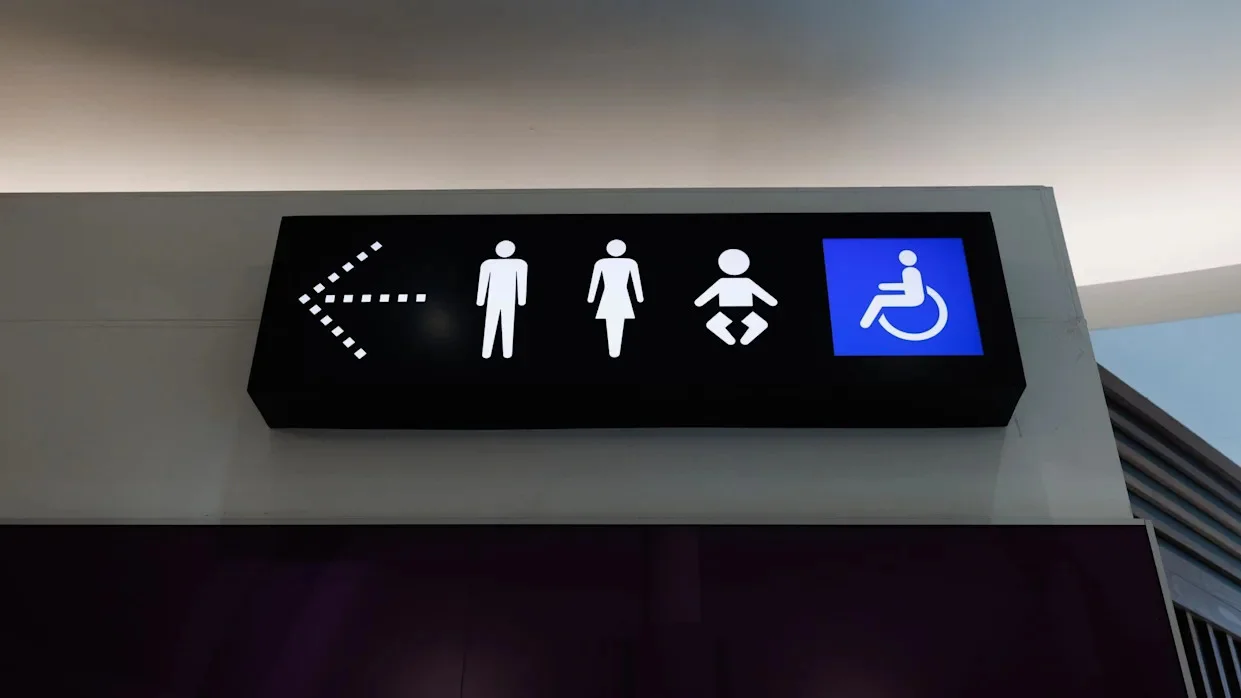
The core of the dispute lies in how employers and service providers should interpret and apply the Equality Act 2010, particularly after the Supreme Court ruled in April 2025 that terms like "woman" and "sex" in the Act refer to biological sex. The EHRC’s interim guidance, issued in response to this ruling, offered advice on the provision of single-sex toilets and changing rooms. Critics claimed this guidance was overly simplistic and could negatively impact transgender people, while supporters argued it was a necessary clarification of the law.
Read More: AI Training Copyright Lawsuits Cause Legal Fights in US and Europe

Guidance and Legal Framework
The EHRC's interim guidance, published shortly after the Supreme Court's ruling, provided advice to employers and service providers on maintaining single-sex spaces. The guidance stated that in workplaces and public facilities where single-sex spaces are lawfully provided, transgender women (biological males) should not be permitted to use women's facilities if this would mean the facility is no longer single-sex. Similarly, transgender men (biological females) should not use men's facilities under these circumstances. The guidance also suggested that providing additional mixed-sex facilities could help meet the needs of transgender people.

Equality Act 2010: The foundational legislation that prohibits discrimination based on various protected characteristics, including sex and gender reassignment.
Supreme Court Ruling (April 2025): This decision interpreted "woman" and "sex" within the Equality Act as referring to biological sex.
EHRC Interim Guidance: Issued following the Supreme Court ruling, it advised on the provision and access to single-sex facilities, emphasizing the legal definition of sex.
"Proportionate" Exclusion: Following the Supreme Court's decision, the law allows for the exclusion of trans individuals from single-sex spaces if deemed "proportionate."
Key Arguments in the Challenge
The legal challenge was spearheaded by the Good Law Project (GLP) and three anonymous claimants. They contended that the EHRC's guidance was "legally flawed" and "overly simplistic."

Claimants' Position:
The guidance was seen as creating a "climate of fear" for transgender people.
It was argued that the guidance gave "categorical and clear advice" that transgender people should not use facilities aligning with their gender identity.
A practical concern was raised about the enforcement of the guidance, questioning how employers could implement it without potentially "outing" individuals.
One claimant, a trans man, shared an experience where he was instructed to stop using the men's toilets at work, citing the interim guidance, and was directed to use women's or disabled facilities, which he found distressing.
EHRC's Defense:
The EHRC maintained that its guidance was a lawful interpretation of the Equality Act in light of the Supreme Court ruling.
They denied that the guidance breached the human rights of trans people.
The guidance aimed to clarify that failing to provide a single-sex lavatory could constitute indirect sex discrimination against women.
It was asserted that any single-sex lavatory would cease to be single-sex if transgender individuals were permitted to use it in a manner contrary to their biological sex.
Court's Rationale and Ruling
The High Court, presided over by Mr. Justice Swift, dismissed the challenge, endorsing the EHRC's interim guidance as an accurate statement of the law for employers and service providers.
Read More: New Suspected Meningitis Case at College Not Linked to Kent Outbreak
Endorsement of EHRC Interpretation: The court found the EHRC's interpretation of the law to be valid.
"Transsexual Persons" and the Equality Act: The ruling indicated that under the Equality Act, "transsexual persons" do not possess an inherent right to use opposite-sex toilets or changing rooms when those facilities are designated as single-sex based on biological sex.
Indirect Sex Discrimination: The court agreed with the EHRC that failing to provide single-sex facilities could amount to indirect sex discrimination against women.
Definition of Single-Sex Facilities: The ruling affirmed that a facility designated as single-sex would lose its single-sex status if individuals who are not of the designated sex were permitted to use it.
Implications and Next Steps
The High Court's decision has significant implications for how single-sex spaces are managed in public and workplaces across the UK. The guidance, though interim and since withdrawn from the EHRC website, has been legally validated.
Current Legal Standing: The High Court's ruling clarifies the legal position for employers and service providers regarding single-sex facilities, aligning with the interpretation that sex in the Equality Act refers to biological sex.
Consideration of Final Guidance: UK ministers are still deliberating on final guidance from the EHRC, which will provide further direction on implementing the Supreme Court's ruling in practice.
Ongoing Debates: The ruling is likely to continue to fuel discussions surrounding transgender rights, sex-based rights, and the practical application of equality law. Questions remain about the precise mechanisms for ensuring "proportionate" exclusion and the provision of alternative facilities.
The case highlights the ongoing efforts to reconcile different legal interpretations and societal expectations regarding gender identity and sex-based rights in the United Kingdom.
Used Sources:
BBC News: https://www.bbc.com/news/articles/c2lrd0ey074o - Provides a general overview of the High Court's decision and the background of the legal challenge.
Sex Matters: https://sex-matters.org/posts/updates/high-court-rules-ehrc-guidance-lawful/ - Offers a detailed explanation of the court's findings from a perspective that supported the EHRC.
The Guardian: https://www.theguardian.com/law/2026/feb/13/good-law-project-loses-challenge-interim-ehrc-advice-single-sex-spaces - Reports on the dismissal of the challenge, mentioning the interim nature of the guidance and ongoing considerations for final rules.
Butterflies and Wheels: https://www.butterfliesandwheels.org/2026/legal-challenge-dismissed/ - Confirms the dismissal of the legal challenge and the High Court's ruling on the lawfulness of the EHRC guidance.
CRBC News: https://www.crbcnews.com/articles/691679db6fdae3faf101d4f0 - Details the arguments presented by the claimants and the EHRC during the High Court hearing.
Independent: https://www.independent.co.uk/bulletin/news/trans-supreme-court-single-sex-women-toilets-b2740855.html - Provides context on the EHRC's guidance, criticisms, and the Supreme Court ruling.