

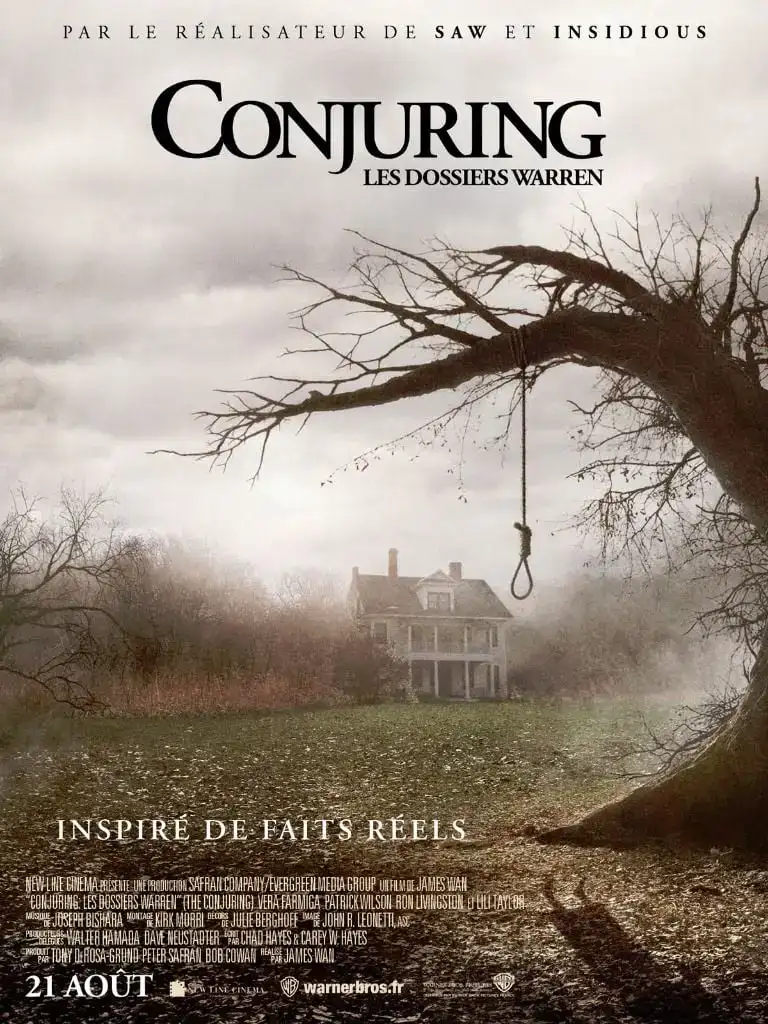
Recent examinations surrounding the "Conjuring" film franchise, which purports to detail the exploits of real-life paranormal investigators Ed and Lorraine Warren, raise persistent questions about the veracity and potential exploitation embedded within their widely publicized cases. The narrative, amplified by blockbuster films and extensive media coverage, now faces scrutiny regarding the very nature of the Warrens' work: were they genuine spiritual saviors or shrewd purveyors of fabricated phenomena?
The films, particularly "Conjuring: The Beginning" (2013), and subsequent installments, have brought the Warrens to global prominence, solidifying their image as world-renowned demon hunters. Yet, beneath the veneer of cinematic horror, a persistent undercurrent of doubt questions whether their alleged encounters with the supernatural are more akin to elaborate hoaxes than authentic spiritual battles.
Deconstructing the Narrative
The cinematic presentation of the Warrens, embodied by actors Patrick Wilson and Vera Farmiga, has successfully captured public imagination. However, critics and researchers point to a pattern of alleged inconsistencies and outright fabrications within the Warrens' own accounts. The Perron family's experience, a central focus of the first film, is one such case where the sensationalized retelling has drawn particular attention. While the film portrays a terrifying ordeal involving a malevolent entity, the "real story" behind these events is subject to intense debate, with many suggesting a more mundane explanation for the perceived paranormal activity.
Read More: The Devil's Rain 4K release sparks debate on cult status
The very process of bringing these stories to the screen has, ironically, amplified the questions surrounding their authenticity. Reports from the film's production, such as alleged 'paranormal' disturbances during calls with Lorraine Warren and physical marks appearing on actress Vera Farmiga, have been interpreted by some as reinforcing the "reality" of the events, while others view them as calculated theatrical embellishments designed to bolster the myth.
Read More: Texas Pastor Links UFO Files to End-Times Prophecy
The Spectacle of the Supernatural
The "Conjuring" franchise, alongside its various spin-offs like Annabelle and The Nun, has meticulously crafted a universe where the lines between documented fact and fictional embellishment are blurred. This cinematic approach, spearheaded by director James Wan, employs techniques that enhance the perception of genuine dread and a palpable sense of otherworldly presence. The isolated farmhouse setting in the Perron case, for instance, is used to cultivate a slow-burn tension, creating an atmosphere where fear is not merely a visual effect but a profound experience rooted in belief and the transgression of perceived boundaries.
"The music, with its dissonant swells and deep vibrations, heightens the sense of an omnipresent entity."
The sonic landscape, often attributed to composer Joseph Bishara, plays a crucial role in this manufactured atmosphere. It is designed to amplify the feeling of unease, transforming ordinary settings into territories "occupied" by unseen forces. This sensory manipulation, coupled with the narrative's focus on the psychological impact on the families involved, contributes to a powerful illusion of lived paranormal experience.
Read More: Mortal Kombat 3 Script Done, But Studio Has Not Said Yes Yet
Background: The Warrens' Legacy
Ed and Lorraine Warren established themselves as prominent figures in the field of demonology and parapsychology in the mid-20th century. Their careers spanned decades, during which they investigated thousands of alleged hauntings and demonic possessions. Their public profile surged with the notoriety of cases like the Amityville Horror, which became a touchstone for their work and a significant influence on popular culture.
The "Conjuring" saga, beginning with "Conjuring: The Beginning" in 2013 and continuing through subsequent films such as "Conjuring 2: The Enfield Haunting" (2016), "Conjuring 3: The Devil Made Me Do It" (2021), and the recently released "Conjuring: The Judgment Day", has cemented their legacy in the cinematic realm. The films draw from their case files, presenting dramatic reenactments of what are claimed to be true paranormal encounters, featuring entities like the witch Bathsheba Sherman and other infamous spirits. However, a critical lens reveals a long history of skepticism surrounding the Warrens' methods and the validity of their claims, with accusations of fraud and sensationalism trailing their purported investigations.
Read More: Baba Vanga's 2026 UFO Prophecy Gains Attention After US Government Reports

:max_bytes(150000):strip_icc()/MORTAL-KOMBAT-II-LEWIS-TAN-050826-f54556c368f34929b0ed2ea7f658c792.jpg)


