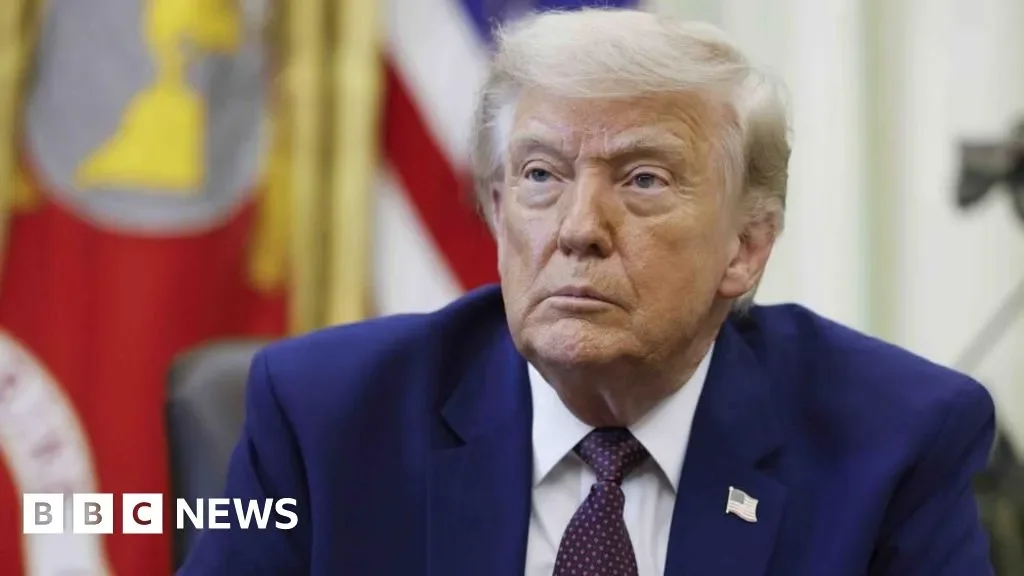
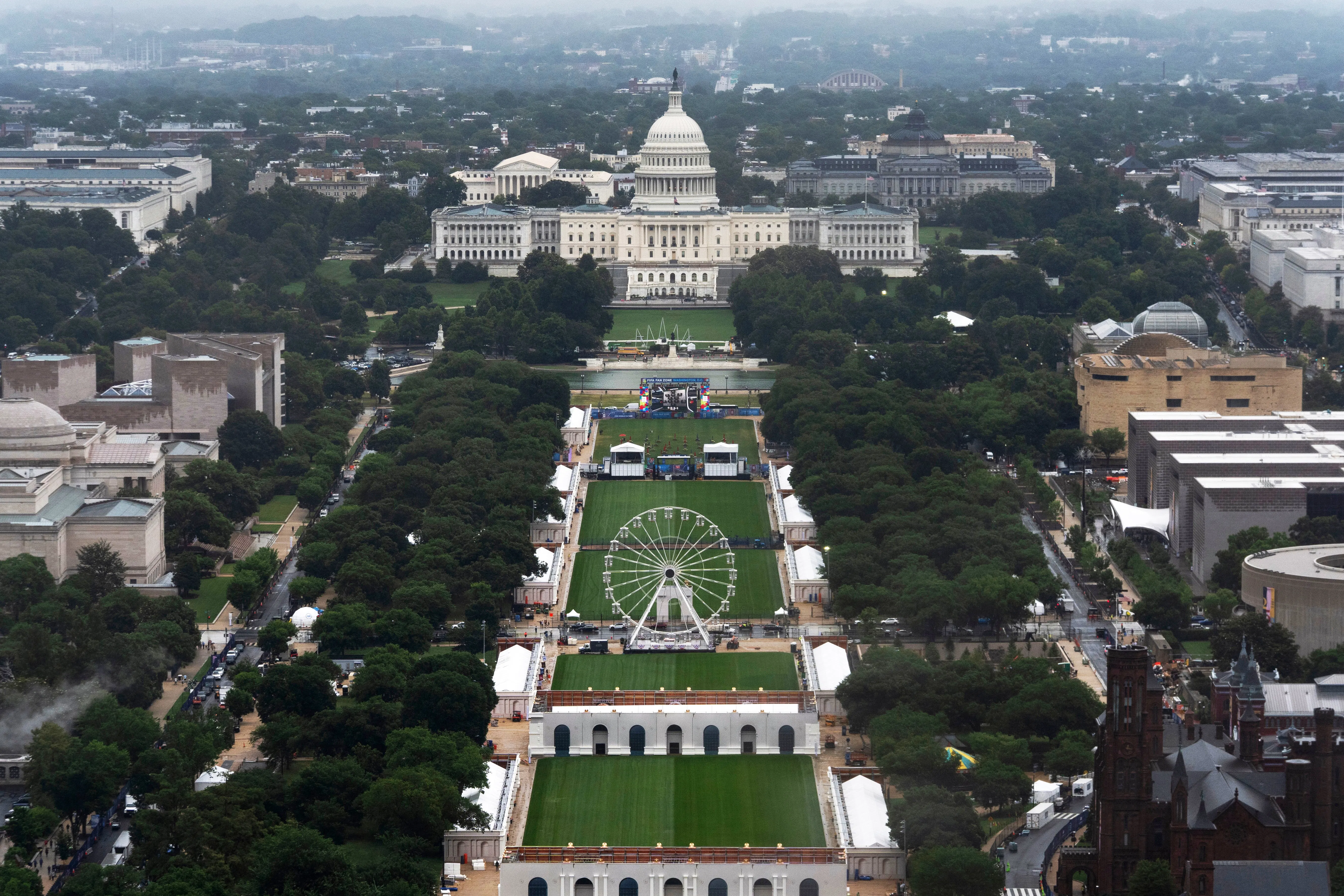
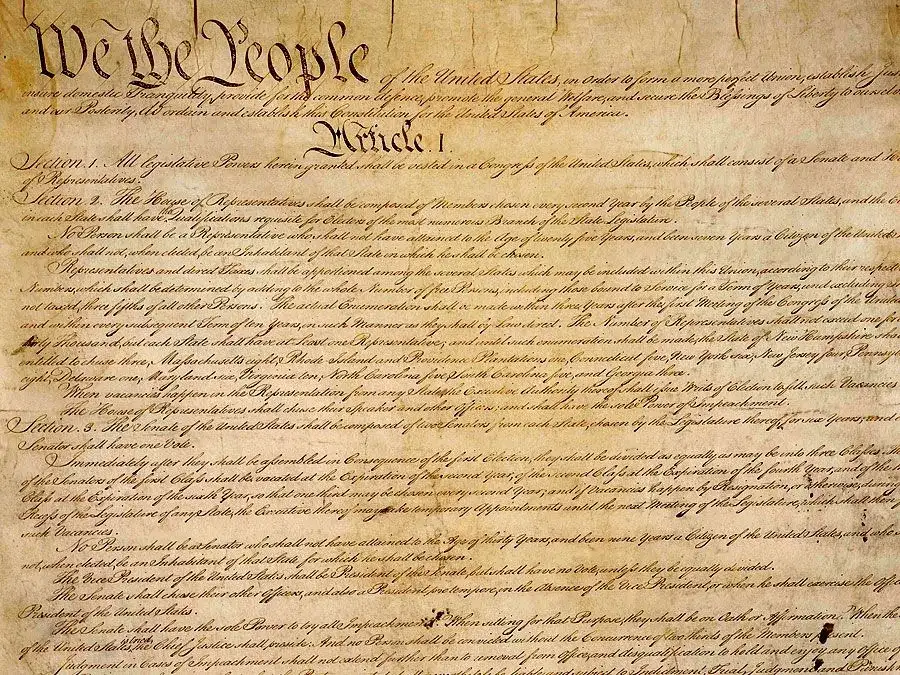
President Trump's attempts to enact broad cuts to federal agency budgets have met significant resistance from the U.S. Congress. While the administration proposed substantial reductions across various sectors, including science, health, and human services, lawmakers have, for the most part, approved spending bills that maintain funding close to current levels or restore proposed cuts. This ongoing dynamic indicates a divergence in fiscal priorities between the executive and legislative branches.

Background
The period under review saw President Trump propose substantial budget cuts across multiple government departments and programs. These proposals often targeted scientific research, health services, energy initiatives, and foreign aid, with notable exceptions made for defense and border security. The administration also explored leveraging budgetary mechanisms, such as impoundment and pocket rescissions, to bypass congressional appropriations.

Proposed Reductions: President Trump's budget proposals included significant cuts to agencies like the National Science Foundation (NSF), NASA science, and Department of Energy research programs. Specific areas mentioned for elimination or drastic reduction included economic and jobs programs, Native American programs, the Low-Income Home Energy Assistance Program (LIHEAP), and the Office of Federal Contract Compliance Programs. Foreign aid was also a major target, with billions in funding for USAID and the State Department identified for cuts.
Budgetary Tools: The administration reportedly explored or utilized tools such as impoundment, a mechanism to overrule Congress's spending decisions, and pocket rescissions, a maneuver to request clawing back approved funds late in the fiscal year. These tactics have raised questions regarding their legality and whether they circumvent Congress's constitutional power of the purse.
Congressional Response: In response, Congress has largely moved to reject these proposed cuts. Lawmakers, in appropriations bills, have allocated funds at or near existing levels for many agencies, including scientific research institutions. Bipartisan agreements, though sometimes reached late in the fiscal year, have been instrumental in overriding many of the administration's reduction efforts.
Congressional Rejection of Science Funding Cuts
Efforts by the Trump administration to slash budgets for science agencies like the NSF, NASA, and the Department of Energy have been consistently thwarted by Congress. Lawmakers have instead agreed to fund these areas at levels comparable to previous years.
Read More: Taiwan Holds Nantou County Drills to Prepare for State Collapse
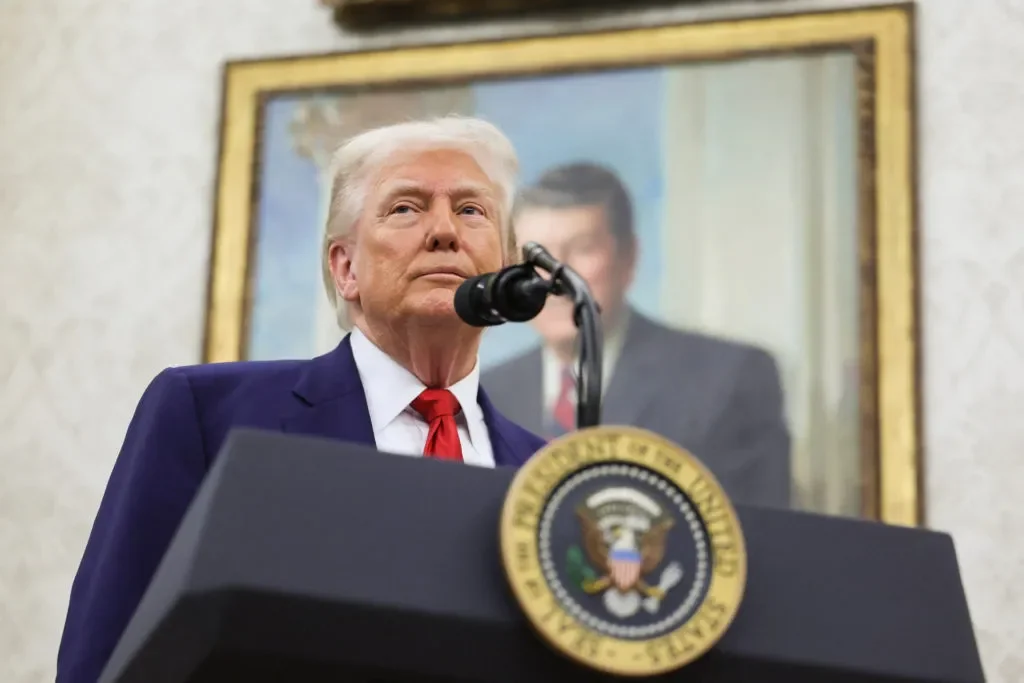
NSF, NASA, DOE: Congress has indicated its intent to reject sweeping cuts proposed for scientific agencies. Agreements reached on appropriations bills for these entities generally favor spending "very close to current levels," directly rebuffing the administration's reduction plans.
Research Overhead Costs: The administration also attempted to cut billions of dollars allocated for the overhead costs associated with research. An appeals court affirmed a ruling stating that the Trump administration could not cap these indirect research costs, further hindering these budgetary objectives.
Broader Impact: The science community has expressed relief as Congress has blocked these funding cuts, alleviating fears among scientists and lawmakers about the potential impact on research.
Rebuffing Reductions in Health and Human Services
Proposed budget cuts impacting health and human services programs have also been largely rejected by congressional appropriators.
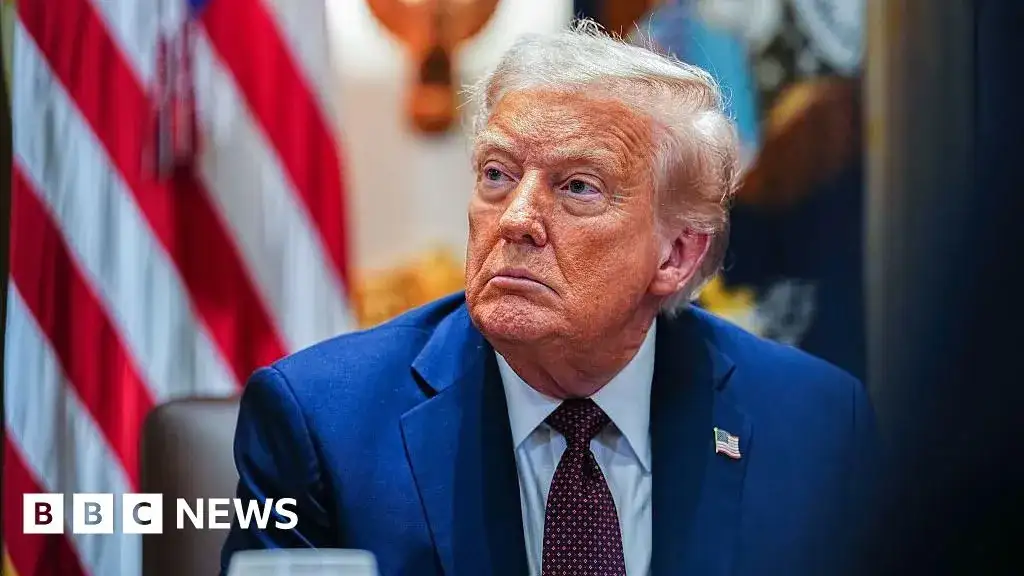
HHS Spending Bill: Congress has approved public health funding bills that reject nearly all of the major proposed cuts by the Trump administration. This includes the elimination of dozens of programs that were targeted for reduction.
Bipartisan Agreement: A significant development was the bipartisan agreement reached on the HHS funding bill in late January, marking the first such accord during President Trump's second term. This collaboration underscores a unified congressional stance against significant cuts in this sector.
Specific Programs: Cuts affecting areas such as mental health services and support for students have also been challenged, with Congress moving to maintain funding.
Foreign Aid: A Point of Contention
President Trump's efforts to reduce foreign aid have met with strong opposition, including legal challenges and congressional overrides.
Pocket Rescissions: The administration utilized a rare maneuver, known as a pocket rescission, to attempt to cut billions in foreign aid. This tactic, last seen nearly 50 years ago, involves requesting to withhold approved funds late in the fiscal year, hoping Congress cannot act within the timeframe, thus causing the money to lapse.
Legal and Congressional Challenges: This budgetary tactic has been questioned for its legality, with some experts and the Government Accountability Office arguing it bypasses Congress's authority. Appeals have been made to the Supreme Court to preserve foreign aid funds that the administration sought to freeze.
Scope of Cuts: Billions in funds for USAID and the State Department were targeted. The administration's stated goal was to cut approximately $5 billion in foreign aid, impacting programs related to global health, HIV/AIDS, peacekeeping operations, and development initiatives.
Voucher Programs and Public Schools
Budgetary proposals have also included the establishment of a federal voucher program, a move that has drawn strong opposition from education advocacy groups.
Federal Voucher Program: The Trump administration's budget proposals included creating a major federal voucher program. This initiative, aimed at directing public funds to private schools, has been a long-term goal for some factions, but it faces significant public and political headwinds.
Impact on Public Education: Critics, such as the National Education Association (NEA), argue that such programs would harm public schools, asserting that "most people do not want school voucher programs."
Republican Support: Reports indicate that most Republicans in Congress have not openly objected to drastic changes to spending proposed by the administration, including those impacting education.
Expert Analysis
The recurring pattern of Congress rejecting President Trump's proposed budget cuts highlights a fundamental division in policy priorities and a strong assertion of legislative power.
"Congress has been acting as a firewall against many of the administration's most significant proposed reductions, particularly in areas of scientific research and public health. The use of budget reconciliation and the bipartisan support for appropriations bills demonstrate a commitment to maintaining existing funding levels for these sectors, despite executive branch proposals."
"The administration's resort to budgetary maneuvers like pocket rescissions and discussions of impoundment underscore an aggressive stance on fiscal control. However, these actions have frequently encountered legal scrutiny and congressional opposition, suggesting that the power of the purse remains firmly within the legislative branch's purview."
Conclusion
President Trump's administration initiated numerous proposals aimed at achieving substantial budget reductions across a wide array of government functions and programs. However, the evidence indicates a consistent and largely successful effort by the U.S. Congress to reject these cuts. From major scientific agencies like NSF and NASA to critical health and human services programs, lawmakers have, by and large, upheld existing funding levels or restored proposed reductions. While the administration has explored various budgetary tools to enact its fiscal agenda, including controversial measures like pocket rescissions, these have frequently been met with legal challenges and legislative overrides. The primary implication of these events is the sustained assertion of congressional authority over budgetary matters, often in direct opposition to the executive branch's stated fiscal objectives. The future trajectory of such budgetary battles will likely depend on the ongoing interplay between presidential proposals and congressional appropriations.
Read More: Trump Directive May Cut 8,000 Federal Jobs After House Vote
Key Takeaway: Congress has demonstrably rebuffed President Trump's significant budget cut proposals across multiple sectors, maintaining funding levels through appropriations bills and legal challenges against executive actions.
Sources
Nature: https://www.nature.com/articles/d41586-026-00163-1 (Article 1: Focuses on Congress's rejection of science budget cuts, specifically for NSF, NASA, and DOE research programs, highlighting the intent to maintain funding close to current levels.)
Science.org: https://www.science.org/content/article/congress-set-reject-trump-s-major-budget-cuts-nsf-nasa-and-energy-science (Article 2: Details Congress's impending rejection of President Trump's significant budget cuts to NSF, NASA, and energy science, with lawmakers aiming for spending near current levels.)
NPR: https://www.npr.org/2025/05/02/nx-s1-5384318/trump-budget-cuts (Article 3: Discusses President Trump's proposals for large budget cuts, excluding defense and border security, and notes that while Congress may not pass the budget, most Republicans have not openly opposed the changes. It also mentions the possibility of impoundment.)
CTMirror: https://ctmirror.org/2026/02/06/congress-rebuffs-trumps-33b-in-cuts-to-health-human-services/ (Article 4: Reports on Congress approving public health funding bills, largely rejecting President Trump's proposed $33 billion in cuts to health and human services and eliminating dozens of programs.)
PBS NewsHour: https://www.pbs.org/newshour/politics/46-programs-trump-wants-to-eliminate-according-to-his-proposed-budget (Article 5: Lists 46 programs the Trump administration proposed for elimination in its budget, covering economic, Native American, and legal/labor areas, among others.)
Democrats' House Appropriations Committee: https://democrats-appropriations.house.gov/news/press-releases/new-trump-continues-block-least-425-billion-dollars-funding-owed-american (Article 6: Releases updated information detailing President Trump freezing at least $425 billion in federal funds, accusing the administration of violating federal laws by blocking critical investments and investments in energy projects, scientific research, and community services.)
BBC News: https://www.bbc.com/news/articles/cdj2vldpd1do (Article 7: Covers President Trump's move to cut $5 billion in foreign aid using a rare pocket rescission maneuver, which experts question for its legality and its circumvention of Congress.)
National Education Association (NEA): https://www.nea.org/nea-today/all-news-articles/trumps-budget-bill-attack-public-schools-working-families-and-immigrants (Article 8: Critiques Trump's budget proposals, particularly the creation of a federal voucher program, arguing it will harm public schools and that most people oppose such programs.)
U.S. Congressman Jake Auchincloss: https://auchincloss.house.gov/news/in-the-news/congress-nixes-trump-research-funding-cuts-easing-fears-among-mass-scientists-and-lawmakers (Article 9: Reports that Congress has rejected President Trump's proposed cuts to research funding, including bolstering funding for the National Institutes of Health and preventing cuts to research overhead costs.)
TIME: https://time.com/7342386/trump-government-cuts-foreign-aid-health-climate-workers/ (Article 10: Outlines President Trump's actions to cut government spending in his second term, targeting clean energy incentives, health agencies, foreign aid, and the federal workforce, with some health agency cuts facing legal challenges.)
TTNews: https://www.ttnews.com/articles/house-passes-2026-funding (Article 11: States the Republican-controlled House passed 2026 funding measures, restoring money for medical research, education, and refugee aid while retaining some White House-backed cuts, with the President intending to sign these measures.)
NBC News: https://www.nbcnews.com/science/science-news/trump-science-research-funding-cuts-congress-rebuffed-rcna256793 (Article 12: Explains how Congress has acted as an ally to the science community, rebuffing the Trump administration's attempts to cut science research funding, including grant money flow and overhead costs, and notes that courts have also pushed back on capping indirect research costs.)
PBS NewsHour: https://www.pbs.org/newshour/politics/trump-blocks-4-9b-in-foreign-aid-congress-okd-using-maneuver-last-seen-nearly-50-years-ago (Article 13: Details President Trump blocking $4.9 billion in foreign aid approved by Congress, using a pocket rescission tactic. It highlights the appeal to the Supreme Court and the administration's focus on cutting foreign aid despite potential damage to America's reputation.)