A prototype clear nail polish, developed by researchers at Centenary College of Louisiana, could soon allow individuals with long fingernails to interact with capacitive touchscreens more effectively. The experimental formula aims to imbue nails with the necessary conductivity to register touch commands, addressing a long-standing friction point between a prevalent aesthetic choice and ubiquitous technology.
The core challenge lies in the nature of modern touchscreens, which primarily rely on 'capacitive' technology. These screens detect the electrical charge held by human skin. Long fingernails, being non-conductive, typically fail to trigger these sensors, turning stylish appendages into functional impediments.

"To make long fingernails touchscreen compatible, they need to carry a small electric charge."
Researchers experimented with various combinations, blending thirteen commercially available clear nail polishes with over fifty different additives. The goal was to achieve a conductive finish without compromising polish compatibility or introducing toxic elements.
Read More: Chrome mimeHandler API lets extensions handle file types
One promising formulation involves ethanolamine, which provides conductivity but also presents toxicity concerns. This suggests ongoing refinement is necessary, as even the most effective current iteration—an ethanolamine-taurine blend—is reportedly inconsistent in its performance.
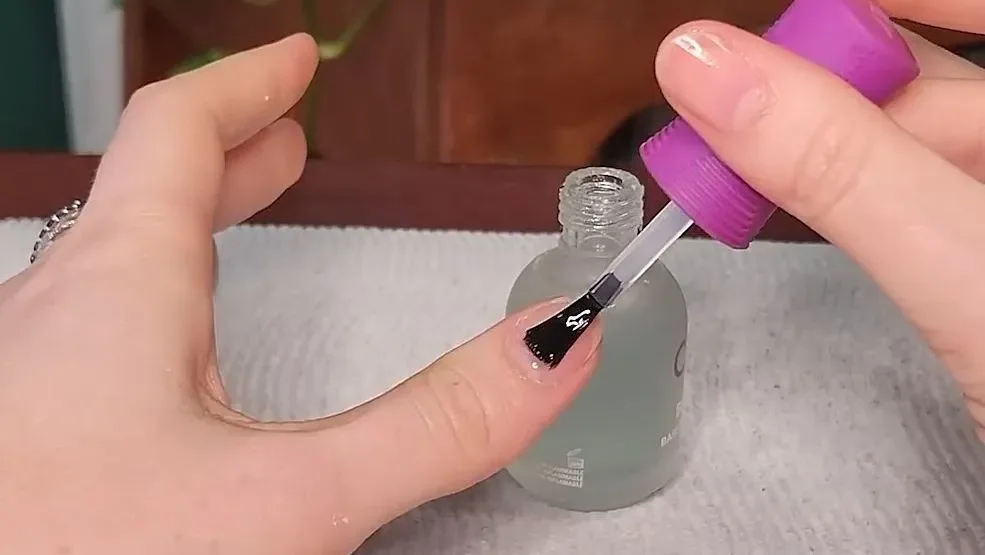
The project was reportedly inspired by observations of people struggling to operate smartphones with long nails, including a phlebotomist. This sparked the inquiry into whether a touchscreen-compatible nail solution would be welcomed.
Development Details and Theoretical Underpinnings
The creation process involved meticulous trial and error. Manasi Desai, an undergraduate student at Centenary College, guided by her advisor, organometallic chemist Joshua Lawrence, spearheaded the research.
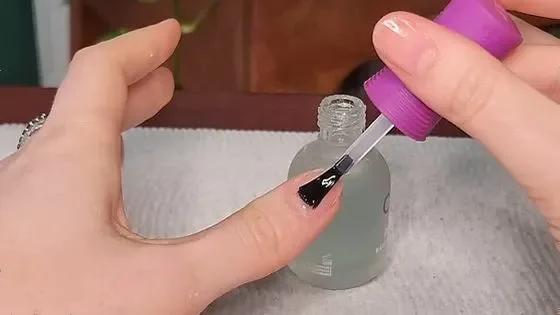
The proposed mechanism for conductivity involves the polish interacting with the touchscreen's electric field. It is theorized that when this interaction occurs, protons may transfer between molecules within the polish, subtly altering its capacitance just enough for the screen to register a touch event. This explanation draws parallels to acid-base chemistry principles.
Read More: Gucci Westman brand strategy for 2026 skin-first makeup routines
Existing Solutions and Future Prospects
While this new prototype seeks a readily applicable polish, other approaches to the long nail/touchscreen dilemma have emerged. Past solutions have involved incorporating conductive polymers, carbon nanotubes, or metallic particles into nail coatings, or offering press-on nail tips designed for stylus-like interaction.
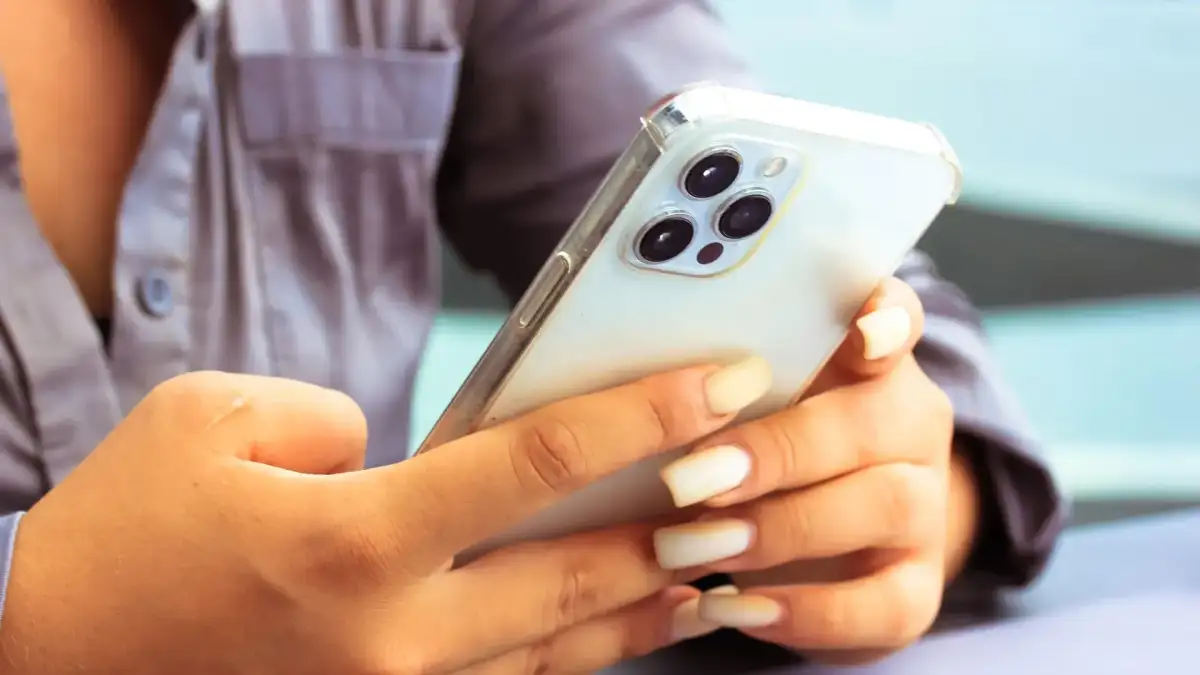
The Centenary College invention is still a work in progress. The researchers acknowledge that widespread availability on store shelves is not imminent, indicating further development and testing are anticipated.
Background
The proliferation of touchscreen devices, from smartphones to tablets, has become a defining characteristic of modern personal technology. Their intuitive interfaces have, however, inadvertently created usability challenges for certain demographics. Individuals with long fingernails, a common fashion choice, often find their nails obstructing or failing to register on capacitive screens. This mismatch between a personal style and technological function has persisted, prompting various attempts at a solution. Previous commercially available products, such as 'Nano Nails' (emerging around 2015), offered press-on tips or full nail replacements designed to conduct electricity. The current research represents an effort to integrate this functionality directly into a standard cosmetic product.
Read More: BEREC Asks for Mobile Network API Ideas from Developers



:max_bytes(150000):strip_icc()/GettyImages-2278551725-50710cd65d104f41880e3e15f0caa8fe.jpg)