TRAGIC END TO A CAREER DEFINED BY FEROCITY
Claude Lemieux, the four-time Stanley Cup champion whose name became synonymous with a bruising, hard-hitting style of play in the NHL, died by suicide. Authorities confirmed the cause of death on Friday. Lemieux was 60 years old. His passing, announced by the NHL Alumni Association on Thursday, sent shockwaves through the hockey community, leaving many to grapple with the jarring contrast between his on-ice persona and the personal struggles that reportedly defined his final days.

The suicide was confirmed by authorities, who revealed Lemieux was found dead at a family-owned furniture business in Florida on Thursday morning. His death occurred just days after he received a standing ovation at Montreal’s Bell Centre on May 25, where he served as the torchbearer before Game 3 of the Eastern Conference Final. This public appearance, met with widespread adulation, stands in stark contrast to the private anguish insiders suggest Lemieux was experiencing.
Read More: FIFA World Cup 2026 Revenue Reaches $15 Billion With New Ticket Prices
INNER TURMOIL AND ESTRANGEMENT
Close friends and associates, speaking anonymously to The New York Post, pointed to two significant sources of pain that weighed heavily on Lemieux. One was an unspecified, long-running personal wound, described as a "wound that defined the final chapter of his life." This vague reference has left many speculating about the depth of his private suffering.

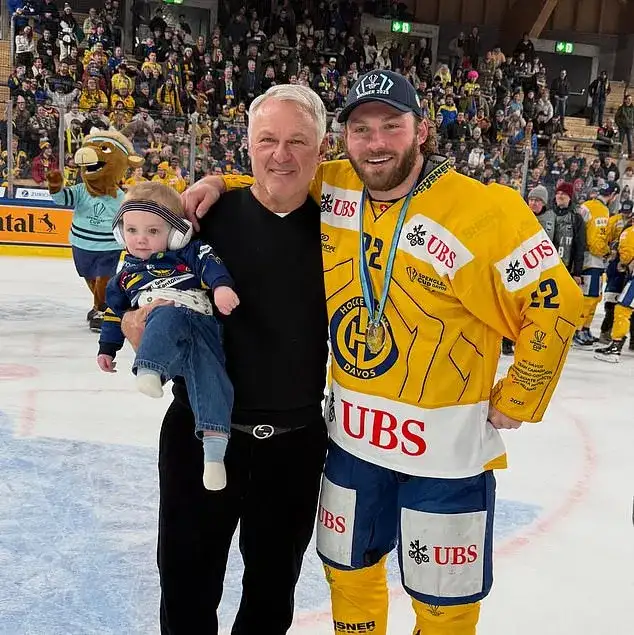
Another deeply distressing factor was a years-long estrangement from his children. This familial disconnect was a source of considerable pain for Lemieux, according to those who knew him well. The news emerged as his son, Brendan Lemieux, a professional ice hockey player himself, posted an emotional tribute on Instagram, sharing a recent photo with his father and his own son, Luc. The message, accompanied by an image of Lemieux beaming while holding his grandson, read: "Love you big man. We will see you."
Read More: India IVF Costs And Social Barriers Limit Access In April 2026
GLIMPSES OF STRUGGLE AND SUDDEN LOSS
Those who last spoke with Lemieux noted subtle signs that, in retrospect, may have been warning signs. Maguire, identified as one of the last people to speak with Lemieux, shared that while Lemieux's clients may not have perceived his distress, his inner world appeared troubled. Another friend, Rejean Tremblay, a Montreal hockey columnist who had known Lemieux for three decades, echoed these sentiments, suggesting that Lemieux "took it very hard."
Lemieux's former agent, Frederik Andersen, a goaltender for the Carolina Hurricanes, struggled to contain his emotions after a recent game, describing Lemieux as "like family" and possessing "the biggest heart." These accounts paint a portrait of a man grappling with profound personal issues, even as he remained an active figure in the hockey world.
A CAREER OF CONTRASTS
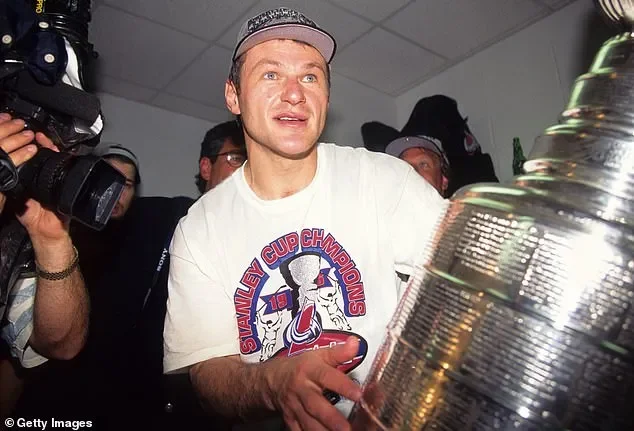
Lemieux's NHL career, spanning 21 seasons, was marked by both immense success and notorious controversy. A four-time Stanley Cup champion with the Montreal Canadiens, New Jersey Devils, and Colorado Avalanche, he was also a significant penalty minute accumulator, reflecting his aggressive style. His playoff prowess was undeniable, with his 80 career playoff goals ranking ninth all-time in NHL history.
Read More: England World Cup Match: Pubs Open Until 5 AM Monday
Following his playing career, Lemieux transitioned into player representation, notably serving as an agent for several NHL players, including Frederik Andersen. The family has announced that Lemieux's brain will be donated to Boston University's CTE Center for research.