


Consumers eyeing discounted smartphones, particularly during sales events like Black Friday, face a landscape where "deal" and "trash" can be dangerously close. For those considering these budget options, a sharp eye for key indicators is paramount to avoid buyer's remorse.
The primary indicators of a potentially worthwhile cheap phone revolve around software longevity, camera capabilities, and battery performance, while a critical red flag for used devices is an inconsistent IMEI number.

Software Updates: A Glimpse into Future Viability
While many budget phones may seem attractive initially, their long-term utility is often dictated by software and security updates. Samsung's Galaxy A series and Google's Pixel A models have been noted for offering extended update commitments, with Samsung promising six years and Google seven for their budget lines. This contrasts sharply with many lower-priced devices that might offer scant support, rendering them vulnerable to security threats and outdated software well before their time. Even older models, one or two years into their lifecycle, should ideally still offer a few years of active protection against vulnerabilities.
Read More: Chrome mimeHandler API lets extensions handle file types
Performance and Usability: Beyond the Price Tag
Beyond software, practical performance matters. Buyers seeking affordable phones, especially those with large batteries intended for all-day use, must scrutinize charging speeds to ensure they can keep pace with the battery capacity. Spending money on a device that offers a meager lifespan or painfully slow charging, even if cheap, represents poor value when considering its potential use beyond a year.

The Used Phone Question: IMEI as an Unwavering Identifier
For those venturing into the used market, a critical verification step involves the IMEI (International Mobile Equipment Identity) number. Dialing *#06# on a phone displays its IMEI, which should precisely match the number found on the device's packaging and within its settings, and ideally, verify cleanly online. Mismatched IMEI numbers on a consumer device are a significant warning sign, suggesting the phone may be unusable on carrier networks or have other issues. A proper receipt with seller identification also adds a layer of security in these transactions.
Read More: Carrot Extract Tricks Fake Ghee Tests in New Study
Off-Brand Appeal: Niche Features vs. Mainstream Performance
The market also features "off-brand" phones that, while often unknown, can present compelling options. These devices frequently undercut mainstream competitors on price and may offer unique, niche features not found on more common models. If these specific functionalities align with a user's particular needs, these less-heralded devices can be a worthwhile consideration, offering more features for a lower cost.
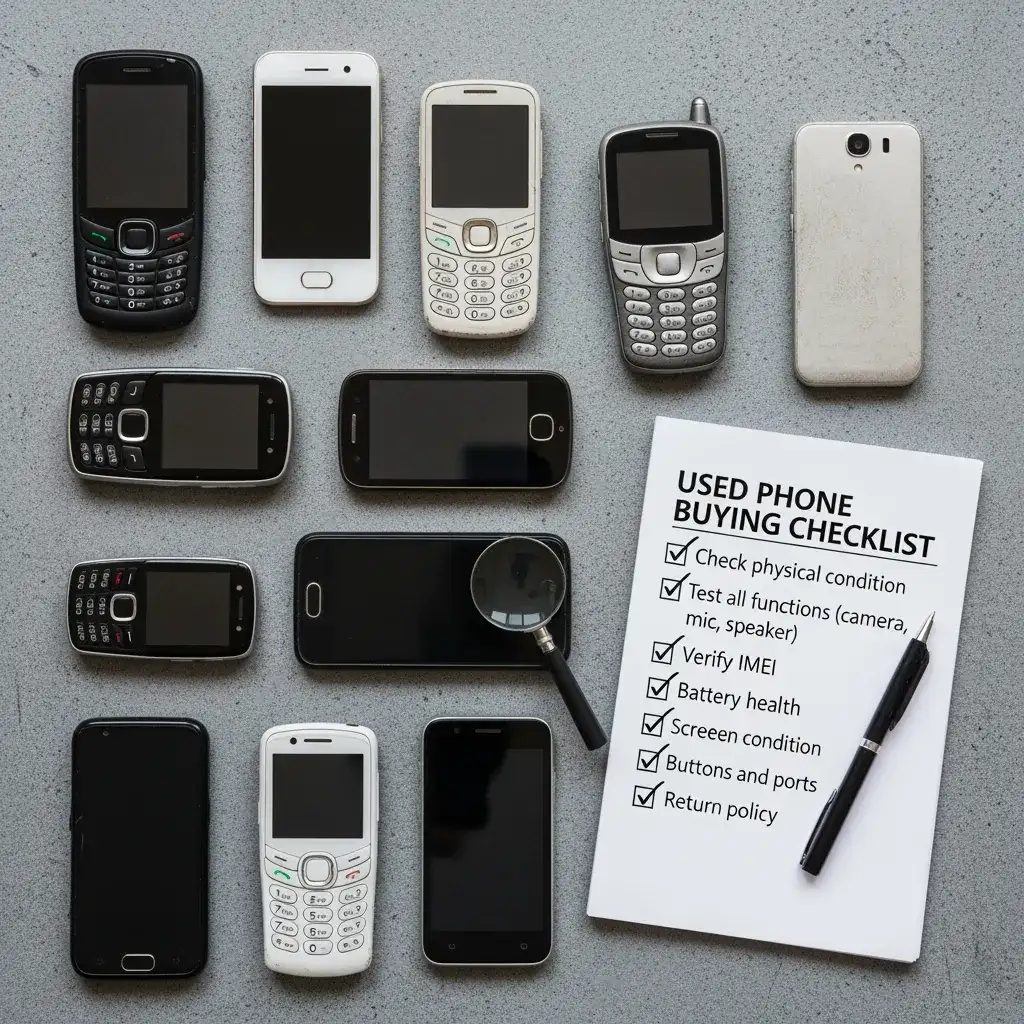
Background: Navigating the Discounted Device Landscape
The allure of discounted phones, particularly around major shopping periods, is undeniable. However, this marketplace is not without its pitfalls. Many heavily discounted devices, especially those at the lower end of the price spectrum, are known to make compromises. These compromises can manifest in several ways:
Camera Quality: Often the first casualty of cost-cutting, leading to subpar image capture.
Software Support: Limited or non-existent updates leave devices exposed to security risks and performance degradation.
Battery and Charging: Inadequate charging speeds can negate the benefits of even a large battery, frustrating daily use.
Hardware Integrity (Used Market): Without proper checks, buyers risk acquiring devices with undisclosed issues or even those flagged for theft or network incompatibility.
The pursuit of a bargain requires diligence. Consumers are advised to investigate reviews for older models, check battery and charging specifications meticulously, and, in the case of used devices, perform thorough IMEI verification. While some off-brand or older discounted phones can indeed be good value, a failure to scrutinize can turn a supposed deal into an expensive mistake.
Read More: BEREC Asks for Mobile Network API Ideas from Developers




