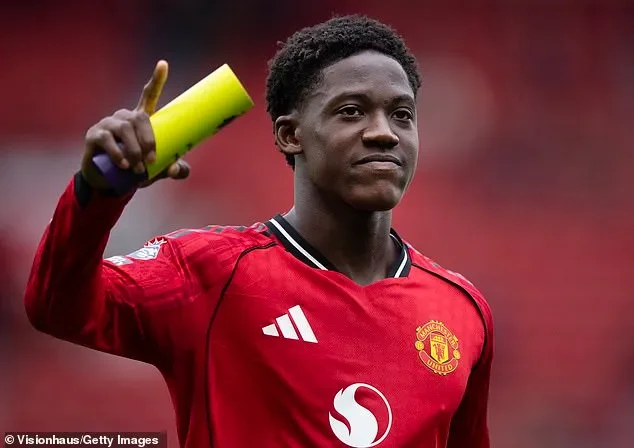
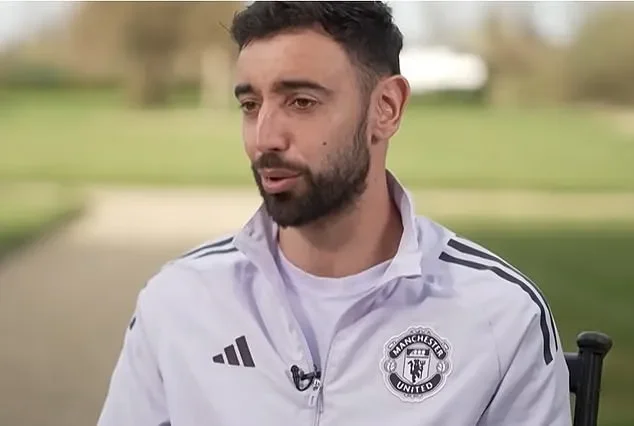
The hallowed grounds of Old Trafford are once again a hotbed of speculation and subtle shifts. As Michael Carrick, the interim manager, orchestrates a promising start to his tenure, a peculiar confluence of events is unfolding. Reports suggest a new rule has been implemented, seemingly at odds with previous managerial dictates, while simultaneously, whispers of Scott McTominay's potential return to Manchester United are growing louder. Are these independent adjustments, or are they threads in a larger tapestry being woven by Carrick, signaling a fundamental change in how the club operates, and for whom?
The Ghost of Past Regimes: Amorim's Shadow and Carrick's Fresh Start
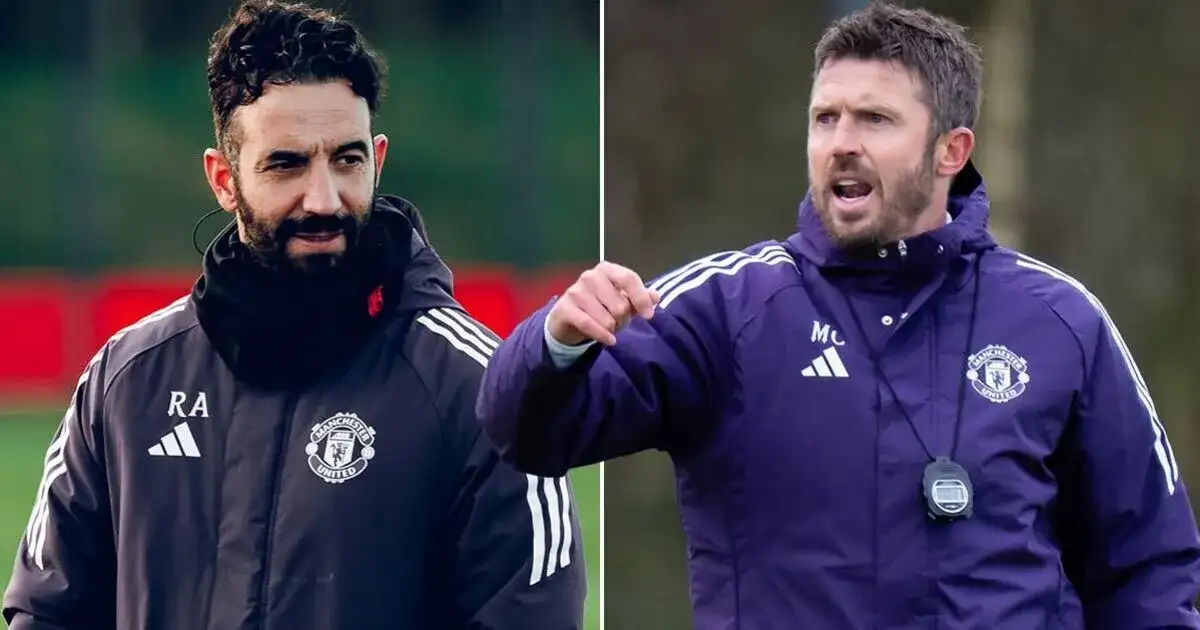
The narrative of managerial change at Manchester United has been a tumultuous one. Before Carrick's arrival, Ruben Amorim held the reins, attempting to imprint his tactical vision upon the squad. However, his tenure was reportedly short-lived and marked by clashes, particularly over transfer strategies and a perceived rigidity. Amorim, it's reported, had implemented his own set of strictures:
Read More: Man Utd Stalls Lewis Hall Transfer to Prioritize Midfield Signings
No treating international breaks as extended holidays: Players were expected to remain focused.
Prohibition of food in the dressing room on matchdays: A focus on pre-match preparation.
Discouraging coaches from over-complicating instructions: A push for clarity and directness.
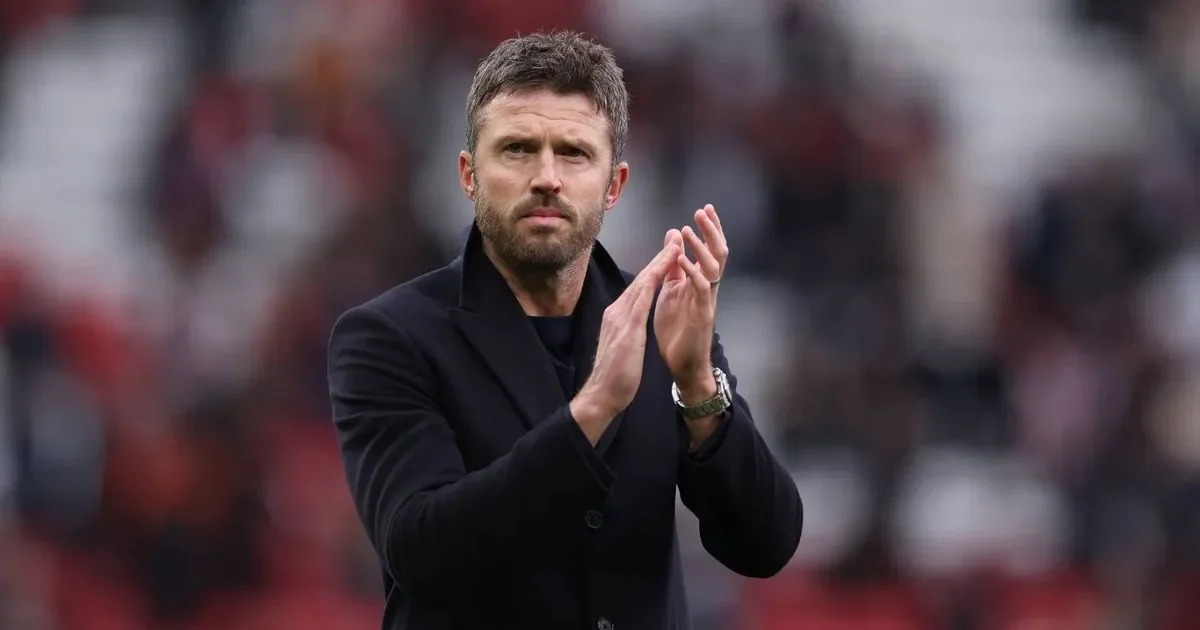
These "bans," as they've been termed, were part of Amorim's attempt to instill discipline and a specific playing style. However, his efforts appear to have fallen short, leading to his dismissal after a mere 14 months. This backdrop is crucial when examining Carrick's subsequent actions. Reports from January 2026 indicate that Carrick has scrapped at least one of Amorim's ideas, ushering in his own brand of management. The Mirror and Manchester Evening News (MEN) highlight this contrast, with MEN noting Carrick's immediate introduction of a new rule that directly contradicts Amorim's previous stance on player time off.

"Michael Carrick has wasted no time introducing a new rule at Manchester United after Ruben Amorim 'banned' three things at Old Trafford." (Manchester Evening News, Jan 20, 2026)
This suggests a decisive break from the immediate past, a clear signal that Carrick is not simply continuing a predecessor's work but actively redefining the club's operational protocols. But what exactly is this new rule, and why is it so significant?
Read More: Mainoo considered leaving Man Utd due to lack of game time under Amorim
The Unveiling of Carrick's "Rule Change" and the McTominay Paradox
The nature of Carrick's "rule change" itself is presented with a degree of ambiguity that fuels further questions. While some reports, like those from MEN and Express, point to the dismantling of Amorim's plans, others, from the Mirror and BritBrief, focus on a more general "rule change" without explicitly detailing its specifics. One consistent theme, however, is the timing of this adjustment: it coincides with a period of significant positive momentum for Carrick's United, marked by a promising start and a series of wins.
The intriguing aspect is how this internal shift appears to be intricately linked with speculation surrounding Scott McTominay. McTominay, a long-standing academy product and a familiar face at Old Trafford, is now being discussed in terms of a potential return. This isn't a straightforward transfer; it's framed as a "reunion," hinting at a possible scenario where a player who might have been on the fringes or even considered for a move away could now find a renewed pathway.
Read More: FIFA Moves Mexico vs England Match 6 Hours Earlier
| Managerial Figure | Previous Stance (Reported) | Carrick's Current Action (Reported) | Implication for Player Movement |
|---|---|---|---|
| Ruben Amorim | Strict international break policy, limited player downtime. | Scrapping Amorim's ideas; potentially granting more player freedom/downtime. | Opens door for players seeking flexibility; may impact squad harmony. |
| Erik ten Hag | Had his own strict set of rules (details unspecified). | Implementing new protocols distinct from Amorim's, and potentially Ten Hag's. | Indicates a shift in managerial philosophy; could influence player retention/acquisition. |
| Michael Carrick | Unknown prior to interim role. | Implementing "rule changes," granting potential flexibility. | Appears to create opportunities for players, including potentially McTominay. |
The core question is: Does this new rule, whatever its exact parameters, create an environment more conducive to McTominay's potential return, or is the transfer speculation merely a coincidence that highlights the shift? If the rule involves more flexibility, especially around international breaks or player commitments, could it make a move back to Manchester United more attractive for a player like McTominay, who might have been seeking a different club environment?
A History of Returns: The Scarring of Rekindled Romances
Manchester United's recent history with bringing back former players has, by all accounts, been a mixed bag, often leaning towards the disappointing. The Mirror subtly points this out: "Recent examples of players returning to Old Trafford after long stints away haven't fallen in their favour over recent years." This cautionary note is crucial.
Consider the high-profile returns:
Paul Pogba: A world-record signing, his second spell was characterized by flashes of brilliance interspersed with periods of inconsistency and eventual departure.
Cristiano Ronaldo: His sensational return brought immediate goalscoring impact, but the relationship ultimately soured, leading to a controversial exit.
These instances highlight the inherent risks and complexities of "reunions" at elite clubs. The pressure, the expectations, and the evolution of both the player and the club can create an environment that's difficult to navigate.
Read More: Michael Carrick Likely New Manchester United Manager After Great Results
"Recent examples of players returning to Old Trafford after long stints away haven't fallen in their favour over recent years." (Mirror, 5 hours ago)
This statement serves as a subtle warning. If Carrick is indeed paving the way for a McTominay return, it must be based on more than just nostalgia or a perceived loophole in a rule. It suggests a deeper strategic consideration. What has changed in McTominay's circumstances, or Manchester United's needs, that makes a repeat of past return sagas less likely? Is it Carrick's specific management style, his understanding of the squad dynamics, or perhaps a more targeted role envisioned for the midfielder?
Carrick's Philosophy: Beyond Rules to Tactical Acumen
Beyond the minutiae of rule changes, the underlying narrative is Carrick's attempt to imprint his "philosophy" onto the team. His initial success, with three consecutive wins, has not gone unnoticed. Ben Foster, a former teammate, has even suggested that Carrick could be a candidate for the permanent manager role should his success continue.
Read More: England vs Mexico World Cup Match Kick-off Time Unchanged Despite Weather
The articles highlight that Carrick has:
Dismantled Ruben Amorim's rigid 3-4-3 system: This indicates a clear rejection of the previous tactical framework.
Restored academy product Kobbie Mainoo to the starting lineup: A move that emphasizes trust in emerging talent and perhaps a more fluid, possession-based approach.
This suggests that Carrick's impact is multifaceted:

Tactical Reset: Moving away from potentially rigid systems towards something more adaptable.
Player Empowerment: Creating an environment where players feel more valued and their contributions are better integrated.
Strategic Vision: Whether it's temporary or permanent, Carrick is actively shaping the team's identity.
The question then becomes: How does Scott McTominay fit into this evolving tactical and philosophical landscape? Is he seen as a player who can thrive in a more flexible system, or does his potential return signal a different kind of strategic ambition, perhaps related to squad depth, competition, or a specific player profile Carrick believes is essential?
Conclusion: Navigating the Shifting Currents at Old Trafford
The current situation at Manchester United, under Michael Carrick's interim stewardship, is a fascinating study in transition. The implementation of a new rule, seemingly a departure from his predecessor Ruben Amorim's strictures, coupled with the intriguing possibility of Scott McTominay's return, raises significant questions.
What are the precise details of Carrick's new rule, and how does it benefit the current squad?
Is McTominay's potential return a strategic recruitment driven by Carrick's vision, or a reactive measure?
How does this shift in rules and potential player movement align with the club's long-term vision, especially in light of past unsuccessful returns?
The club's history with returning players, marred by mixed fortunes, adds a layer of caution to any narrative of rekindled partnerships. Carrick's early success and his apparent willingness to deviate from established protocols suggest a manager carving his own path. Whether this path leads to sustained triumph, a successful integration of players like McTominay, or merely another chapter in Manchester United's ongoing managerial saga remains to be seen. The winds of change are blowing at Old Trafford, and the ultimate destination is still shrouded in the mist of ongoing speculation.
Read More: Solskjaer's 32 Points Beat Carrick's Record in 2026