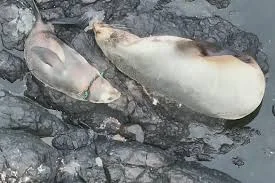
CAPE TOWN, SOUTH AFRICA — Marine teams in South Africa are actively disentangling Cape fur seals from plastic debris, a growing peril for the species and an indicator of broader ocean health. The Two Oceans Aquarium Foundation’s Marine Wildlife Management Programme (MWMP) is at the forefront of these rescue efforts, confronting a tangible threat that ensnares the animals and hinders their vital role in the ecosystem.

These seals, an estimated two million strong along Southern Africa's coasts, serve as barometers for the marine environment. Their entanglement in plastic, particularly debris originating from commercial fishing, highlights a direct human-wildlife conflict. Martine Viljoen of the MWMP notes that seals "help balance everything out from being a prey source to being a predator themselves." Their compromised state, she adds, "indicate how the health of the ocean is doing and they give us a valuable insight how the bigger picture of our ocean health."
Read More: Amazon Land Use Changes Cause Disease Clusters in Brazil
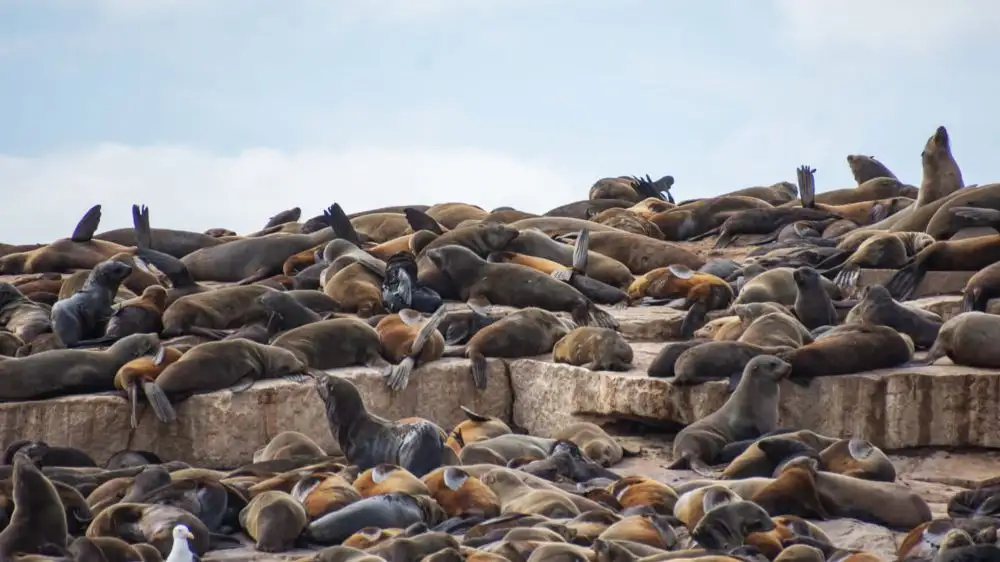
The work of the MWMP extends beyond immediate rescues. By intervening in situations seals cannot escape on their own, the program not only saves individual animals but also gathers crucial data. This data provides insights into the severity and sources of marine pollution, underscoring the interconnectedness of animal welfare and environmental integrity. The seals, often seen near urban waterfronts, inadvertently act as messengers, carrying back "this message of what's happening out there" in the wider ocean.
Once a hunted species, Cape fur seals are now protected in South Africa. However, their recovery is now challenged by contemporary issues like climate change, disease, and the persistent problem of plastic waste. The presence of these animals in areas like Cape Town's V&A Waterfront, while often observed by the public, also serves as a stark reminder of the pervasive impact of plastic pollution on urban wildlife and coastal communities that depend on clean waterways for tourism and other industries. The urgent actions taken by these marine teams are thus not only for the seals' survival but also for the vitality of the marine ecosystems they inhabit.
Read More: New Off-Grid Solar EV Charger in South Africa Starts Helping Drivers