Monkeyflower Shows Rapid Adaptation to Extreme Drought
In a documented instance of rapid evolution, the scarlet monkeyflower (Mimulus cardinalis) has demonstrated an ability to rebound from severe drought conditions, offering insights into how some plant species might cope with changing climates. Researchers observed that populations of this wild California wildflower, when faced with extreme dry spells, either dwindled significantly or faced local extinction. However, certain populations managed to recover, a phenomenon attributed to rapid genetic shifts. This "evolutionary rescue" appears dependent on pre-existing genetic variation within the plant populations and the presence of enough surviving individuals for natural selection to act upon.
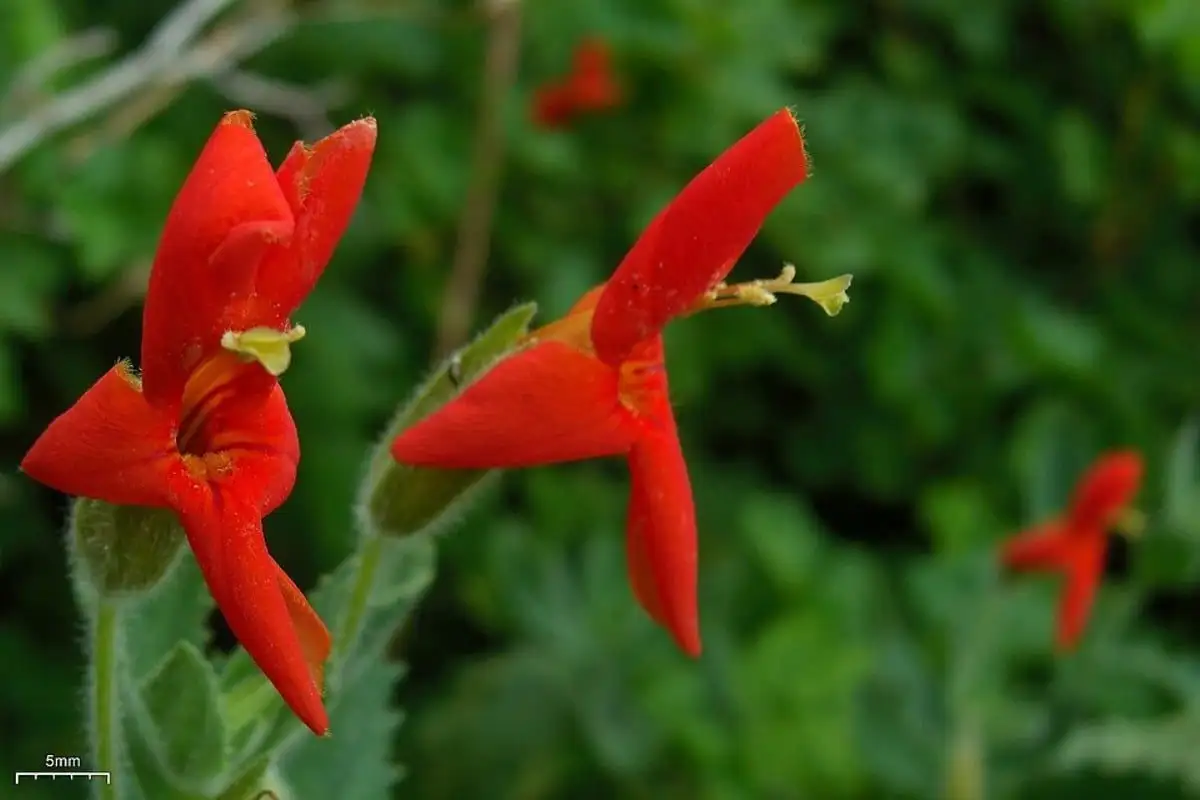
Analysis of genetic data from dozens of populations, comparing pre-drought and post-drought samples, identified approximately 200 genetic markers linked to climate resilience. These markers became more common in the monkeyflower populations that successfully rebounded after the drought. The study, published on March 12, 2026, in Science, combined long-term field monitoring with whole-genome sequencing. Populations exhibiting the greatest increase in these climate-adapted genetic variants showed the quickest recovery.
Read More: Amazon Land Use Changes Cause Disease Clusters in Brazil
Underlying Mechanisms and Limitations
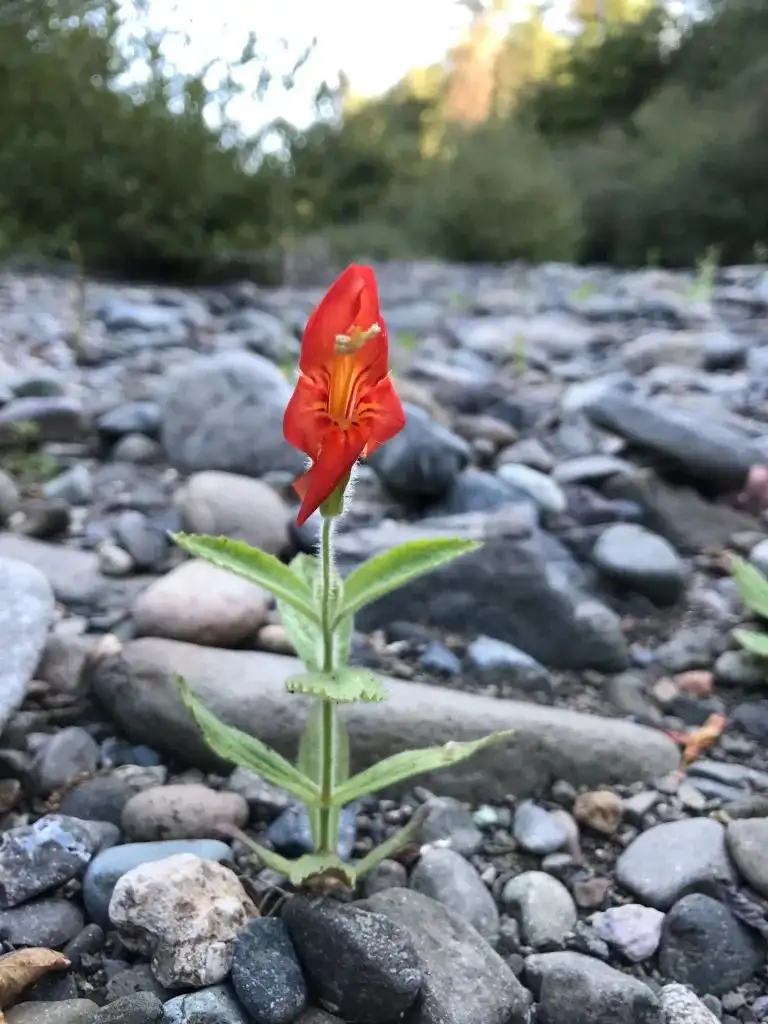
The recovery of the scarlet monkeyflower hinges on the presence of "standing genetic variation" – genetic differences already present within the population that are relevant to climate conditions. When environmental stress, such as prolonged drought, intensifies, natural selection favors individuals carrying these adaptive genes. This allows for a faster evolutionary response than previously assumed for many species. Researchers noted that populations with higher genetic diversity were more likely to adapt and recover from the drought.

However, scientists stress that this "evolutionary rescue" is not a universal guarantee. Its success is contingent on the availability of sufficient pre-existing adaptive genetic material and a viable number of surviving individuals. For plant populations where genetic surveys indicate a lack of this adaptive variation, targeted intervention or conservation efforts may be necessary.
Read More: University of La Verne 2026 admissions and rankings update
Broader Implications and Context
This finding is significant as it provides a concrete example of evolutionary rescue occurring in the wild, demonstrating that some plant species possess a surprising capacity to adapt quickly to environmental challenges. The scarlet monkeyflower's resilience offers a potential model for understanding how other wild plant populations might navigate the pressures of climate change. The research was conducted by a team including scientists from Cornell University, utilizing stored leaf and seed samples as a "natural time capsule" to track evolutionary changes.