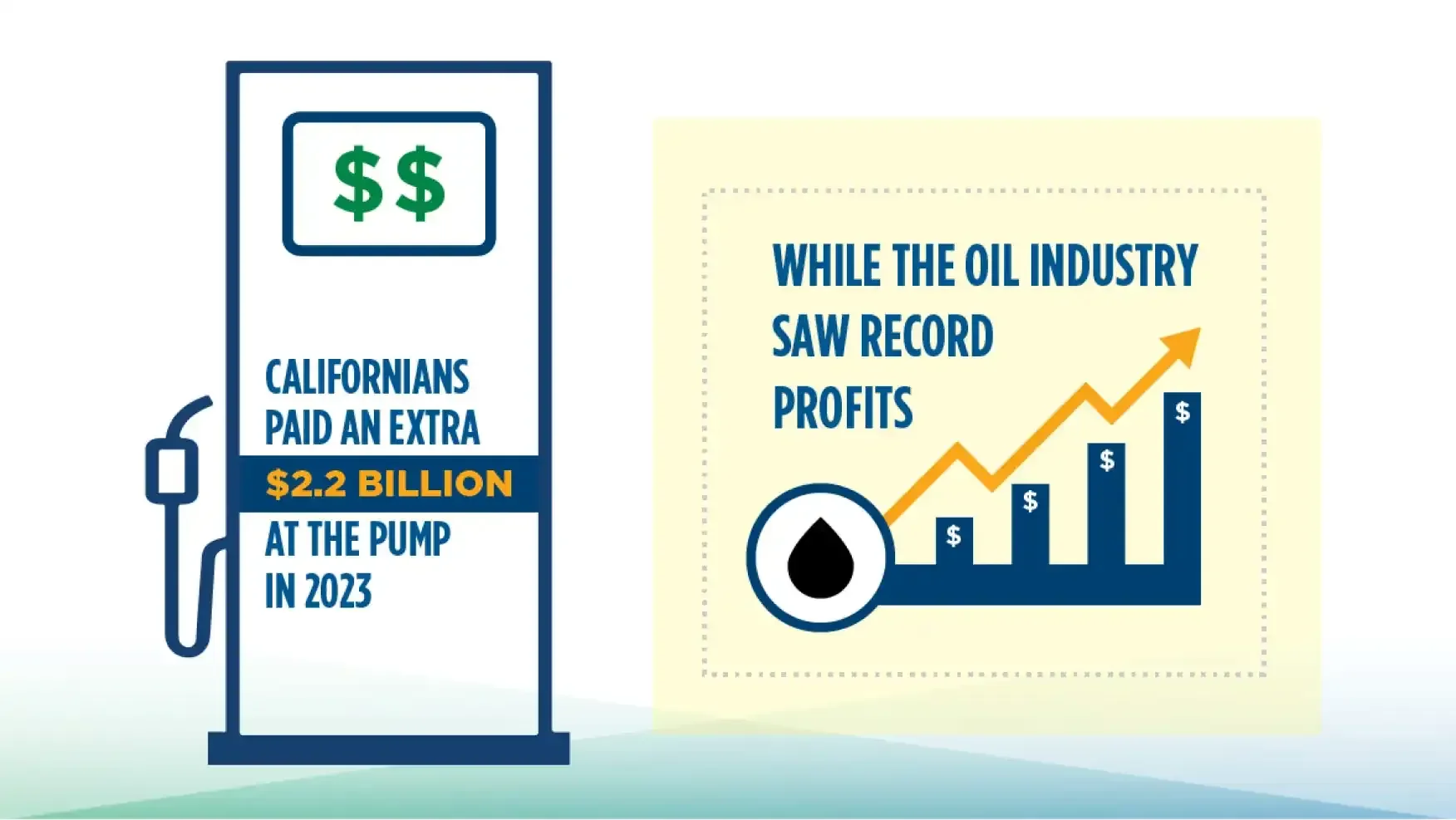
California motorists currently contend with the highest retail fuel prices in the United States. While political rhetoric frequently invokes the narrative of "price gouging," official investigations have repeatedly failed to produce evidence of coordinated market manipulation by petroleum entities.

The divergence between California’s pump prices and the national average is rooted in structural constraints rather than illicit profiteering. California operates as an isolated energy island, defined by a specific, environmentally mandated fuel formulation that few external refineries possess the capability or economic incentive to produce.

The Mechanics of Isolation
The state's reliance on a localized supply chain creates an asymmetrical sensitivity to disruption. When local refinery output falters, the market lacks the fluid connectivity enjoyed by other regions.
| Factor | Impact on Pricing |
|---|---|
| Environmental Standards | Requires a unique, expensive gasoline blend. |
| Logistics | Absence of inbound crude pipelines. |
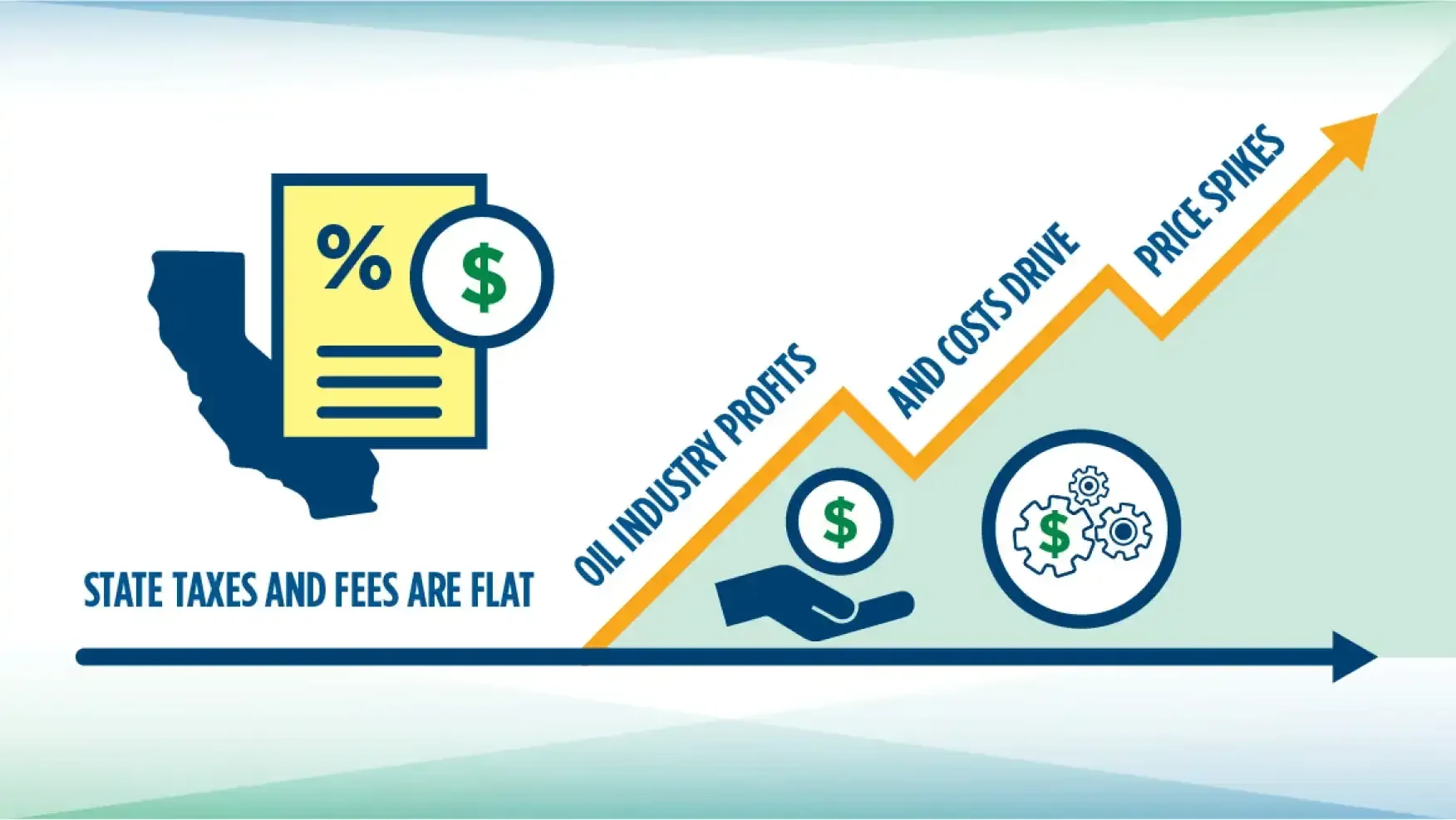
| Fiscal Policy | Highest state-level gasoline taxes and fees. |
| Market Density | Lower station density reduces price visibility and competition. |
Regulatory Friction and Market Realities
The persistence of the "gouging" narrative serves as a political proxy for broader frustration, yet the economic reality is more granular. Experts point to the "gas surcharge"—a structural component that accounts for over a dollar of the price per gallon—as a manifestation of regulatory costs, environmental compliance, and thin supply margins.
Read More: Goldman Sachs predicts 15 million US jobs lost to AI by 2036
Because California mandates a unique fuel recipe, the state cannot easily import supply from neighboring markets to buffer against outages. This dependency necessitates reliance on in-state refineries, which function at high capacity but are vulnerable to maintenance shutdowns. When these facilities go offline, the supply-demand imbalance manifests immediately in wholesale prices, which are then passed to the consumer.
Investigative Context
While some advocacy groups, such as Consumer Watchdog, interpret the widening gap between national and California prices as evidence of hidden manipulation, regulators have tempered these claims. Attempts to impose profit caps on refiners have been deferred due to concerns regarding future supply shortages.
The data suggests that the state’s energy ecosystem is caught in a feedback loop: stringent environmental goals necessitate specialized fuels, which increase operational complexity, reduce the pool of suppliers, and leave the market susceptible to price volatility. In this configuration, "price" is not a product of simple supply and demand, but a reflection of the cumulative policy choices and geographical isolation embedded in the California energy market.
Read More: University of La Verne 2026 admissions and rankings update