

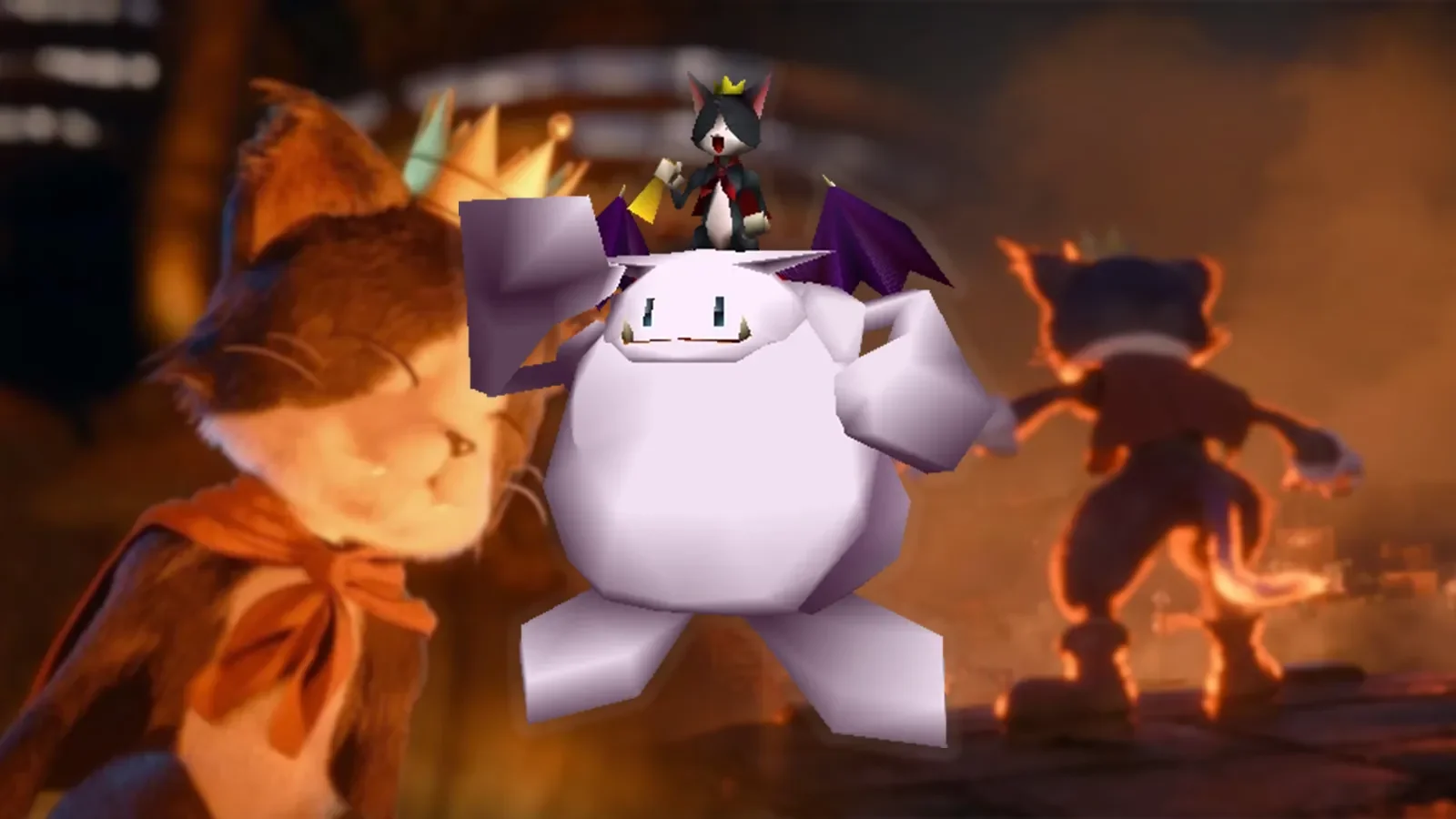
The character Cait Sith continues to function as a point of sharp friction within the Final Fantasy VII player base. While recent iterations in Final Fantasy VII Rebirth have attempted to reframe the character through enhanced narrative integration and expanded playability, a significant portion of the audience remains hostile toward his mechanics and inclusion.
The core tension lies in the design of the Chapter 11 Shinra Manor sequence, which forces players into prolonged, repetitive box-tossing puzzles that have drawn widespread criticism for poor pacing.
Structural Comparison: Legacy vs. Modern Integration
| Element | Original Final Fantasy VII | Final Fantasy VII Rebirth |
|---|---|---|
| Narrative Role | Abrupt inclusion; polarizing betrayal | Integrated; subplot removal (Marlene) |
| Combat Style | RNG-based limitations | Playable; divisive, cumbersome movement |
| Reception | Viewed as a "dud" | Divided; praised for charm, loathed for "filler" |
Points of Contention
Gameplay Friction: The mandatory Chapter 11 puzzle section is frequently cited by critics as a design flaw that interrupts the game's momentum. This aligns with a broader industry pattern where developers insert experimental or tedious minigames into high-budget projects, often to the detriment of the core experience.
Narrative Cleanup: By omitting the controversial subplot in which the character kidnaps a child, the developers have successfully softened the character’s perceived malice. Despite this, the move from an NPC role to a full party member has polarized fans, with some finding the new, more visible presence of the character refreshing, while others maintain their historical dislike.
Technical Debates: Peripheral discussions regarding the pronunciation of the character’s name—though arguably trivial—served to highlight how long-standing ambiguity in the franchise's history can manifest as a lightning rod for community friction.
Contextual Background
The character of Cait Sith has functioned as an anomaly since the 1997 original release. As a JRPG trope—a whimsical, non-human companion—he has consistently challenged the more somber aesthetic of the Final Fantasy VII world. The release of the Remake trilogy prompted an intense period of re-evaluation, as the developers opted to make him a fully controllable unit, replacing roles previously held by fan-favorites like Vincent Valentine and Cid Highwind during that phase of the game. The result is a fractured consensus: a character deemed "redeemed" by narrative shifts but held back by mechanical filler that continues to trigger community frustration.
Read More: Street Fighter 6 Year 4 Pass adds Tifa and 3 new fighters in 2026


/content/opengraph/MTG-Top-10-Best-Commander-Cards-From-Magic-The-Gathering-Marvel-Super-Heroes-MSC-MSH.png)

:max_bytes(150000):strip_icc():focal(799x0:801x2)/nyc-sky-taylor-swift-travis-kelce-wedding-070326-2dc0d912004b400eac2c8c8b5adeff2a.jpg)